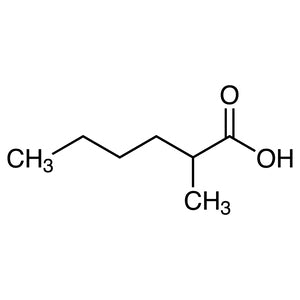
2-Methylhexanoic Acid is a chemical compound widely used in laboratory settings for the synthesis of complex organic molecules. As a carboxylic acid, it plays a crucial role in various chemical reactions, including esterification, reduction, and reactions with bases. This compound is commonly utilized as a building block in organic chemistry, enabling the creation of compounds with specific molecular structures. Its versatility makes it an essential reagent for chemists working on synthetic pathways and structural modifications.
The unique molecular structure of 2-Methylhexanoic Acid, featuring a long carbon chain with a branch at the second carbon position, contributes to its effectiveness in chemical synthesis. This structural feature allows for the introduction of functional groups in a controlled manner, making it suitable for a wide range of reactions. Additionally, its solubility in organic solvents such as ethyl acetate and ethanol enhances its usability in laboratory processes. These properties make it a preferred choice for researchers aiming to develop new compounds or modify existing ones.
In Indonesian laboratories, 2-Methylhexanoic Acid is frequently used in organic chemistry research, chemical development, and the synthesis of complex compounds. Its availability and reliability make it a popular choice among scientists and researchers working on projects that require precise chemical building blocks. The compound’s role in enabling the creation of new materials and compounds underscores its importance in both academic and industrial research environments.
- Organic synthesis projects benefit from 2-Methylhexanoic Acid due to its ability to participate in esterification and reduction reactions, enabling the creation of complex molecular structures.
- Chemical development initiatives often utilize this compound as a building block for designing new synthetic pathways and functionalized molecules.
- Research in structural chemistry relies on 2-Methylhexanoic Acid to modify existing compounds and introduce specific functional groups in a controlled manner.
- Industrial applications in the production of specialty chemicals frequently incorporate this acid for its reactivity and structural versatility.
- Analytical chemistry laboratories use it as a standard reference material for testing and calibrating equipment in organic compound analysis.
| Brand | TCI |
|---|---|
| CAS number | 4536-23-6 |
| Molecular formula | — |
| Purity | — |
| Category | Chemistry > Building Blocks > Non-Heterocyclic Building Blocks |
| Pack sizes | Available in various quantities as per standard laboratory supply |
| Physical form | Solid or liquid, depending on the specific product variant |
| Storage | Store in a cool, dry place away from direct sunlight and moisture |
2-Methylhexanoic Acid should be stored in a cool, dry environment to maintain its chemical integrity. It is recommended to keep the compound in a sealed container to prevent exposure to moisture and air. Suitable containers include glass or high-density polyethylene bottles to ensure chemical stability. Laboratory personnel should handle the compound with care, using appropriate personal protective equipment such as gloves and safety goggles. It is important to avoid contact with skin and eyes, and to ensure proper ventilation when working with this material. Storage conditions should be controlled to prevent degradation and ensure long-term usability in research applications.
—
Produk Terkait
-
TCI B5774 5,10-Bis(4,4,5,5-tetramethyl-1,3,2-dioxaborolan-2-yl)naphtho[1,2-c:5,6-c']bis([1,2,5]oxadiazole)
Regular price Rp 10.255.350,00Regular price -
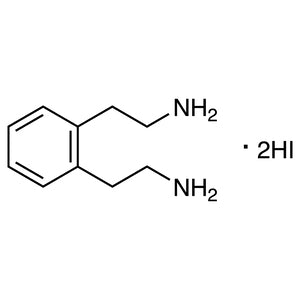
Dihydroiodide TCI B6569
Regular price From Rp 1.936.200,00Regular price -
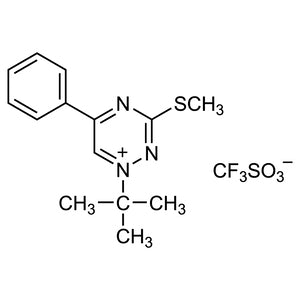
Trifluoromethanesulfonate TCI B7003
Regular price From Rp 1.936.200,00Regular price
![5,10-Bis(4,4,5,5-tetramethyl-1,3,2-dioxaborolan-2-yl)naphtho[1,2-c:5,6-c']bis([1,2,5]oxadiazole) - TCI B5774 - AMI Scientific](http://amiscientific.com/cdn/shop/files/TCI2510B5774.jpg?v=1769180228&width=533)