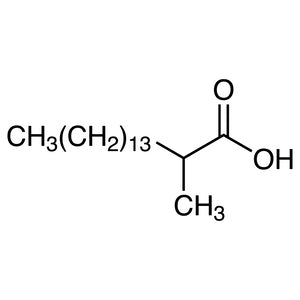
TCI M1026 2-Methylhexadecanoic Acid is a branched long-chain fatty acid carrying a methyl group at the alpha position relative to the carboxyl group, and it is classified as a non-heterocyclic building block. Unlike the straight-chain fatty acids more commonly encountered in the laboratory, branching at the alpha position alters both the physical behaviour of the molecule and the way it is broken down biologically. In practical work the compound serves as a reference material and as a starting material in lipid research, particularly for studies of branched-chain fatty acids, the preparation of analytical standards, and the synthesis of long-chain ester and amide derivatives used in biochemical and materials research.
The property that makes this compound a preferred choice is the combination of a long, strongly hydrophobic hydrocarbon chain with a polar carboxylate head group, together with a methyl branch that disrupts the regular packing of the chain. This disruption of order influences how the molecules pack in monolayers and in model membranes, which makes the compound useful for examining how branching affects the phase properties of lipids. The carboxylate group is readily converted into a methyl ester for gas chromatographic analysis, or into an amide or an acid chloride for further synthetic work, so a single material supports both analytical and preparative routes.
In Indonesian laboratories this compound is typically used in university and institutional research groups working on lipid chemistry, biochemistry, and materials science, as well as in analytical laboratories preparing in-house reference materials for chromatographic methods. It is generally purchased in small research quantities rather than bulk, ordered together with related fatty acid standards and derivatisation reagents, and handled as part of routine organic synthesis and lipid analysis workflows in method development and academic research.
- Branched-chain fatty acid research: used as a defined alpha-methyl branched substrate for studying how methyl branching changes the physical behaviour and biological breakdown of long-chain fatty acids.
- Analytical standard preparation: serves as a reference material for building in-house chromatographic standards, allowing laboratories to identify and confirm branched fatty acid peaks against a known compound.
- Gas chromatographic analysis: the carboxyl group is readily converted to the corresponding methyl ester, giving a volatile derivative well suited to routine GC separation and detection work.
- Ester and amide synthesis: acts as a long-chain starting material for preparing ester, amide, and acid chloride derivatives used in downstream biochemical and materials research programmes.
- Model membrane and monolayer studies: the methyl branch disrupts regular chain packing, making the compound useful for examining how branching influences lipid phase behaviour and monolayer organisation.
| Brand | TCI |
|---|---|
| CAS number | 27147-71-3 |
| Molecular formula | — |
| Purity | — |
| Category | Chemistry > Building Blocks > Non-Heterocyclic Building Blocks |
| Pack sizes | available in research-scale pack sizes; please refer to the current product listing for the options offered |
| Physical form | — |
| Storage | store in a cool, dry place in a tightly closed container, away from light and incompatible materials |
- Product code: M1026
Store the container tightly closed in a cool, dry, and well-ventilated area, protected from direct sunlight, moisture, and sources of ignition, and keep it separated from strong oxidising agents and strong bases. Original manufacturer packaging or chemically resistant glass containers with well-sealing caps are suitable; label all secondary containers clearly with the compound name and CAS number. Handle the material in a fume hood where dust or vapour may be generated, and wear a laboratory coat, safety glasses, and chemically resistant gloves. Allow refrigerated containers to reach room temperature before opening to prevent moisture condensation, and always consult the manufacturer's safety data sheet before use.
—
Produk Terkait
-
3-MethylhexylAcetate TCI A1396
Regular price Rp 1.298.850,00Regular price -
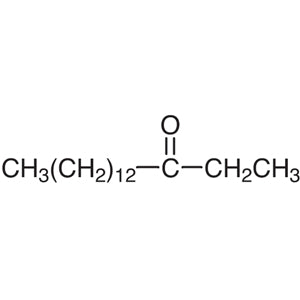
3-Hexadecanone TCI H0565
Regular price From Rp 3.260.250,00Regular price -
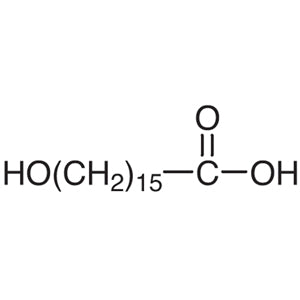
16-HydroxyhexadecanoicAcid TCI H0675
Regular price From Rp 2.041.200,00Regular price -
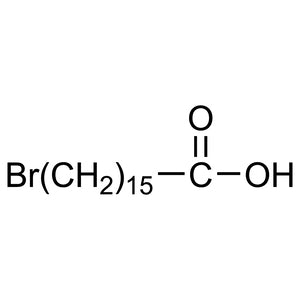
16-BromohexadecanoicAcid TCI B6915
Regular price From Rp 1.378.650,00Regular price -
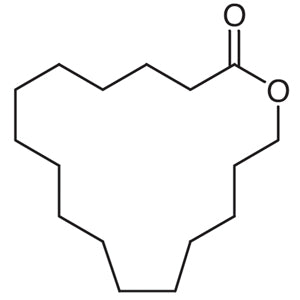
16-Hexadecanolide TCI H1219
Regular price From Rp 2.016.000,00Regular price -
NonadecanoicAcid TCI N0283
Regular price From Rp 3.155.250,00Regular price -
1-Bromo-2-methylhexadecane TCI B1456
Regular price Rp 5.644.800,00Regular price -
UndecanoicAcid TCI U0004
Regular price From Rp 955.500,00Regular price