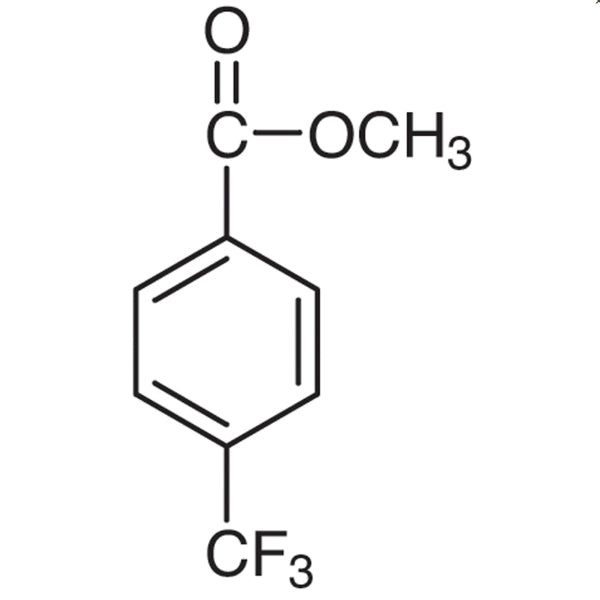
Methyl 4-(Trifluoromethyl)benzoate is a chemical compound widely used as a building block in the synthesis of complex organic molecules. This compound plays a crucial role in laboratory settings, where it serves as a versatile reagent for creating fluorinated compounds with specific functional properties. Its molecular structure includes a trifluoromethyl group, which imparts unique chemical behavior and reactivity. This makes it a valuable tool for researchers aiming to develop new materials, pharmaceuticals, and chemical intermediates.
The compound's high polarity and reactivity make it a preferred choice in organic chemistry research. The presence of fluorine atoms, which are highly electronegative, enhances its ability to participate in various chemical reactions such as esterification, hydrolysis, and substitution. These properties contribute to its stability and utility in synthetic pathways. Additionally, the trifluoromethyl group provides resistance to unwanted chemical reactions, ensuring greater control over reaction outcomes. This combination of reactivity and stability makes it a sought-after compound in both academic and industrial research environments.
In Indonesian laboratories, Methyl 4-(Trifluoromethyl)benzoate is commonly used in chemical, pharmaceutical, and materials science research. Researchers in educational institutions and research centers rely on this compound for experiments requiring fluorinated building blocks. Its availability in the local market facilitates its use in a wide range of scientific applications, supporting innovation and discovery in various fields of study.
TCI brochures (PDF)
- Fluorination Reagents, Fluorinated Building Blocks 2026-03-18 · p. 39
Related TCI products
- TCI M2475 344-96-7 Methyl 2-(Trifluoromethyl)benzoate
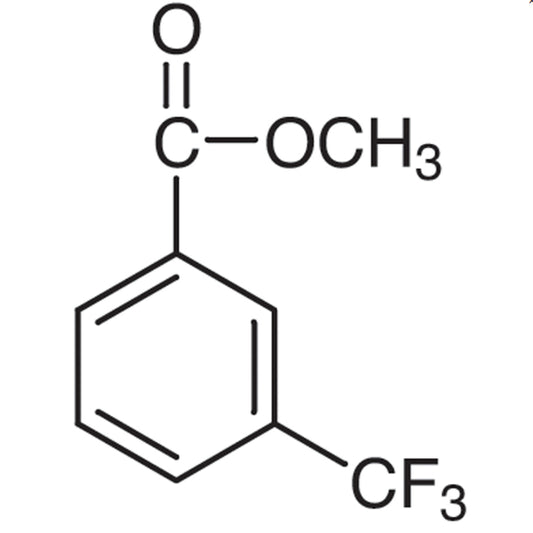
- TCI M1718 2557-13-3 Methyl 3-(Trifluoromethyl)benzoate
- TCI E1330 583-02-8 Ethyl 4-(Trifluoromethyl)benzoate
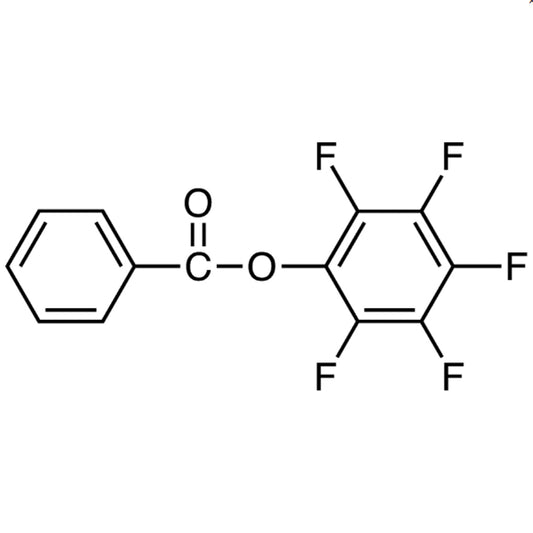
- TCI P2229 1548-84-1 Pentafluorophenyl Benzoate
- TCI I0766 16588-74-2 3,5-Bis(trifluoromethyl)phenyl Isocyanate
- TCI I0794 163444-17-5 2-Iodo-4-(trifluoromethyl)aniline
- Organic synthesis applications benefit from its reactivity and fluorinated structure, enabling the creation of complex molecules with tailored properties.
- Pharmaceutical research utilizes this compound to develop new drugs, as fluorinated compounds often exhibit enhanced bioavailability and metabolic stability.
- Materials science experiments leverage its unique chemical properties to design advanced polymers and functional materials with improved performance.
- Analytical chemistry uses it as a standard reference material for testing and calibration of analytical instruments.
- Environmental studies incorporate it to investigate the behavior and degradation of fluorinated compounds in different ecosystems.
| Brand | TCI |
|---|---|
| CAS number | 2967-66-0 |
| Molecular formula | — |
| Purity | — |
| Category | Chemistry > Building Blocks > Fluorinated Building Blocks |
| Pack sizes | Available in various quantities as per supplier specifications |
| Physical form | Solid or liquid, depending on the specific product variant |
| Storage | Store in a cool, dry place away from direct sunlight and incompatible materials |
Methyl 4-(Trifluoromethyl)benzoate should be stored in a cool, dry environment to maintain its chemical integrity. It is recommended to keep the compound in a tightly sealed container to prevent exposure to moisture and air. Due to its reactivity, it should be stored away from incompatible substances such as strong acids or bases. Proper labeling of containers is essential for safe handling and identification. Laboratory personnel should wear appropriate personal protective equipment, including gloves and safety goggles, when handling this compound. Regular monitoring of storage conditions ensures the compound remains stable and safe for use in research applications.
—
Produk Terkait
-
Methyl2-(Trifluoromethyl)benzoate TCI M2475
Regular price From Rp 1.485.750,00Regular price -
Methyl3-(Trifluoromethyl)benzoate TCI M1718
Regular price From Rp 743.400,00Regular price -
Ethyl4-(Trifluoromethyl)benzoate TCI E1330
Regular price From Rp 717.150,00Regular price -
PentafluorophenylBenzoate TCI P2229
Regular price From Rp 1.326.150,00Regular price -
3,5-Bis(trifluoromethyl)phenylIsocyanate TCI I0766
Regular price From Rp 4.108.650,00Regular price -
2-Iodo-4-(trifluoromethyl)aniline TCI I0794
Regular price From Rp 1.485.750,00Regular price -
Phenyl[4-(trifluoromethyl)phenyl]methanone TCI T4379
Regular price Rp 1.936.200,00Regular price -
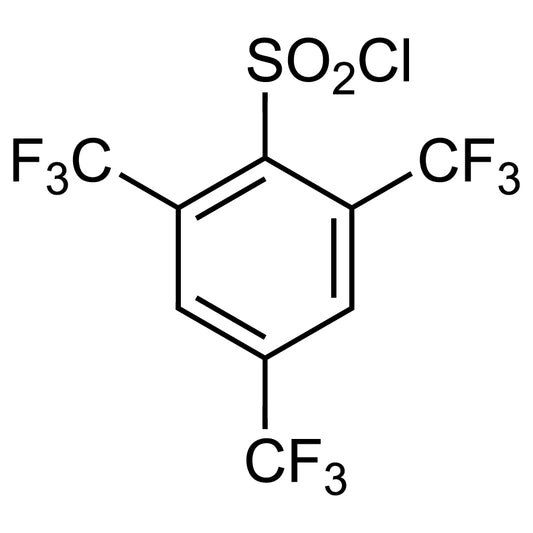
2,4,6-Tris(trifluoromethyl)benzenesulfonylChloride TCI T4302
Regular price From Rp 3.949.050,00Regular price






![728-86-9 Phenyl[4-(trifluoromethyl)phenyl]methanone - AMI Scientific](http://amiscientific.com/cdn/shop/files/TCI2510T4379.jpg?v=1768363694&width=533)