Methyl 2-(Trifluoromethyl)benzoate is a chemical compound widely used in organic synthesis reactions within laboratory settings. This compound is a fluorinated building block that plays a crucial role in the development of complex molecular structures. Its unique chemical properties make it a versatile reagent for chemists working on various synthetic pathways. Due to its stability and controlled reactivity, it is a reliable choice for both research and industrial applications.
The compound’s molecular structure includes a trifluoromethyl group, which imparts specific chemical behavior and reactivity. This group enhances the compound’s polarity and solubility in organic solvents such as ethyl acetate and chloroform. The presence of multiple fluorine atoms also contributes to its high specificity in chemical reactions, allowing for efficient and targeted synthesis of desired compounds. These characteristics make it highly sought after in organic chemistry research.
In Indonesian laboratories, Methyl 2-(Trifluoromethyl)benzoate is commonly used in scientific research and chemical product development. Its role in creating advanced materials and pharmaceutical compounds highlights its importance in the evolving field of chemical sciences. As research continues to expand, this compound remains a key component in the toolkit of chemists working in both academic and industrial environments.
TCI brochures (PDF)
- Fluorination Reagents, Fluorinated Building Blocks 2026-03-18 · p. 37
Related TCI products
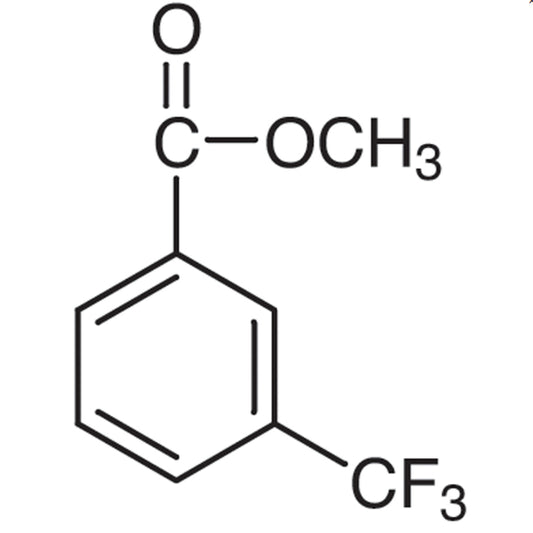
- TCI M1718 2557-13-3 Methyl 3-(Trifluoromethyl)benzoate
- TCI M1498 2967-66-0 Methyl 4-(Trifluoromethyl)benzoate
- TCI E1330 583-02-8 Ethyl 4-(Trifluoromethyl)benzoate
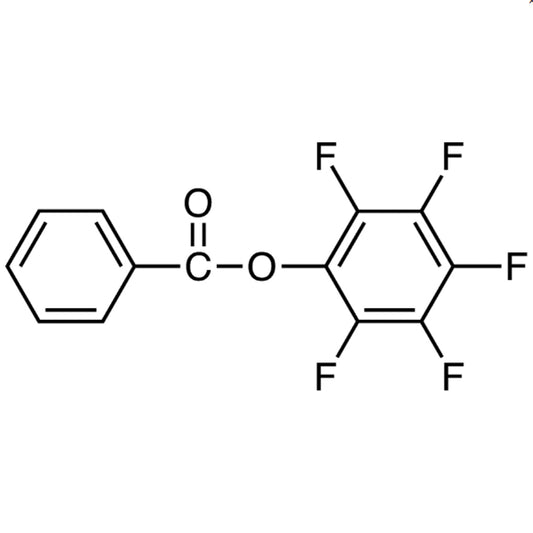
- TCI P2229 1548-84-1 Pentafluorophenyl Benzoate
- TCI I0766 16588-74-2 3,5-Bis(trifluoromethyl)phenyl Isocyanate
- TCI I0794 163444-17-5 2-Iodo-4-(trifluoromethyl)aniline
- Organic synthesis is a primary application where this compound serves as a building block for creating complex molecules.
- Pharmaceutical research benefits from its ability to participate in controlled reactions, aiding in the development of new drug compounds.
- Material science applications leverage its unique chemical properties for the synthesis of advanced polymers and coatings.
- Analytical chemistry uses it as a standard reference for spectroscopic and chromatographic analyses.
- Industrial chemical production incorporates it in the manufacture of specialty chemicals with specific functional groups.
| Brand | TCI |
|---|---|
| CAS number | 344-96-7 |
| Molecular formula | — |
| Purity | — |
| Category | Chemistry > Building Blocks > Fluorinated Building Blocks |
| Pack sizes | Available in various sizes as per supplier specifications |
| Physical form | Solid or liquid, depending on the specific formulation |
| Storage | Store in a cool, dry place away from light and moisture |
This compound should be stored in a cool, dry environment, away from direct sunlight and moisture. It is recommended to use airtight containers made of glass or high-density polyethylene to prevent contamination and degradation. Due to its chemical stability, it does not require refrigeration under normal conditions. Laboratory personnel should handle it with care, using appropriate personal protective equipment such as gloves and safety goggles. While it is not highly toxic, it is advisable to work in a well-ventilated area to minimize exposure. Proper labeling and storage practices ensure the safety of both the compound and the laboratory environment.
—
Produk Terkait
-
Methyl3-(Trifluoromethyl)benzoate TCI M1718
Regular price From Rp 743.400,00Regular price -
Methyl4-(Trifluoromethyl)benzoate TCI M1498
Regular price From Rp 823.200,00Regular price -
Ethyl4-(Trifluoromethyl)benzoate TCI E1330
Regular price From Rp 717.150,00Regular price -
PentafluorophenylBenzoate TCI P2229
Regular price From Rp 1.326.150,00Regular price -
3,5-Bis(trifluoromethyl)phenylIsocyanate TCI I0766
Regular price From Rp 4.108.650,00Regular price -
2-Iodo-4-(trifluoromethyl)aniline TCI I0794
Regular price From Rp 1.485.750,00Regular price -
Phenyl[4-(trifluoromethyl)phenyl]methanone TCI T4379
Regular price Rp 1.936.200,00Regular price -
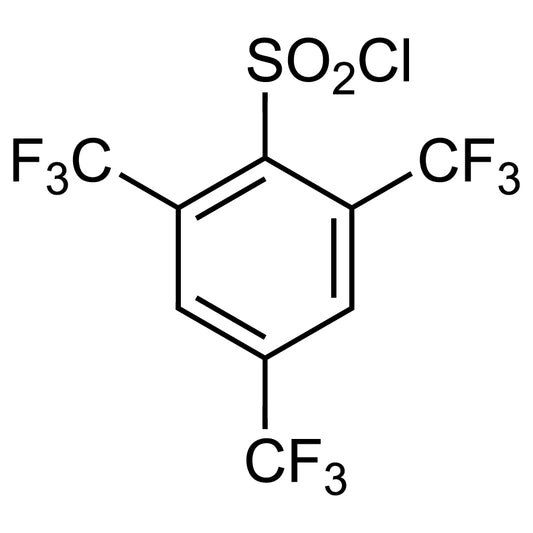
2,4,6-Tris(trifluoromethyl)benzenesulfonylChloride TCI T4302
Regular price From Rp 3.949.050,00Regular price





![728-86-9 Phenyl[4-(trifluoromethyl)phenyl]methanone - AMI Scientific](http://amiscientific.com/cdn/shop/files/TCI2510T4379.jpg?v=1768363694&width=533)