2-Methylpyrimidine is a chemical compound classified under the heterocyclic category, featuring a pyrimidine core with a methyl group attached at the C2 position. This compound serves as a fundamental building block in organic chemistry, enabling the synthesis of complex molecules through various chemical reactions. In laboratory settings, it plays a crucial role in the development of new compounds, particularly in pharmaceutical and organic research. Its versatility makes it an essential tool for chemists seeking to explore novel synthetic pathways and functional group modifications.
The reactivity and structural stability of 2-Methylpyrimidine make it a preferred choice for researchers. It exhibits a high affinity for interacting with different functional groups, allowing for a wide range of chemical transformations. Its non-volatile nature ensures minimal evaporation during synthesis, enhancing the efficiency of laboratory processes. Additionally, its resistance to degradation under certain conditions contributes to its long-term usability and reliability in chemical experiments.
In Indonesian laboratories, 2-Methylpyrimidine is commonly used in synthetic chemistry applications. It is particularly favored in pharmaceutical research and development, where it aids in the creation of new drug compounds. Its availability through reliable suppliers like AMI Scientific ensures that researchers have consistent access to this essential reagent for their experiments.
Related TCI products
- TCI B1089 41840-28-2 2-(tert-Butoxycarbonylthio)-4,6-dimethylpyrimidine [Boc Agent for Peptides Synthesis]
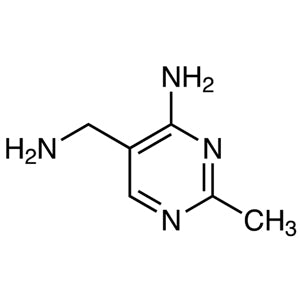
- TCI A2633 95-02-3 4-Amino-5-aminomethyl-2-methylpyrimidine
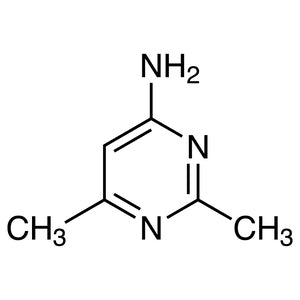
- TCI A2091 461-98-3 4-Amino-2,6-dimethylpyrimidine
- TCI A1474 108-52-1 2-Amino-4-methylpyrimidine
- TCI A1470 732304-23-3 4-Amino-6-hydroxy-2-methylpyrimidine Hydrate
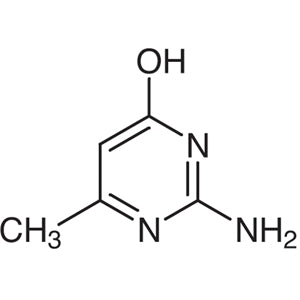
- TCI A1204 3977-29-5 2-Amino-4-hydroxy-6-methylpyrimidine
- Organic synthesis is a primary application where 2-Methylpyrimidine is used to construct complex molecules through substitution and condensation reactions.
- Pharmaceutical research benefits from this compound as it is integral in the development of new drugs and bioactive compounds.
- Heterocyclic compound synthesis relies on 2-Methylpyrimidine due to its stable yet reactive structure, allowing for the formation of various ring systems.
- Functional group modification experiments often utilize this compound because of its ability to interact with multiple chemical groups.
- Analytical chemistry applications may involve 2-Methylpyrimidine as a standard or reagent in qualitative and quantitative analysis procedures.
| Brand | TCI |
|---|---|
| CAS number | 5053-43-0 |
| Molecular formula | — |
| Purity | — |
| Category | Chemistry > Building Blocks > Heterocyclic Building Blocks |
| Pack sizes | Available in various quantities to suit different laboratory needs |
| Physical form | Solid or liquid, depending on the specific product variant |
| Storage | Store in a cool, dry place away from light and moisture |
2-Methylpyrimidine should be stored in a cool, dry environment to maintain its chemical integrity. It is recommended to keep it in airtight containers to prevent exposure to moisture and air, which could affect its stability. Proper labeling of storage containers is essential to ensure safe handling and prevent accidental use. In laboratory settings, it is important to follow standard safety protocols, including the use of personal protective equipment when handling the compound. Regular monitoring of storage conditions ensures that the compound remains suitable for use in chemical experiments.
—
Produk Terkait
-
2-(tert-Butoxycarbonylthio)-4,6-dimethylpyrimidine[BocAgentforPeptidesSynthesis] TCI B1089
Regular price From Rp 1.008.000,00Regular price -
4-Amino-5-aminomethyl-2-methylpyrimidine TCI A2633
Regular price Rp 4.743.900,00Regular price -
4-Amino-2,6-dimethylpyrimidine TCI A2091
Regular price From Rp 1.644.300,00Regular price -
2-Amino-4-methylpyrimidine TCI A1474
Regular price From Rp 664.650,00Regular price -
4-Amino-6-hydroxy-2-methylpyrimidineHydrate TCI A1470
Regular price From Rp 743.400,00Regular price -
2-Amino-4-hydroxy-6-methylpyrimidine TCI A1204
Regular price From Rp 928.200,00Regular price -
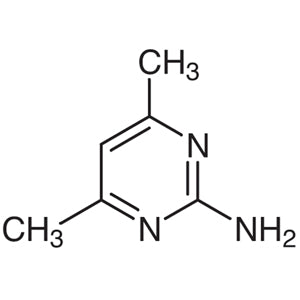
2-Amino-4,6-dimethylpyrimidine TCI A1083
Regular price Rp 823.200,00Regular price -
2-Amino-4-methoxy-6-methylpyrimidine TCI A0950
Regular price From Rp 1.485.750,00Regular price
![41840-28-2 2-(tert-Butoxycarbonylthio)-4,6-dimethylpyrimidine [Boc Agent for Peptides Synthesis] - AMI Scientific](http://amiscientific.com/cdn/shop/files/TCI2510B1089_7b65c1b0-ca0b-4b1a-822b-5b995d7e14c0.jpg?v=1767231194&width=533)