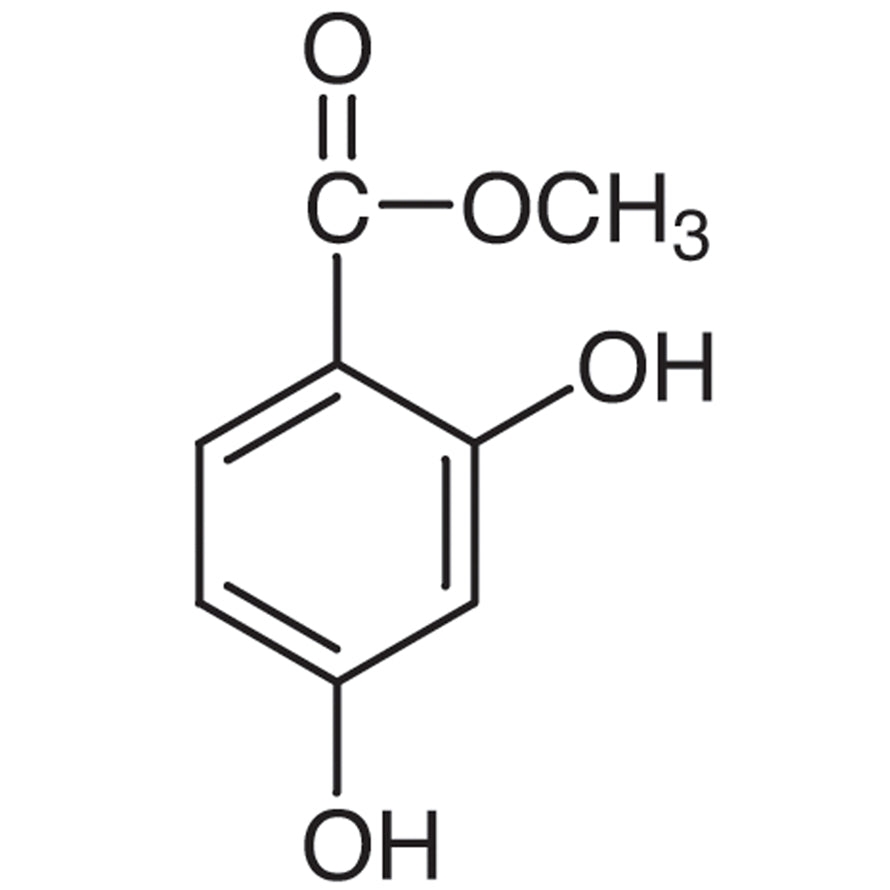
TCI M1796 Methyl 2,4-Dihydroxybenzoate is the methyl ester of a dihydroxybenzoic acid, carrying two hydroxyl groups at positions 2 and 4 of its aromatic ring. The compound is widely recognised as a building block in organic synthesis because it presents a reactive ester group alongside two phenolic groups that can be modified selectively. In the laboratory, this material is used to construct coumarin and chromone frameworks as well as a range of other aromatic derivatives, and it also serves as a reference material in studies of phenolic and antioxidant compounds.
The property that makes this compound such a frequent choice is its wealth of functional groups combined with the ease of controlling them. The hydroxyl group positioned ortho to the ester forms an internal hydrogen bond, so its reactivity differs from that of the hydroxyl in the para position, and this difference can be exploited to carry out selective reactions such as alkylation or acylation at a single position only. The electron-rich aromatic ring likewise facilitates electrophilic substitution reactions. The compound dissolves in polar organic solvents such as methanol and acetone, so preparing both reaction mixtures and analytical solutions is straightforward.
Laboratories in Indonesia turn to this building block in university research groups, synthetic and natural-product chemistry programmes, and analytical work involving phenolic compounds. Its combination of an ester handle and two differentiable phenol groups makes it a practical starting point for multi-step syntheses, while its solubility in common polar organic solvents keeps routine solution preparation simple for teaching laboratories, research facilities, and quality-control units that already stock standard organic solvents.
Related TCI products
- Coumarin framework synthesis — the ortho-hydroxyl adjacent to the ester provides the arrangement needed to close the lactone ring, making this compound a direct precursor to coumarin scaffolds.
- Chromone derivative preparation — the electron-rich, doubly hydroxylated aromatic ring supports the cyclisation chemistry used to assemble chromone cores in multi-step synthetic routes.
- Selective alkylation and acylation studies — the differing reactivity of the ortho and para hydroxyl groups allows chemists to functionalise one position at a time with predictable regiochemical outcomes.
- Electrophilic aromatic substitution work — the electron-rich ring readily accepts electrophiles, so the compound serves as a convenient substrate for studying and applying substitution reactions.
- Phenolic and antioxidant compound studies — the material functions as a reference substance in research examining phenolic structures and antioxidant behaviour in academic and analytical laboratories.
| Brand | TCI |
|---|---|
| CAS number | 2150-47-2 |
| Molecular formula | — |
| Purity | — |
| Category | Chemistry > Building Blocks > Non-Heterocyclic Building Blocks |
| Pack sizes | available in standard TCI catalogue pack sizes; please confirm the size required when ordering |
| Physical form | — |
| Storage | keep in a closed container under the conditions stated on the manufacturer's label |
- Solubility: soluble in polar organic solvents such as methanol and acetone
Store the container tightly closed in a cool, dry place away from direct sunlight, heat sources, and strong oxidising agents, following the conditions printed on the manufacturer's label. Original supplier packaging or a well-sealed amber glass bottle is suitable, since limiting exposure to air and light helps protect phenolic groups over time. Handle the material in a fume hood or a well-ventilated area, wear gloves, safety glasses, and a laboratory coat, and avoid generating dust during weighing. Keep prepared solutions clearly labelled with their contents and preparation date, close containers promptly after use, and consult the manufacturer's safety data sheet before handling and for disposal guidance.
—
Produk Terkait
-
Methyl2,5-Dihydroxybenzoate TCI M2006
Regular price From Rp 1.246.350,00Regular price -
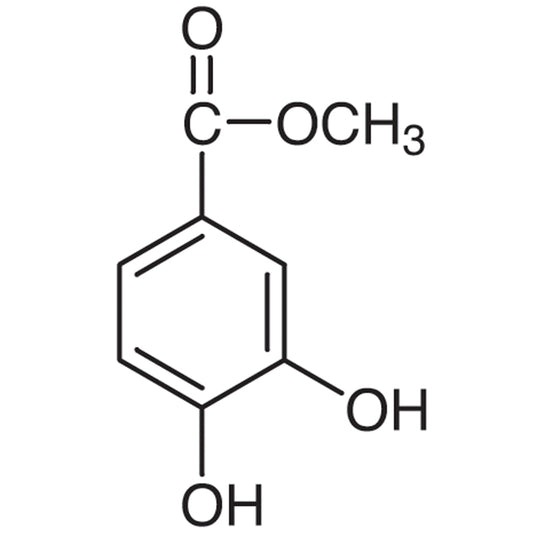
Methyl3,4-Dihydroxybenzoate TCI M1943
Regular price From Rp 1.167.600,00Regular price -
Methyl2,3-Dihydroxybenzoate TCI M1737
Regular price From Rp 2.757.300,00Regular price -
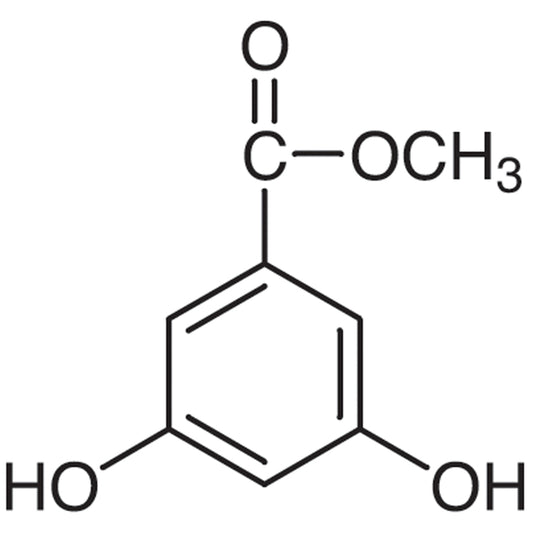
Methyl3,5-Dihydroxybenzoate TCI D2215
Regular price Rp 2.121.000,00Regular price -
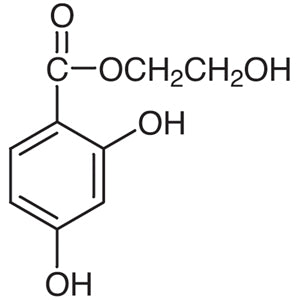
2,4-Dihydroxybenzoate TCI D2007
Regular price Rp 3.472.350,00Regular price -
Methyl2,6-Dihydroxybenzoate TCI D1461
Regular price From Rp 1.829.100,00Regular price -
Ethyl3,4-Dihydroxybenzoate TCI D0571
Regular price From Rp 689.850,00Regular price -
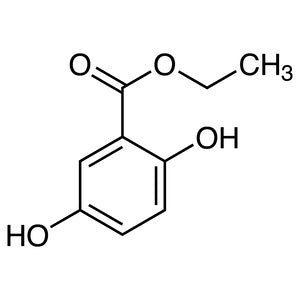
Ethyl2,5-Dihydroxybenzoate TCI E1559
Regular price Rp 1.829.100,00Regular price