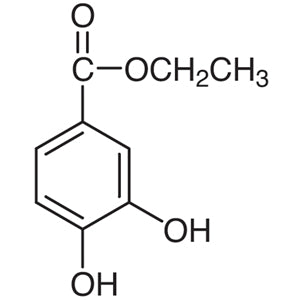
Ethyl 3,4-Dihydroxybenzoate is a chemical compound widely used in laboratory settings for its versatility in organic synthesis. As a non-heterocyclic building block, it serves as a fundamental component in the creation of complex organic molecules. Its role in chemical reactions is crucial, particularly in the development of aromatic compounds and their derivatives. This compound is commonly found in chemical laboratories as a starting material for various synthetic processes. Its ability to participate in multiple reaction types makes it an essential reagent for researchers working in diverse fields of chemistry.
The compound exhibits several desirable chemical properties that make it a preferred choice for laboratory use. It is soluble in organic solvents, which facilitates its use in a wide range of reaction conditions. Additionally, its ability to undergo substitution and esterification reactions enhances its applicability in synthetic pathways. The stability of its molecular structure ensures consistent performance in different experimental setups. These characteristics make it a reliable and efficient material for both academic and industrial research applications.
In Indonesian laboratories, Ethyl 3,4-Dihydroxybenzoate is frequently used in scientific research, especially in the fields of organic chemistry and pharmaceutical development. It is commonly employed in the synthesis of drug compounds, qualitative and quantitative analysis, and the creation of new chemical materials. Its stability and reactivity make it a valuable resource for researchers aiming to advance their work in chemical synthesis and analytical techniques.
- Organic synthesis applications benefit from Ethyl 3,4-Dihydroxybenzoate due to its reactivity and ability to participate in esterification and substitution reactions.
- Pharmaceutical research utilizes this compound for the synthesis of complex drug molecules and the development of new therapeutic agents.
- Analytical chemistry applications rely on its solubility and chemical stability for accurate qualitative and quantitative analysis.
- Chemical material development uses this compound as a building block for the creation of new organic compounds and functional materials.
- Research in medicinal chemistry employs Ethyl 3,4-Dihydroxybenzoate for the design and testing of novel compounds with potential pharmacological properties.
| Brand | TCI |
|---|---|
| CAS number | 3943-89-3 |
| Molecular formula | — |
| Purity | — |
| Category | Chemistry > Building Blocks > Non-Heterocyclic Building Blocks |
| Pack sizes | Available in various quantities as per supplier specifications |
| Physical form | Solid, crystalline |
| Storage | Store in a cool, dry place away from direct sunlight and moisture |
Ethyl 3,4-Dihydroxybenzoate should be stored in a cool, dry environment to maintain its chemical stability and prevent degradation. It is recommended to keep the compound in airtight containers to minimize exposure to moisture and air, which can affect its purity. Suitable storage conditions include a controlled temperature range of 15–25°C. In laboratory settings, it is important to handle the compound with care, using appropriate personal protective equipment such as gloves and safety goggles. Avoid direct contact with skin or inhalation of vapors to ensure safe handling. Proper storage and handling practices are essential to maintain the integrity and effectiveness of the compound in research applications.
—
Produk Terkait
-
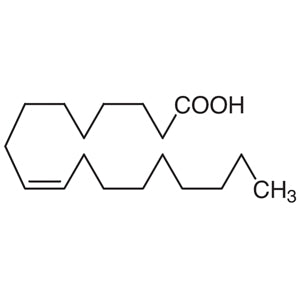
OleicAcid TCI O0180
Regular price From Rp 1.618.050,00Regular price -
trans-FerulicAcid TCI H0267
Regular price From Rp 1.881.600,00Regular price -
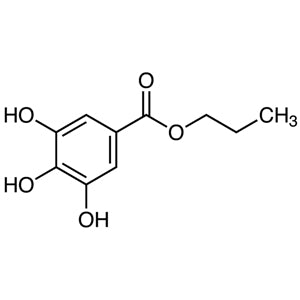
PropylGallate TCI G0018
Regular price From Rp 637.350,00Regular price -
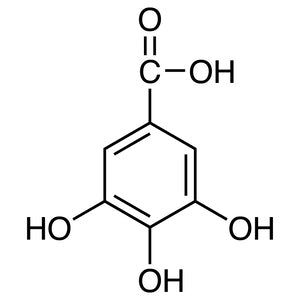
GallicAcid TCI G0011
Regular price From Rp 505.050,00Regular price -
2,5-DihydroxybenzoicAcid TCI D0569
Regular price From Rp 1.246.350,00Regular price -
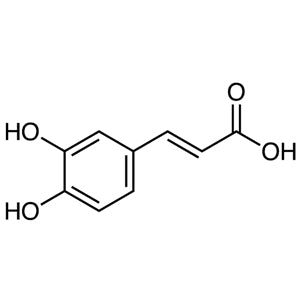
CaffeicAcid TCI C0002
Regular price From Rp 903.000,00Regular price -
3',4',5,7-Tetrahydroxyflavone TCI T2682
Regular price From Rp 1.565.550,00Regular price -
Kaempferol TCI K0018
Regular price From Rp 3.207.750,00Regular price