![75-75-2 Methanesulfonic Acid [for HPLC] - AMI Scientific](http://amiscientific.com/cdn/shop/files/TCI2510M2059.jpg?v=1769181028&width=1946)
![75-75-2 Methanesulfonic Acid [for HPLC] - AMI Scientific](http://amiscientific.com/cdn/shop/files/TCI2510M2059.jpg?v=1769181028&width=1445)
Methanesulfonic Acid (MSA), TCI M2059, is a versatile chemical compound widely utilized in analytical chemistry, especially in high-performance liquid chromatography (HPLC) applications. This reagent plays a crucial role in laboratories by serving as a solvent, modifier, or reagent in chromatographic systems. Its unique properties make it an essential tool for enhancing the separation efficiency of complex mixtures. MSA is particularly valuable in the analysis of compounds that are poorly soluble in conventional solvents, offering improved resolution and accuracy in analytical procedures.
The chemical stability and non-degradative nature of MSA make it a preferred choice for repeated use in various analytical applications. It exhibits excellent solubility in both organic solvents and water, expanding its applicability across different experimental setups. Additionally, MSA is free from heavy metal ions and does not produce precipitates, ensuring reliable and accurate results. These characteristics make it a safer and more precise alternative to other chemical reagents commonly used in laboratory settings.
In Indonesian laboratories, TCI M2059 Methanesulfonic Acid is frequently employed in the analysis of pharmaceutical products, food ingredients, and industrial chemicals. Its application extends to scientific research, where it helps maintain the accuracy and precision of analytical outcomes. Due to its availability and consistent performance, it is a trusted reagent in both academic and industrial research environments.
Related TCI products
- High-Performance Liquid Chromatography (HPLC) for improved resolution and separation of complex compounds due to its excellent solubility and stability.
- Pharmaceutical Analysis for the accurate determination of active ingredients and impurities in drug formulations.
- Food Chemistry Research for the detection and quantification of additives and contaminants in food samples.
- Industrial Chemical Testing for the analysis of organic compounds in various manufacturing processes.
- Environmental Analysis for the detection of trace organic pollutants in water and soil samples.
| Brand | TCI |
|---|---|
| CAS number | 75-75-2 |
| Molecular formula | — |
| Purity | — |
| Category | Analytical Chemistry > Analytical Reagents > Chromatography Reagents and Solvents |
| Pack sizes | Available in various quantities as per supplier listings |
| Physical form | Liquid |
| Storage | Store in a cool, dry place away from direct sunlight |
Methanesulfonic Acid should be stored in a cool, dry place, away from direct sunlight and sources of heat. It is recommended to keep the reagent in tightly sealed containers to prevent contamination and evaporation. Due to its acidic nature, it should be handled with appropriate personal protective equipment, including gloves and safety goggles. Avoid contact with skin and eyes, and ensure proper ventilation in the laboratory. The reagent should not be stored near incompatible materials such as strong bases or reactive metals. Regular inspection of storage containers is advised to maintain the integrity and safety of the chemical.
—
Produk Terkait
-
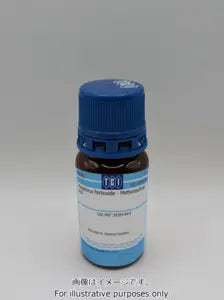
PhosphorusPentoxide-MethanesulfonicAcid TCI P1042
Regular price From Rp 1.326.150,00Regular price -
MethanesulfonicAcid TCI M0093
Regular price From Rp 505.050,00Regular price -
3-AminobenzenesulfonicAcid TCI A0265
Regular price From Rp 505.050,00Regular price -
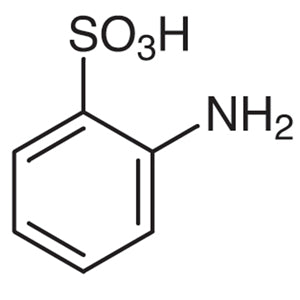
2-AminobenzenesulfonicAcid TCI A0266
Regular price From Rp 769.650,00Regular price -
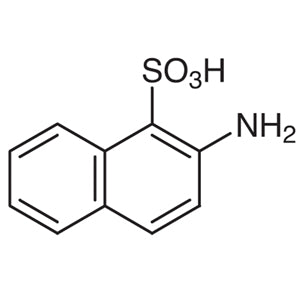
2-Amino-1-naphthalenesulfonicAcid TCI A0343
Regular price From Rp 477.750,00Regular price -
5-Amino-2-naphthalenesulfonicAcid TCI A0346
Regular price From Rp 717.150,00Regular price -
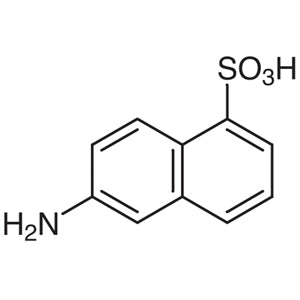
6-Amino-1-naphthalenesulfonicAcid TCI A0347
Regular price From Rp 955.500,00Regular price -
6-Amino-2-naphthalenesulfonicAcidMonohydrate TCI A0348
Regular price From Rp 1.405.950,00Regular price