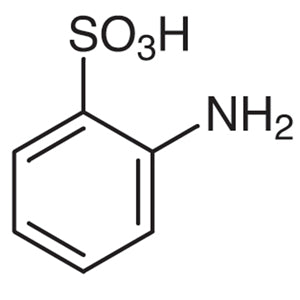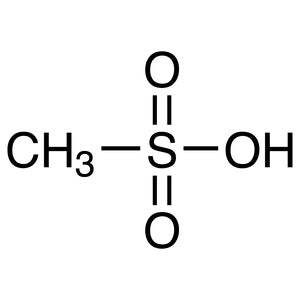
Methanesulfonic Acid (MSA), with the CAS number 75-75-2, is a versatile chemical compound widely used in laboratory settings, particularly in organic synthesis. As a strong acid, it serves as a solvent, catalyst, or reactant in various chemical reactions. Its ability to generate stable sulfonate ions makes it highly effective in reactions requiring acidic conditions. MSA is valued for its chemical stability and solubility in both organic solvents and water, making it a reliable choice for a wide range of applications.
One of the key reasons MSA is preferred in laboratories is its excellent solubility and stability under various conditions. It has a high boiling point and good electrical conductivity, which are advantageous in specialized chemical processes. Additionally, its neutral or acidic nature allows it to be used in reactions where pH control is critical. These properties make it a go-to reagent for researchers seeking reliable and consistent results.
In Indonesian laboratories, Methanesulfonic Acid is commonly used in pharmaceutical, organic chemistry, and analytical applications. Its availability and reliability make it a preferred choice for researchers and scientists working on drug development, compound synthesis, and chemical analysis. The compound’s broad utility and stable performance contribute to its popularity in both academic and industrial research settings.
TCI brochures (PDF)
- Sulfonimidoylation Reagent TrNSO 2023-01-30 · p. 1
- Phosphine Ligand for the Synthesis of Sterically Hindered Biaryls HFTPhos 2026-06-18 · p. 2
- Amino Acids and Peptide Synthesis Reagents 2025-08-14 · p. 38
Related TCI products
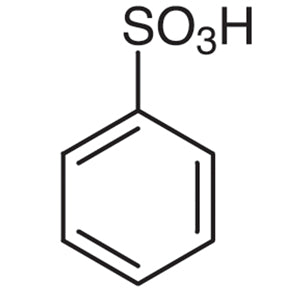
- TCI B3408 98-11-3 Benzenesulfonic Acid Anhydrous
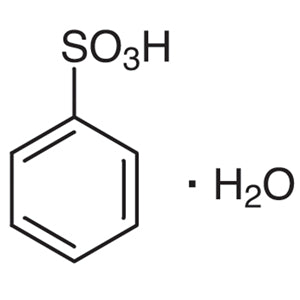
- TCI B0030 26158-00-9 Benzenesulfonic Acid Monohydrate
- TCI T0751 1493-13-6 Trifluoromethanesulfonic Acid
- TCI T0267 6192-52-5 p-Toluenesulfonic Acid Monohydrate
- TCI P1042 39394-84-8 Phosphorus Pentoxide - Methanesulfonic Acid
- TCI M2059 75-75-2 Methanesulfonic Acid [for HPLC]
- Organic synthesis where MSA acts as a catalyst or solvent due to its acidic properties and solubility in various media.
- Pharmaceutical research for the synthesis of active pharmaceutical ingredients requiring controlled acidic conditions.
- Analytical chemistry applications where MSA is used to adjust pH or as a reagent in titration processes.
- Industrial chemical processes that require a stable, non-corrosive acid with good solubility characteristics.
- Environmental testing where MSA is used to prepare samples for analysis or as a reagent in specific chemical reactions.
| Brand | TCI |
|---|---|
| CAS number | 75-75-2 |
| Molecular formula | — |
| Purity | — |
| Category | Chemistry > Synthetic Reagents > Acids, Bases [Synthetic Reagents] |
| Pack sizes | Available in various sizes as per supplier specifications |
| Physical form | Liquid |
| Storage | Store in a cool, dry place away from incompatible materials |
Methanesulfonic Acid should be stored in a cool, dry place, away from direct sunlight and incompatible substances such as strong bases or oxidizing agents. It is recommended to use suitable containers made of materials resistant to acid corrosion, such as glass or high-density polyethylene. In laboratory settings, proper personal protective equipment, including gloves, goggles, and a lab coat, should always be worn when handling this compound. Due to its strong acidic nature, it is important to avoid skin contact and inhalation of vapors. The substance should be kept in a well-ventilated area to minimize exposure risks. Always follow standard safety protocols for handling strong acids to ensure a safe working environment.
References cited in the TCI brochure
- Gia L. Hoang. Enantioselective Desymmetrization via Carbonyl-Directed Catalytic Asymmetric Hydroboration and Suzuki–Miyaura Cross-Coupling Organic Letters, 2015. doi:10.1021/ol503764d
- Svitlana O. Sotnik. Third Generation Buchwald Precatalysts with XPhos and RuPhos: Multigram Scale Synthesis, Solvent-Dependent Isomerization of XPhos Pd G3 and Quality Control by 1H- and 31P-NMR Spectroscopy Molecules, 2021. doi:10.3390/molecules26123507
Produk Terkait
-
BenzenesulfonicAcidAnhydrous TCI B3408
Regular price Rp 1.565.550,00Regular price -
BenzenesulfonicAcidMonohydrate TCI B0030
Regular price From Rp 743.400,00Regular price -
TrifluoromethanesulfonicAcid TCI T0751
Regular price From Rp 980.700,00Regular price -
p-ToluenesulfonicAcidMonohydrate TCI T0267
Regular price From Rp 477.750,00Regular price -
PhosphorusPentoxide-MethanesulfonicAcid TCI P1042
Regular price From Rp 1.326.150,00Regular price -
MethanesulfonicAcid[forHPLC] TCI M2059
Regular price From Rp 823.200,00Regular price -
3-AminobenzenesulfonicAcid TCI A0265
Regular price From Rp 505.050,00Regular price -
2-AminobenzenesulfonicAcid TCI A0266
Regular price From Rp 769.650,00Regular price


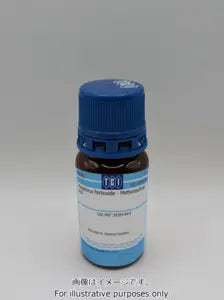
![75-75-2 Methanesulfonic Acid [for HPLC] - AMI Scientific](http://amiscientific.com/cdn/shop/files/TCI2510M2059.jpg?v=1769181028&width=533)