Trifluoromethanesulfonic Acid (TFMSA), with CAS number 1493-13-6, is a potent sulfonic acid widely used in various chemical reactions and organic synthesis. This material plays a crucial role in laboratory settings by enabling the activation of functional groups on target molecules, thereby facilitating efficient chemical transformations. Its high reactivity makes it an essential reagent in advanced chemical research, particularly in the fields of chemical biology and glycoscience. TFMSA is known for its ability to catalyze complex reactions, making it a preferred choice for researchers seeking to optimize synthetic pathways.
TFMSA is characterized by its strong corrosive properties and high reactivity, which make it one of the most powerful sulfonic acids available. Its ability to dissolve in a variety of organic solvents, such as ethyl acetate and chloroform, enhances its versatility in laboratory applications. The material’s high reactivity and effectiveness in promoting nucleophilic substitution and esterification reactions further solidify its position as a key reagent in synthetic chemistry. These properties make it ideal for use in both academic and industrial research environments.
In Indonesian laboratories, TFMSA is commonly used in pure chemical research, pharmaceutical chemistry, and biochemical studies. Its role in molecular modification, synthesis of active compounds, and drug development makes it highly relevant to ongoing scientific investigations. Due to its strong reactivity and effectiveness, TFMSA is a preferred choice for researchers aiming to achieve high-yield and high-purity chemical syntheses.
TCI brochures (PDF)
- RAFT Agents for Cationic RAFT Polymerization 2026-06-23 · p. 1
- MacMillan Imidazolidinone Organocatalysts 2025-01-07 · p. 1
- Asymmetric Organocatalysts 2025-06-12 · p. 4
- Glycosidation 2026-04-14 · p. 2
- Reagents for Glyco Chemistry & Biology 5th Edition · p. 150
Related TCI products
- Chemical synthesis applications benefit from TFMSA’s ability to activate functional groups and accelerate reaction rates, making it ideal for organic synthesis.
- Glycoscience research utilizes TFMSA for the efficient modification of carbohydrates and the synthesis of glycosides, supporting advanced biochemical studies.
- Pharmaceutical chemistry applications rely on TFMSA to facilitate the production of active pharmaceutical ingredients through optimized reaction conditions.
- Biochemical research employs TFMSA in the development of complex molecular structures, aiding in the study of biological processes and molecular interactions.
- Molecular modification projects leverage TFMSA’s reactivity to enhance the efficiency of synthetic pathways in creating novel compounds.
From the TCI brochure
- Initiator (labeled in brochure) in the cationic RAFT polymerization example
| Brand | TCI |
|---|---|
| CAS number | 1493-13-6 |
| Molecular formula | — |
| Purity | — |
| Category | Chemistry > Chemical Biology > Glycoscience |
| Pack sizes | Available in various sizes as per standard laboratory requirements |
| Physical form | Liquid |
| Storage | Store in a cool, dry place away from incompatible materials |
Data from the TCI brochure
| Rasio monomer [I0099] : RAFT agent [I1322] : initiator [T0751] | 500 : 10 : 0.05 |
|---|
Source: TCI brochure FF236 (2026-06-23)
TFMSA should be stored in a cool, dry environment, away from direct sunlight and sources of heat. It is essential to use appropriate containers that are resistant to corrosion, such as glass or high-density polyethylene. Due to its strong corrosive nature, handling should be done with care, using personal protective equipment like gloves and goggles. The material should never be stored near incompatible substances such as bases or organic solvents. Always ensure proper ventilation in the laboratory when handling TFMSA to minimize exposure risks. Regular monitoring of storage conditions is recommended to maintain the integrity and safety of the material.
References cited in the TCI brochure
- Sandra Lee. Enantioselective organocatalytic epoxidation using hypervalent iodine reagents Tetrahedron, 2006. doi:10.1016/j.tet.2006.07.055
Produk Terkait
-
p-ToluenesulfonicAcidMonohydrate TCI T0267
Regular price From Rp 477.750,00Regular priceRp 333.900,00Sale price From Rp 477.750,00 -
TrifluoromethanesulfonicAnhydride TCI T1100
Regular price From Rp 1.670.550,00Regular priceRp 1.167.600,00Sale price From Rp 1.670.550,00 -
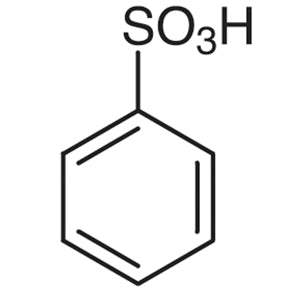
BenzenesulfonicAcidAnhydrous TCI B3408
Regular price Rp 1.565.550,00Regular priceRp 1.094.100,00Sale price Rp 1.565.550,00 -
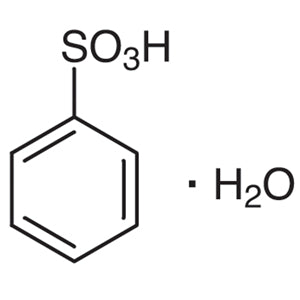
BenzenesulfonicAcidMonohydrate TCI B0030
Regular price From Rp 743.400,00Regular priceRp 519.750,00Sale price From Rp 743.400,00 -
MethanesulfonicAcid TCI M0093
Regular price From Rp 505.050,00Regular priceRp 352.800,00Sale price From Rp 505.050,00 -
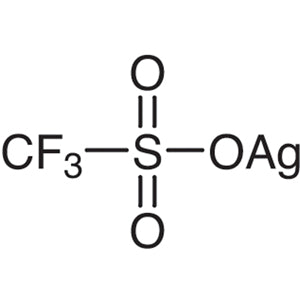
SilverTrifluoromethanesulfonate TCI T1331
Regular price From Rp 610.050,00Regular priceRp 426.300,00Sale price From Rp 610.050,00 -
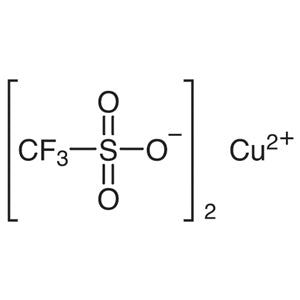
Copper(II)Trifluoromethanesulfonate TCI T1292
Regular price From Rp 1.510.950,00Regular priceRp 1.056.300,00Sale price From Rp 1.510.950,00 -
TrifluoroaceticAcid TCI T0431
Regular price From Rp 557.550,00Regular priceRp 405.300,00Sale price From Rp 557.550,00