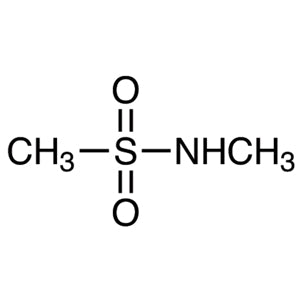
N-Methylmethanesulfonamide (N-MMS), also known as TCI M2170 with CAS number 1184-85-6, is a versatile chemical compound widely used in organic reactions for the synthesis of complex molecules. It serves as a key building block in the creation of heterocyclic compounds and other structurally intricate substances. In the laboratory, N-MMS functions as an essential reagent, particularly in substitution reactions and bond-forming processes. Its reactivity makes it a preferred choice for experiments requiring high reactivity and controlled stability.
The chemical properties of N-MMS make it a preferred choice in various synthetic pathways. It exhibits a stable chemical structure under specific conditions, yet remains highly reactive towards organic reagents. This dual nature allows it to participate in a wide range of reactions without altering the fundamental structure of the resulting compounds. Its ability to interact with multiple functional groups enhances its utility in complex synthesis, making it a flexible and effective reagent in organic chemistry.
In Indonesian laboratories, N-MMS is commonly used in organic chemistry research conducted by universities and research institutions. It plays a crucial role in the development of new compounds and the exploration of chemical reactions. Its reliability and effectiveness make it a staple in both academic and industrial research settings, supporting the advancement of chemical science in Indonesia.
- Organic synthesis is a primary application where N-MMS is used to facilitate the formation of complex molecular structures through substitution and bond-forming reactions.
- Heterocyclic compound development benefits from N-MMS due to its ability to participate in reactions that build ring structures essential for pharmaceutical and chemical applications.
- Reagent compatibility is enhanced by N-MMS, as it interacts effectively with various functional groups without compromising the integrity of the target molecule.
- Structural modification in chemical synthesis relies on N-MMS for its reactivity and stability, allowing for precise control over reaction outcomes.
- Research and development in Indonesian laboratories utilize N-MMS for its proven effectiveness in creating new compounds and exploring chemical mechanisms.
| Brand | TCI |
|---|---|
| CAS number | 1184-85-6 |
| Molecular formula | — |
| Purity | — |
| Category | Chemistry > Building Blocks > Non-Heterocyclic Building Blocks |
| Pack sizes | — |
| Physical form | — |
| Storage | Store in a cool, dry place away from moisture and direct sunlight. |
N-MMS should be stored in a cool, dry environment to maintain its chemical stability and prevent degradation. It is recommended to keep the compound in a sealed container to minimize exposure to moisture and air. Due to its reactivity, it is important to handle N-MMS with care, using appropriate personal protective equipment such as gloves and goggles. Avoid contact with incompatible substances to ensure safety in the laboratory. Proper labeling and storage conditions help maintain the integrity of the compound and support safe handling practices. Always follow standard laboratory protocols when working with reactive chemicals to ensure a safe and effective research environment.
—
Produk Terkait
-
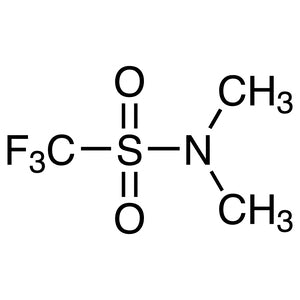
1,1,1-Trifluoro-N,N-dimethylmethanesulfonamide TCI D6135
Regular price From Rp 1.035.300,00Regular price -
N-Phenylmethanesulfonamide TCI P1794
Regular price Rp 4.982.250,00Regular price -
Di-1-naphthylmethanol TCI D3750
Regular price Rp 4.213.650,00Regular price -
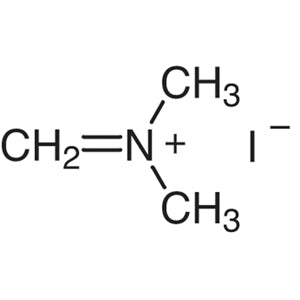
N,N-DimethylmethyleneammoniumIodide TCI D1646
Regular price From Rp 1.538.250,00Regular price -
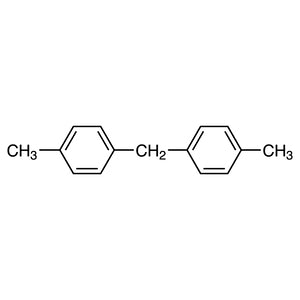
Di-p-tolylmethane TCI D1312
Regular price Rp 5.247.900,00Regular price