Methyl 2-Methyl-5-nitrobenzoate is a chemical compound widely used in laboratory settings as a building block for the synthesis of aromatic compounds and their nitro derivatives. This compound plays a crucial role in organic chemistry, particularly in reactions involving substitution and oxidation. Its structural complexity makes it a versatile reagent for various synthetic pathways. It is commonly found in research laboratories where the development of new chemical compounds and modifications of existing ones are required. Due to its stability and controlled reactivity, it is a preferred choice for chemists seeking reliable and predictable results in their experiments.
The compound exhibits unique chemical properties that make it a preferred choice in laboratory applications. It is soluble in organic solvents, which facilitates its use in a wide range of reaction conditions. Its high melting and boiling points aid in the isolation and purification processes, making it suitable for both preparative and analytical work. The controlled reactivity of Methyl 2-Methyl-5-nitrobenzoate allows for precise manipulation in chemical reactions, ensuring consistent outcomes. These properties contribute to its popularity among researchers working in organic synthesis and related fields.
In Indonesian laboratories, Methyl 2-Methyl-5-nitrobenzoate is extensively used in organic chemistry research. It is a key reagent in the development of new compounds and the modification of existing ones. Educational and research institutions in Indonesia rely on this compound for experimental work, particularly in the study of aromatic compounds and their derivatives. Its availability and reliability make it an essential component in the chemical laboratories of Indonesia.
- Organic synthesis of aromatic compounds and their derivatives due to its structural versatility and reactivity.
- Substitution reactions where controlled reactivity and stability are essential for successful outcomes.
- Oxidation processes requiring a stable and predictable reagent for consistent results.
- Isolation and purification of compounds due to its high melting and boiling points.
- Research in chemical modification and development of new compounds in academic and industrial settings.
| Brand | TCI |
|---|---|
| CAS number | 77324-87-9 |
| Molecular formula | — |
| Purity | — |
| Category | Chemistry > Building Blocks > Non-Heterocyclic Building Blocks |
| Pack sizes | Available in various quantities as per standard laboratory supply |
| Physical form | Solid |
| Storage | Store in a cool, dry place away from direct sunlight |
Methyl 2-Methyl-5-nitrobenzoate should be stored in a cool, dry environment to maintain its stability and prevent degradation. It is recommended to keep the compound in airtight containers to minimize exposure to moisture and air. Due to its chemical nature, it should be stored away from incompatible substances such as strong acids or bases. Proper labeling of containers is essential for safe handling and identification. In laboratory settings, it is important to use appropriate personal protective equipment when handling this compound. Regular monitoring of storage conditions ensures the compound remains in optimal condition for use in experiments.
—
Produk Terkait
-
Ethyl5-Bromo-2-chlorobenzoate TCI B2255
Regular price From Rp 928.200,00Regular price -
Methyl2-Bromo-5-nitrobenzoate TCI B1916
Regular price From Rp 610.050,00Regular price -
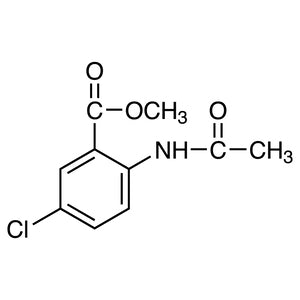
Methyl2-Acetamido-5-chlorobenzoate TCI A1609
Regular price Rp 769.650,00Regular price -
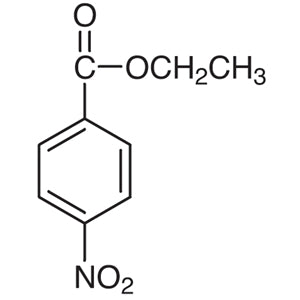
Ethyl4-Nitrobenzoate TCI N0485
Regular price Rp 743.400,00Regular price -
Methyl4-Nitrobenzoate TCI N0159
Regular price Rp 1.298.850,00Regular price -
Methyl2-Nitrobenzoate TCI N0158
Regular price Rp 1.115.100,00Regular price -
Methyl3-Nitrobenzoate TCI N0157
Regular price Rp 980.700,00Regular price -
Methyl4-Hydroxy-3-nitrobenzoate TCI M3649
Regular price From Rp 848.400,00Regular price