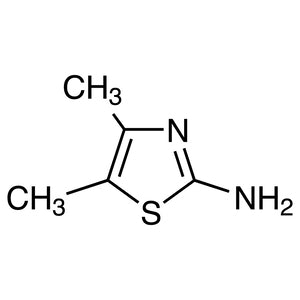
4-Methylthiazole-5-carboxylic Acid is a versatile organic compound widely used in laboratory settings for its unique chemical structure and reactivity. As a heterocyclic building block, it plays a crucial role in the synthesis of complex molecules, including pharmaceuticals, industrial chemicals, and functional compounds. Its ability to participate in various chemical reactions makes it an essential tool for chemists working on diverse synthetic pathways. This compound is particularly valued for its stability and compatibility with a wide range of reaction conditions, allowing for greater flexibility in experimental design.
The compound’s high reactivity and structural complexity make it a preferred choice in laboratory applications. Its heterocyclic framework enables it to form stable intermediates and interact with multiple functional groups, enhancing the efficiency of synthetic processes. The chemical stability of 4-Methylthiazole-5-carboxylic Acid ensures minimal degradation during reactions, contributing to consistent and reliable results. These properties make it a reliable material for both research and industrial applications, supporting the development of new compounds with specific functional characteristics.
In Indonesian laboratories, 4-Methylthiazole-5-carboxylic Acid is commonly used in organic chemistry research, drug development, and the production of specialty chemicals. Its availability and consistent quality make it a go-to material for scientists and researchers aiming to achieve precise and reproducible outcomes. The compound’s role in creating complex molecular structures underscores its importance in advancing chemical innovation and industrial applications within the region.
Related TCI products
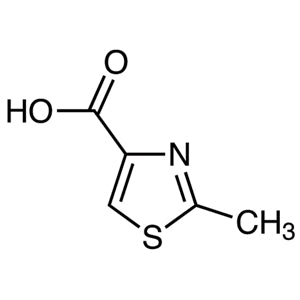
- TCI M2802 35272-15-2 2-Methylthiazole-4-carboxylic Acid
- TCI M2626 40004-69-1 2-Methylthiazole-5-carboxylic Acid
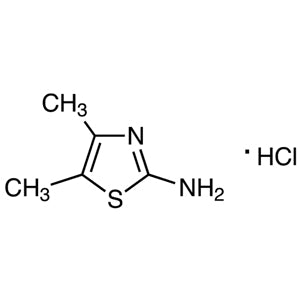
- TCI A0292 71574-33-9 2-Amino-4,5-dimethylthiazole Hydrochloride
- TCI A0336 6142-15-0 2-Amino-4-methylthiazole Hydrochloride
- TCI B1940 4209-18-1 3-Benzyl-4-methylthiazolium Chloride
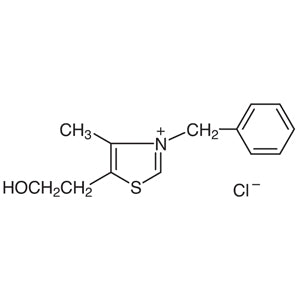
- TCI B1224 4568-71-2 3-Benzyl-5-(2-hydroxyethyl)-4-methylthiazolium Chloride
- Organic synthesis is a key application where this compound is used to build complex molecules due to its reactivity and structural versatility.
- Pharmaceutical research benefits from its ability to form stable intermediates, aiding in the development of new drug compounds.
- Industrial chemical production relies on its compatibility with various reaction conditions, making it ideal for large-scale synthesis.
- Functional compound development utilizes its capacity to interact with multiple functional groups, enabling the creation of specialized materials.
- Academic research in chemistry often incorporates this compound for its role in teaching and exploring heterocyclic chemistry principles.
| Brand | TCI |
|---|---|
| CAS number | 20485-41-0 |
| Molecular formula | — |
| Purity | — |
| Category | Chemistry > Building Blocks > Heterocyclic Building Blocks |
| Pack sizes | Available in various quantities as per supplier specifications |
| Physical form | Solid (as per standard product description) |
| Storage | Store in a cool, dry place away from direct sunlight |
This compound should be stored in a cool, dry environment to maintain its chemical integrity and prevent degradation. It is recommended to keep it in a sealed container to minimize exposure to moisture and air, which could affect its stability. Proper labeling of storage containers is essential for safe handling and easy identification. Laboratory personnel should wear appropriate personal protective equipment, such as gloves and safety goggles, when handling the compound. Avoid direct contact with skin or inhalation of vapors to ensure safety during use and storage. Regular monitoring of storage conditions is advised to maintain optimal performance and safety standards in the laboratory.
—
Produk Terkait
-
2-Methylthiazole-4-carboxylicAcid TCI M2802
Regular price From Rp 689.850,00Regular price -
2-Methylthiazole-5-carboxylicAcid TCI M2626
Regular price From Rp 2.121.000,00Regular price -
2-Amino-4,5-dimethylthiazoleHydrochloride TCI A0292
Regular price From Rp 505.050,00Regular price -
2-Amino-4-methylthiazoleHydrochloride TCI A0336
Regular price From Rp 1.326.150,00Regular price -
3-Benzyl-4-methylthiazoliumChloride TCI B1940
Regular price Rp 2.995.650,00Regular price -
3-Benzyl-5-(2-hydroxyethyl)-4-methylthiazoliumChloride TCI B1224
Regular price Rp 2.227.050,00Regular price -
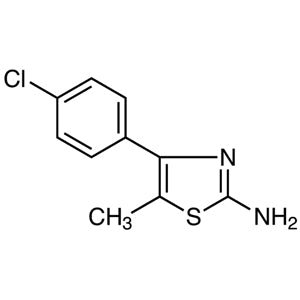
2-Amino-4-(4-chlorophenyl)-5-methylthiazole TCI A3066
Regular price From Rp 1.035.300,00Regular price -
4,5-Dimethylthiazol-2-amine TCI A2916
Regular price From Rp 1.220.100,00Regular price