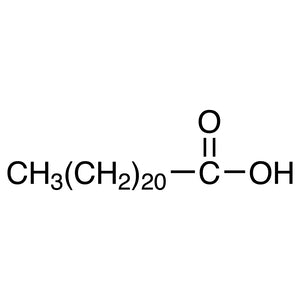
4-Methylnonanoic Acid (45019-28-1) is a versatile organic compound widely used in chemical laboratories for the synthesis of complex molecules. As a building block in organic chemistry, it serves as a foundational component for creating larger molecular structures through various chemical reactions. Its presence in the category of non-heterocyclic building blocks makes it a reliable and predictable material for researchers. This compound is particularly valuable in environments where controlled chemical transformations are required, and its structural simplicity allows for easy modification during synthetic processes.
The chemical properties of 4-Methylnonanoic Acid make it a preferred choice for many applications. Its long carbon chain and carboxylic acid group contribute to its reactivity, enabling it to participate in esterification, amidation, and substitution reactions. The absence of heterocyclic rings simplifies its behavior in chemical reactions, making it easier to predict and control. Additionally, its stability under various reaction conditions enhances its utility in both academic and industrial research settings. These characteristics make it an essential tool for chemists working on the development of new compounds.
In Indonesian laboratories, 4-Methylnonanoic Acid is commonly used in organic chemistry research, compound synthesis, and experimental development. It is a key reagent in academic and industrial settings where the creation of new chemical entities is required. Its availability and reliability make it a popular choice among researchers in Indonesia, supporting a wide range of chemical investigations and innovations.
TCI brochures (PDF)
- Colloidal Quantum Dot (QD) Research Reagents 2026-05-21 · p. 5
- Organic synthesis experiments benefit from 4-Methylnonanoic Acid due to its reactivity and structural versatility, allowing for the creation of complex molecules.
- Esterification reactions often utilize this compound as a starting material, providing a stable and predictable pathway for functional group modification.
- Amidation processes can be efficiently carried out using this acid, making it an essential reagent for the synthesis of amides and related compounds.
- Substitution reactions in laboratory settings rely on its ability to participate in various chemical transformations, offering flexibility in synthetic strategies.
- Research into new chemical compounds frequently incorporates this material due to its adaptability and compatibility with a wide range of reaction conditions.
| Brand | TCI |
|---|---|
| CAS number | 45019-28-1 |
| Molecular formula | — |
| Purity | — |
| Category | Chemistry > Building Blocks > Non-Heterocyclic Building Blocks |
| Pack sizes | Available in standard laboratory quantities |
| Physical form | Solid or liquid, depending on the specific product variant |
| Storage | Store in a cool, dry place away from direct sunlight and moisture |
4-Methylnonanoic Acid should be stored in a cool, dry environment to maintain its chemical integrity. It is recommended to keep it in a sealed container to prevent exposure to moisture and air. For optimal storage, it should be placed in a location away from direct sunlight and heat sources. When handling, it is advisable to use appropriate personal protective equipment to ensure safety. The compound is generally stable under normal laboratory conditions, but care should be taken to avoid contamination and ensure proper ventilation during use.
—
Produk Terkait
-
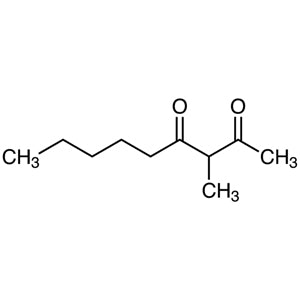
3-Methylnonane-2,4-dione TCI M3277
Regular price From Rp 2.279.550,00Regular priceRp 1.593.900,00Sale price From Rp 2.279.550,00 -
ValericAcid TCI V0003
Regular price From Rp 610.050,00Regular priceRp 426.300,00Sale price From Rp 610.050,00 -
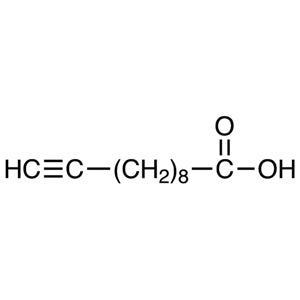
10-UndecynoicAcid TCI U0054
Regular price From Rp 1.060.500,00Regular priceRp 757.050,00Sale price From Rp 1.060.500,00 -
10-UndecenoicAcid TCI U0007
Regular price From Rp 557.550,00Regular priceRp 405.300,00Sale price From Rp 557.550,00 -
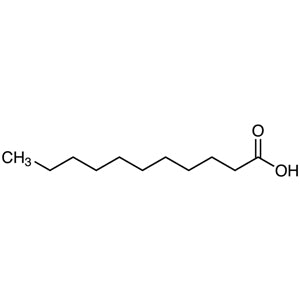
UndecanoicAcid TCI U0004
Regular price From Rp 1.008.000,00Regular priceRp 720.300,00Sale price From Rp 1.008.000,00 -
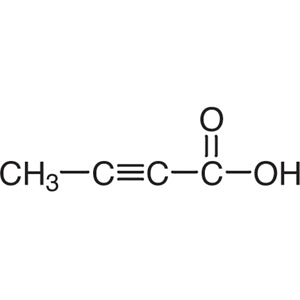
TetrolicAcid TCI T1199
Regular price From Rp 1.192.800,00Regular priceRp 849.450,00Sale price From Rp 1.192.800,00 -
BehenicAcid TCI B1747
Regular price Rp 4.028.850,00Regular priceRp 2.832.900,00Sale price Rp 4.028.850,00 -
BehenicAcid TCI B1248
Regular price From Rp 848.400,00Regular priceRp 609.000,00Sale price From Rp 848.400,00