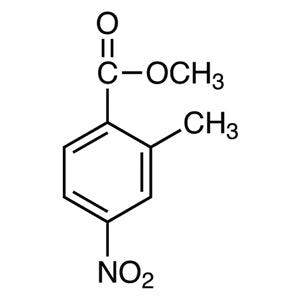
Methyl 2-Methyl-4-nitrobenzoate is a chemical compound widely used in organic synthesis reactions within laboratory settings. It serves as a key building block in the development of various chemical compounds, including pharmaceuticals, industrial chemicals, and food additives. Its molecular structure enables it to participate in multiple chemical reactions, making it a versatile reagent for chemists. This compound is commonly utilized in both academic and industrial research due to its stability and reactivity. Its presence in laboratory workflows supports the creation of complex molecules with specific functional groups.
The compound's chemical properties make it a preferred choice for laboratory applications. It exhibits high polarity due to the nitro group in its molecular structure, which facilitates separation and isolation processes. Its stability under various reaction conditions allows for controlled chemical transformations. Additionally, it is compatible with a range of reagents, including acids, bases, and alkali metals, which enhances its utility in diverse synthetic pathways. These characteristics make it a reliable and efficient reagent in organic chemistry experiments.
In Indonesian laboratories, Methyl 2-Methyl-4-nitrobenzoate is frequently used in organic chemistry research, particularly in academic programs related to chemistry, pharmacy, and food technology. It plays a vital role in the development of new compounds with potential industrial and medical applications. Its availability supports ongoing research and innovation in these fields, contributing to the advancement of scientific knowledge and practical applications.
- Organic synthesis reactions benefit from its reactivity and stability, enabling the creation of complex molecules with precise functional groups.
- Pharmaceutical research utilizes it as a building block for developing new drug compounds with targeted therapeutic effects.
- Industrial chemical production relies on its versatility for synthesizing a wide range of chemical intermediates.
- Food additive development incorporates it in the formulation of compounds with specific functional properties for food applications.
- Analytical chemistry experiments use it as a standard reference material for testing and characterizing other chemical compounds.
| Brand | TCI |
|---|---|
| CAS number | 62621-09-4 |
| Molecular formula | — |
| Purity | — |
| Category | Chemistry > Building Blocks > Non-Heterocyclic Building Blocks |
| Pack sizes | Available in standard laboratory quantities as per supplier specifications |
| Physical form | Solid, crystalline appearance |
| Storage | Store in a cool, dry place away from direct sunlight and moisture |
Methyl 2-Methyl-4-nitrobenzoate should be stored in a cool, dry environment to maintain its chemical stability. It is recommended to keep it in airtight containers to prevent moisture absorption and contamination. Due to its polar nature, it is best stored in glass or polyethylene containers that are resistant to chemical degradation. Laboratory personnel should handle the compound with care, using appropriate personal protective equipment such as gloves and safety goggles. It is important to ensure proper ventilation in the workspace to minimize exposure to vapors. Regular monitoring of storage conditions is advised to maintain the integrity of the compound for optimal use in research applications.
—
Produk Terkait
-
Ethyl5-Bromo-2-chlorobenzoate TCI B2255
Regular price From Rp 928.200,00Regular price -
Methyl2-Bromo-5-nitrobenzoate TCI B1916
Regular price From Rp 610.050,00Regular price -
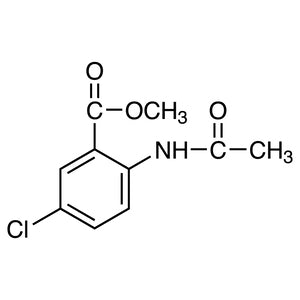
Methyl2-Acetamido-5-chlorobenzoate TCI A1609
Regular price Rp 769.650,00Regular price -
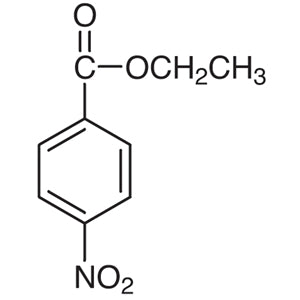
Ethyl4-Nitrobenzoate TCI N0485
Regular price Rp 743.400,00Regular price -
Methyl4-Nitrobenzoate TCI N0159
Regular price Rp 1.298.850,00Regular price -
Methyl2-Nitrobenzoate TCI N0158
Regular price Rp 1.115.100,00Regular price -
Methyl3-Nitrobenzoate TCI N0157
Regular price Rp 980.700,00Regular price -
Methyl4-Hydroxy-3-nitrobenzoate TCI M3649
Regular price From Rp 848.400,00Regular price