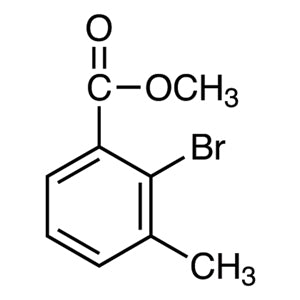
Methyl 2-Bromo-3-methylbenzoate is a chemical compound widely used as a building block in organic synthesis. It is a versatile reagent that plays a crucial role in the development of complex organic molecules. Its aromatic structure, combined with bromo and methyl substituents, allows it to participate in various chemical reactions such as substitution, elimination, and nucleophilic reactions. This makes it an essential material for chemists working in research and development environments. Its chemical stability and predictable reactivity make it a reliable choice for precise chemical processes.
The compound is favored for its well-defined chemical properties and consistent performance in laboratory settings. Its molecular structure ensures compatibility with a wide range of synthetic pathways, enabling chemists to achieve desired outcomes with greater control. The compound's ability to participate in multiple reaction types enhances its utility in both academic and industrial research. Its predictable behavior under various reaction conditions also contributes to its popularity among researchers.
In Indonesian laboratories, Methyl 2-Bromo-3-methylbenzoate is extensively used in organic chemistry research. It is commonly found in studies related to the synthesis of bioactive compounds, pharmaceuticals, and industrial chemicals. Its availability in solid form and its ability to undergo various chemical transformations make it a preferred choice for researchers. Its role in advancing chemical synthesis and supporting scientific innovation is well recognized in the Indonesian scientific community.
Related TCI products
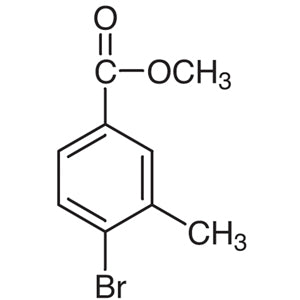
- TCI B2256 148547-19-7 Methyl 4-Bromo-3-methylbenzoate
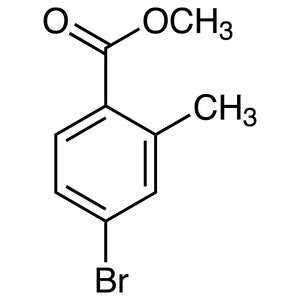
- TCI M3630 99548-55-7 Methyl 4-Bromo-2-methylbenzoate
- TCI M2543 99548-54-6 Methyl 3-Bromo-2-methylbenzoate
- TCI M2542 79669-50-4 Methyl 5-Bromo-2-methylbenzoate
- TCI M2181 104901-43-1 Methyl 3-Bromo-4-methylbenzoate
- TCI E1036 160313-69-9 Ethyl 4-Bromo-3-methylbenzoate
- Organic synthesis applications benefit from its aromatic structure and reactivity, allowing for the creation of complex molecules with high precision.
- Pharmaceutical research utilizes this compound as a key intermediate in the development of bioactive compounds and drug candidates.
- Industrial chemical production relies on its stability and predictable behavior to ensure consistent results in large-scale manufacturing.
- Bioactive compound synthesis leverages its chemical versatility to create molecules with specific biological activities.
- Academic research in chemistry uses it as a fundamental building block for exploring new synthetic methodologies and reaction mechanisms.
| Brand | TCI |
|---|---|
| CAS number | 131001-86-0 |
| Molecular formula | — |
| Purity | — |
| Category | Chemistry > Building Blocks > Non-Heterocyclic Building Blocks |
| Pack sizes | Available in various quantities as per standard laboratory supply |
| Physical form | Solid |
| Storage | Store in a cool, dry place away from light and moisture |
Methyl 2-Bromo-3-methylbenzoate should be stored in a cool, dry environment to maintain its chemical integrity. It is recommended to keep it in a sealed container to prevent exposure to moisture and air. The compound should be stored away from direct sunlight and heat sources to avoid degradation. Suitable containers include glass or high-density polyethylene (HDPE) bottles with proper closures. Laboratory personnel should handle the compound with care, using appropriate personal protective equipment such as gloves and safety goggles. It is important to ensure good ventilation when working with this material to minimize inhalation risks. Proper storage and handling practices help maintain the compound's effectiveness and safety in laboratory settings.
—
Produk Terkait
-
Methyl4-Bromo-3-methylbenzoate TCI B2256
Regular price From Rp 903.000,00Regular price -
Methyl4-Bromo-2-methylbenzoate TCI M3630
Regular price From Rp 1.936.200,00Regular price -
Methyl3-Bromo-2-methylbenzoate TCI M2543
Regular price From Rp 1.696.800,00Regular price -
Methyl5-Bromo-2-methylbenzoate TCI M2542
Regular price From Rp 452.550,00Regular price -
Methyl3-Bromo-4-methylbenzoate TCI M2181
Regular price From Rp 1.115.100,00Regular price -
Ethyl4-Bromo-3-methylbenzoate TCI E1036
Regular price From Rp 795.900,00Regular price -
tert-Butyl4-Formylbenzoate TCI B5414
Regular price From Rp 4.797.450,00Regular price -
Methyl2-Benzoylbenzoate TCI B1231
Regular price From Rp 903.000,00Regular price