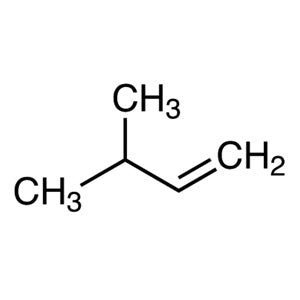
3-Methyl-1-butene is an organic compound widely used in chemical synthesis and scientific research. It serves as a key building block in the development of complex molecules, particularly in the synthesis of aromatic and aliphatic compounds. This material is commonly found in laboratory settings where researchers require reagents with high reactivity and versatility. Its unique molecular structure enables it to participate in various chemical reactions, including addition, substitution, and polymerization, making it an essential tool for chemists and researchers.
The compound’s properties make it a preferred choice for laboratory applications. It has a controlled concentration of 15% in dichloromethane and a concentration of 2.5 mol/L, ensuring stability and ease of use in chemical reactions. Its moderate reactivity allows for predictable outcomes in different experimental conditions, while its solubility in organic solvents enhances its applicability in a wide range of synthetic processes. These characteristics contribute to its reliability and efficiency in both academic and industrial research environments.
In Indonesian laboratories, 3-Methyl-1-butene is frequently used in chemical research and development. It plays a vital role in the synthesis of various organic compounds and is a common reagent in both educational and industrial settings. Its availability through suppliers like AMI Scientific ensures that researchers have access to this essential material for their experiments and studies.
TCI brochures (PDF)
- Safely Handleable Volatile Solutions 2024-05-02 · p. 1
- DualSeal ― Airtight-Double-Cap Bottled Reagents 2024-08-13 · p. 4
- Monomers 2025-05-28 · p. 12
Related TCI products
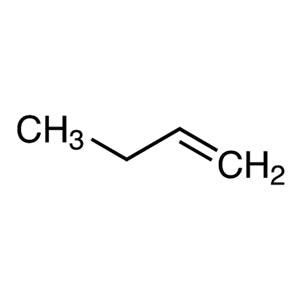
- TCI B6534 106-98-9 1-Butene (ca. 3% in Dichloromethane, ca. 0.7 mol/L)
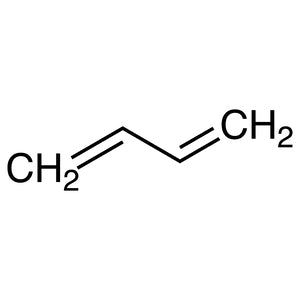
- TCI B6532 106-99-0 1,3-Butadiene (ca. 6% in Dichloromethane, ca. 1.5 mol/L)
- TCI M2565 563-45-1 3-Methyl-1-butene (ca 125% in Tetrahydrofuran, ca 15mol/L)
- TCI B6535 106-98-9 1-Butene (ca. 8% in Tetrahydrofuran, ca. 1.3 mol/L)
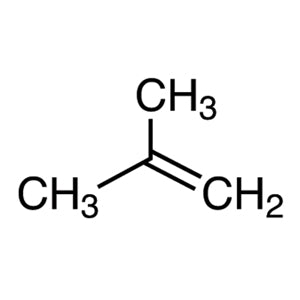
- TCI I0909 115-11-7 Isobutene (ca. 8% in Dichloromethane)
- TCI M0177 563-45-1 3-Methyl-1-butene (in cylinder without valve) [To use this product charged in cylinder, a valve is required which is sold separately (Product Code:V0030)]
- Chemical synthesis of aromatic and aliphatic compounds due to its reactivity and versatility in organic reactions.
- Use in polymerization processes where controlled reactivity is essential for forming complex molecular structures.
- Application in substitution reactions where the compound acts as a reactive intermediate in synthetic pathways.
- Utilization in educational laboratories for teaching organic chemistry principles and reaction mechanisms.
- Support for industrial research and development in the production of specialty chemicals and pharmaceutical intermediates.
| Brand | TCI |
|---|---|
| CAS number | 563-45-1 |
| Molecular formula | — |
| Purity | — |
| Category | Chemistry > Building Blocks > Non-Heterocyclic Building Blocks |
| Pack sizes | — |
| Physical form | Liquid |
| Storage | Store in a cool, dry place away from direct sunlight and incompatible materials |
3-Methyl-1-butene should be stored in a cool, dry location, away from direct sunlight and sources of heat. It is recommended to keep the container tightly sealed to prevent evaporation and contamination. The compound is best stored in airtight, non-reactive containers such as glass or high-density polyethylene to ensure chemical stability. Due to its reactivity, it should be handled with care, and appropriate personal protective equipment should be worn when working with it. Avoid exposure to high temperatures or moisture, as these conditions can affect its stability and performance in laboratory applications. Always ensure proper ventilation when handling this compound to minimize any potential risks associated with its use.
—
Produk Terkait
-
1-Butene(ca.3%inDichloromethane,ca.0.7mol/L) TCI B6534
Regular price From Rp 980.700,00Regular priceRp 685.650,00Sale price From Rp 980.700,00 -
1,3-Butadiene(ca.6%inDichloromethane,ca.1.5mol/L) TCI B6532
Regular price From Rp 1.405.950,00Regular priceRp 982.800,00Sale price From Rp 1.405.950,00 -
3-Methyl-1-butene(ca125%inTetrahydrofuran,ca15mol/L) TCI M2565
Regular price From Rp 1.538.250,00Regular priceRp 1.075.200,00Sale price From Rp 1.538.250,00 -
1-Butene(ca.8%inTetrahydrofuran,ca.1.3mol/L) TCI B6535
Regular price From Rp 980.700,00Regular priceRp 685.650,00Sale price From Rp 980.700,00 -
Isobutene(ca.8%inDichloromethane) TCI I0909
Regular price From Rp 1.060.500,00Regular priceRp 741.300,00Sale price From Rp 1.060.500,00 -
3-Methyl-1-butene(incylinderwithoutvalve)[Tousethisproductchargedincylinder,avalveisrequiredwhichissoldseparately(ProductCode:V0030)] TCI M0177
Regular price Rp 5.274.150,00Regular priceRp 3.687.600,00Sale price Rp 5.274.150,00 -
1-Butene(ca.10%inToluene) TCI B4411
Regular price From Rp 980.700,00Regular priceRp 685.650,00Sale price From Rp 980.700,00 -
1-Butene(ca.10%inHexane) TCI B4410
Regular price From Rp 955.500,00Regular priceRp 667.800,00Sale price From Rp 955.500,00