3-Methylpyrazole-5-carboxylic Acid is a chemical compound widely used as a building block in the synthesis of heterocyclic compounds. Its molecular structure plays a crucial role in the development of complex organic molecules, making it an essential component in various chemical processes. In the laboratory, this compound serves as a versatile reagent that enables the creation of a wide range of functional derivatives, supporting both academic and industrial research. Its presence in chemical synthesis allows for the exploration of new molecular structures with potential applications in multiple scientific fields.
This compound is valued for its chemical stability and its ability to participate in a variety of reactions, including substitution, condensation, and redox processes. Its specific molecular structure allows for selective interactions with other reagents, enhancing the efficiency of synthetic pathways. These properties make it a preferred choice for chemists aiming to design and synthesize complex molecules with tailored functionalities. The compound's versatility and reliability contribute to its widespread use in both research and development settings.
In Indonesian laboratories, 3-Methylpyrazole-5-carboxylic Acid is commonly used in pharmaceutical and material science research. It is a key reagent in the development of new compounds with potential medical or industrial applications. Its availability and reliability make it an important tool for researchers working on innovative chemical projects. The compound supports the advancement of scientific knowledge and the creation of new materials and drug candidates.
Related TCI products
- TCI M2642 25016-20-0 1-Methylpyrazole-3-carboxylic Acid
- TCI M2494 16034-46-1 1-Methylpyrazole-5-carboxylic Acid
- TCI M2224 5952-92-1 1-Methylpyrazole-4-carboxylic Acid
- TCI E1228 50920-65-5 1-Ethyl-3-methylpyrazole-5-carboxylic Acid
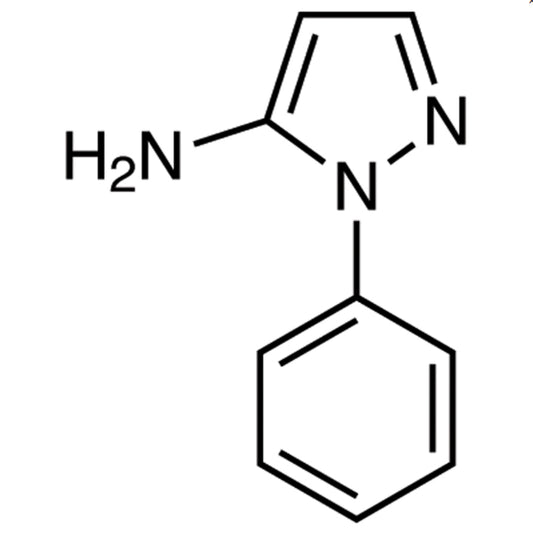
- TCI A0174 826-85-7 5-Amino-1-phenylpyrazole
- TCI T2724 1072-91-9 1,3,5-Trimethylpyrazole
- Pharmaceutical research utilizes this compound for the synthesis of novel drug candidates due to its ability to form complex heterocyclic structures.
- Organic chemistry studies benefit from its role in creating functional derivatives through various chemical reactions.
- Material science applications leverage its structural properties to develop advanced polymers and specialty chemicals.
- Analytical chemistry experiments use it as a reference standard for identifying and quantifying heterocyclic compounds.
- Industrial chemical processes incorporate it as a building block for the production of specialty chemicals and intermediates.
| Brand | TCI |
|---|---|
| CAS number | 402-61-9 |
| Molecular formula | — |
| Purity | — |
| Category | Chemistry > Building Blocks > Heterocyclic Building Blocks |
| Pack sizes | Available in various quantities as per supplier specifications |
| Physical form | Solid, typically in crystalline form |
| Storage | Store in a cool, dry place away from direct sunlight |
This compound should be stored in a cool, dry environment to maintain its chemical stability. It is recommended to keep it in a tightly sealed container to prevent moisture absorption and contamination. Due to its chemical nature, it should be stored away from incompatible substances such as strong oxidizers or acids. Proper ventilation is essential when handling the compound to minimize exposure. Laboratory personnel should wear appropriate personal protective equipment, including gloves and safety goggles, to ensure safe handling. Regular monitoring of storage conditions is advised to maintain the integrity of the material.
—
Produk Terkait
-
1-Methylpyrazole-3-carboxylicAcid TCI M2642
Regular price From Rp 823.200,00Regular price -
1-Methylpyrazole-5-carboxylicAcid TCI M2494
Regular price From Rp 1.378.650,00Regular price -
1-Methylpyrazole-4-carboxylicAcid TCI M2224
Regular price From Rp 610.050,00Regular price -
1-Ethyl-3-methylpyrazole-5-carboxylicAcid TCI E1228
Regular price From Rp 1.167.600,00Regular price -
5-Amino-1-phenylpyrazole TCI A0174
Regular price From Rp 4.373.250,00Regular price -
1,3,5-Trimethylpyrazole TCI T2724
Regular price From Rp 717.150,00Regular price -
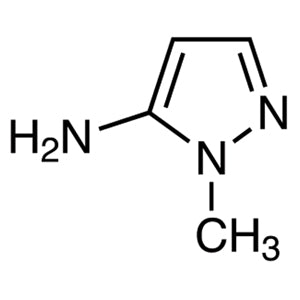
5-Amino-1-methylpyrazole TCI A3303
Regular price From Rp 1.803.900,00Regular price -
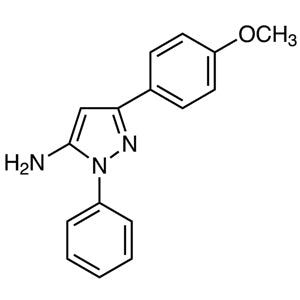
5-Amino-3-(4-methoxyphenyl)-1-phenylpyrazole TCI A3055
Regular price From Rp 1.087.800,00Regular price