


(1-Methyl-1H-pyrazol-5-yl)boronic Acid is a chemical compound widely used in laboratory settings for its role in organometallic reactions. This reagent contains a boronic acid group attached to a pyrazol ring, making it a valuable component in the synthesis of complex organic molecules. Its unique structure allows it to participate in various chemical transformations, particularly in coupling reactions that are essential for building molecular frameworks. This compound is commonly found in synthetic chemistry workflows where the formation of carbon-carbon bonds is required.
The compound’s reactivity and compatibility with transition metals make it a preferred choice for researchers. Its ability to form stable complexes with metals under specific conditions enhances its utility in catalytic processes. The presence of the boronic acid group also contributes to its versatility, enabling it to act as a nucleophile or electrophile depending on the reaction conditions. These properties make it a reliable and effective reagent in both academic and industrial research environments.
In Indonesian laboratories, (1-Methyl-1H-pyrazol-5-yl)boronic Acid is frequently used in organic chemistry research. It plays a key role in the development of new compounds and the study of molecular structures. Its application extends to projects focused on the synthesis of bioactive molecules, including pharmaceuticals and industrial chemicals. The compound’s importance in coupling reactions, such as Suzuki and Stille, further solidifies its position as a critical reagent in modern synthetic chemistry.
Related TCI products
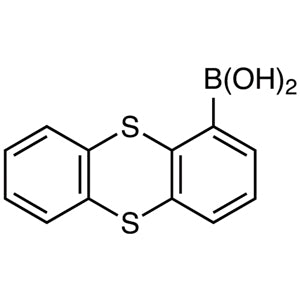
- TCI T3706 108847-76-3 1-Thianthrenylboronic Acid (contains varying amounts of Anhydride)
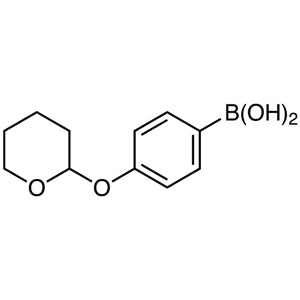
- TCI T3325 182281-01-2 4-(Tetrahydro-2H-pyran-2-yloxy)phenylboronic Acid (contains varying amounts of Anhydride)
- TCI T2621 160032-40-6 Thieno[3,2-b]thiophene-2-boronic Acid (contains varying amounts of Anhydride)
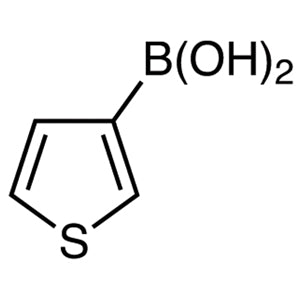
- TCI T1975 6165-69-1 3-Thiopheneboronic Acid (contains varying amounts of Anhydride)
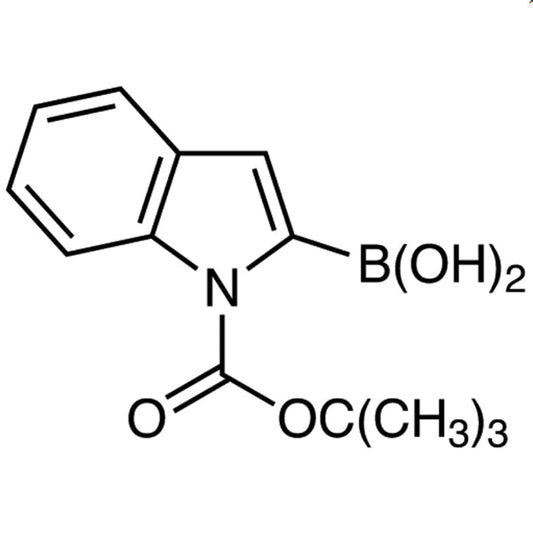
- TCI B5145 213318-44-6 1-(tert-Butoxycarbonyl)indole-2-boronic Acid (contains varying amounts of Anhydride)
- TCI B4774 113893-08-6 Benzo[b]thiophene-3-boronic Acid (contains varying amounts of Anhydride)
- Suzuki Coupling Reactions: This reagent is ideal for Suzuki coupling due to its compatibility with palladium catalysts and its ability to form stable aryl-boron intermediates.
- Stille Coupling Applications: It is frequently used in Stille coupling to facilitate the formation of carbon-carbon bonds in complex organic molecules.
- Organic Synthesis of Aromatic Compounds: Its structure enables it to participate in the synthesis of aromatic compounds with high efficiency and selectivity.
- Development of Bioactive Molecules: Researchers use it to create compounds with potential pharmaceutical or industrial applications through targeted synthetic pathways.
- Structural Studies of Organic Molecules: It is employed in the investigation of molecular structures due to its reactivity and ability to form diverse chemical bonds.
| Brand | TCI |
|---|---|
| CAS number | 720702-41-0 |
| Molecular formula | — |
| Purity | — |
| Category | Chemistry > Organometallic Reagents > Organoboron |
| Pack sizes | Varies as per supplier |
| Physical form | Solid |
| Storage | Store in a cool, dry place away from moisture and direct sunlight |
This compound should be stored in a cool, dry environment to maintain its chemical integrity. It is recommended to keep it in a sealed container to prevent exposure to moisture, which can affect its reactivity. Due to its potential reactivity with certain substances, it should be handled in a well-ventilated area and stored away from incompatible materials. Laboratory personnel should wear appropriate personal protective equipment, such as gloves and safety goggles, when handling this reagent. Proper storage conditions ensure the material remains stable and effective for use in various synthetic processes.
—
Produk Terkait
-
1-ThianthrenylboronicAcid(containsvaryingamountsofAnhydride) TCI T3706
Regular price From Rp 610.050,00Regular price -
4-(Tetrahydro-2H-pyran-2-yloxy)phenylboronicAcid(containsvaryingamountsofAnhydride) TCI T3325
Regular price From Rp 1.776.600,00Regular price -
Thieno[3,2-b]thiophene-2-boronicAcid(containsvaryingamountsofAnhydride) TCI T2621
Regular price Rp 5.830.650,00Regular price -
3-ThiopheneboronicAcid(containsvaryingamountsofAnhydride) TCI T1975
Regular price From Rp 823.200,00Regular price -
1-(tert-Butoxycarbonyl)indole-2-boronicAcid(containsvaryingamountsofAnhydride) TCI B5145
Regular price Rp 2.411.850,00Regular price -
Benzo[b]thiophene-3-boronicAcid(containsvaryingamountsofAnhydride) TCI B4774
Regular price From Rp 1.220.100,00Regular price -
1,4-Benzodioxane-6-boronicAcid(containsvaryingamountsofAnhydride) TCI B4181
Regular price Rp 3.551.100,00Regular price -
1-(tert-Butoxycarbonyl)-2-pyrroleboronicAcid(containsvaryingamountsofAnhydride) TCI B4063
Regular price From Rp 1.644.300,00Regular price

![160032-40-6 Thieno[3,2-b]thiophene-2-boronic Acid (contains varying amounts of Anhydride) - AMI Scientific](http://amiscientific.com/cdn/shop/files/TCI2510T2621.jpg?v=1768206488&width=533)

![113893-08-6 Benzo[b]thiophene-3-boronic Acid (contains varying amounts of Anhydride) - AMI Scientific](http://amiscientific.com/cdn/shop/files/TCI2510B4774_65b85fee-ce4d-45b9-ad87-4962d8f3452c.jpg?v=1767853515&width=533)

