TCI M2835 20754-20-5 Methyl (E)-3-(p-Tolyl)acrylate is a chemical compound widely used in laboratory settings for organic synthesis. As an ester of acrylic acid, it serves as a versatile building block in the creation of complex organic molecules. This compound is commonly employed in chemical research to facilitate reactions such as polymerization, substitution, and nucleophilic reactions. Its role in the laboratory is critical for the development of new materials and pharmaceutical compounds. Due to its reactivity and structural stability, it is a valuable tool for chemists working on various synthetic pathways.
The compound’s non-polar nature makes it compatible with a range of organic solvents, including ethyl acetate and toluene, enhancing its utility in diverse experimental conditions. Its high reactivity and ability to participate in multiple chemical reactions make it a preferred choice for researchers. Additionally, its stable molecular structure ensures consistent performance across different applications. These properties make it an essential component in both academic and industrial chemical research.
In Indonesian laboratories, this compound is frequently used in both fundamental and applied chemical research. It is particularly popular in pharmaceutical and organic chemistry sectors due to its role in synthesizing complex molecules. Its availability and effectiveness in various reactions make it a reliable choice for researchers aiming to develop new compounds or materials. The compound’s versatility and chemical properties support its widespread use in chemical synthesis processes.
Related TCI products
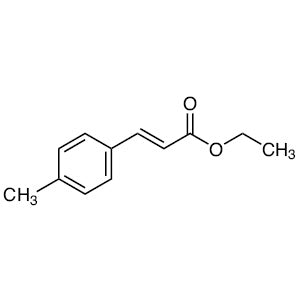
- TCI E1471 24393-49-5 Ethyl (E)-3-(p-Tolyl)acrylate
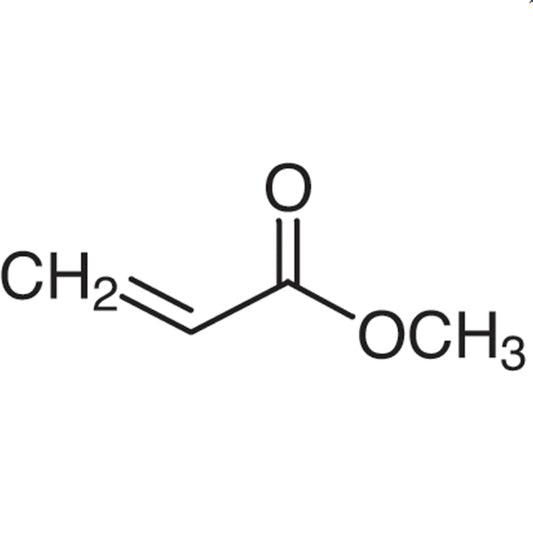
- TCI A0145 96-33-3 Methyl Acrylate (stabilized with MEHQ)
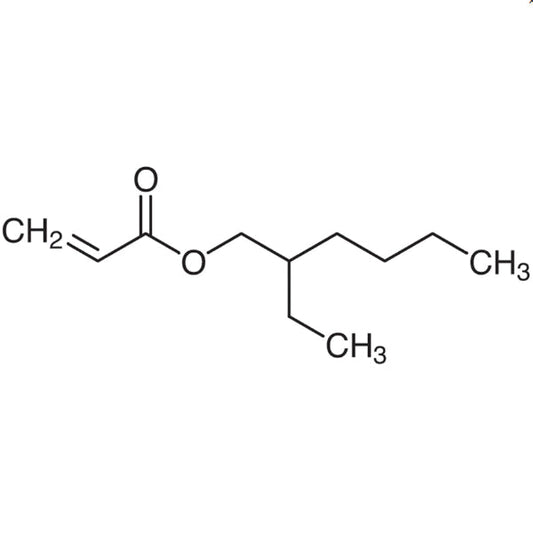
- TCI A0144 103-11-7 2-Ethylhexyl Acrylate Monomer (stabilized with MEHQ)
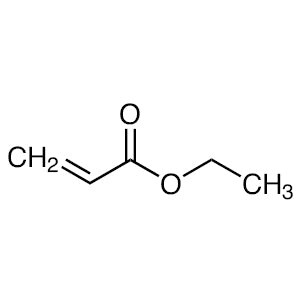
- TCI A0143 140-88-5 Ethyl Acrylate (stabilized with MEHQ)
- TCI A0142 141-32-2 Butyl Acrylate (stabilized with MEHQ)
- TCI U0117 31098-20-1 3-Sulfopropyl Acrylate Potassium Salt
- Organic synthesis is a key application where this compound serves as a building block for creating complex molecules due to its reactivity and structural versatility.
- Polymerization reactions benefit from this compound’s ability to participate in chain-growth processes, making it useful in the development of new polymer materials.
- Pharmaceutical research utilizes this compound for the synthesis of drug molecules, as it can be modified through various chemical reactions to produce desired compounds.
- Analytical chemistry applications rely on its stability and solubility properties, allowing it to be used as a standard or reagent in various analytical procedures.
- Industrial chemical production uses this compound for the creation of specialty chemicals, leveraging its reactivity and compatibility with organic solvents.
| Brand | TCI |
|---|---|
| CAS number | 20754-20-5 |
| Molecular formula | — |
| Purity | — |
| Category | Chemistry > Building Blocks > Non-Heterocyclic Building Blocks |
| Pack sizes | Available in various quantities as per standard laboratory supply formats |
| Physical form | Liquid |
| Storage | Store in a cool, dry place away from direct sunlight and incompatible materials |
This compound should be stored in a cool, dry environment, away from direct sunlight and sources of heat. It is recommended to keep it in a sealed container to prevent evaporation and contamination. Due to its chemical nature, it should be stored separately from strong oxidizing agents and reactive materials. Proper ventilation should be maintained in the storage area to minimize exposure to vapors. The container should be made of a material compatible with organic solvents to ensure long-term stability. Regular inspection of the storage conditions and container integrity is advised to maintain the compound’s quality and safety.
—
Product Categories
Produk Terkait
-
Ethyl(E)-3-(p-Tolyl)acrylate TCI E1471
Regular price From Rp 1.696.800,00Regular price -
MethylAcrylate(stabilizedwithMEHQ) TCI A0145
Regular price From Rp 477.750,00Regular price -
2-EthylhexylAcrylateMonomer(stabilizedwithMEHQ) TCI A0144
Regular price From Rp 505.050,00Regular price -
EthylAcrylate(stabilizedwithMEHQ) TCI A0143
Regular price From Rp 477.750,00Regular price -
ButylAcrylate(stabilizedwithMEHQ) TCI A0142
Regular price From Rp 505.050,00Regular price -
3-SulfopropylAcrylatePotassiumSalt TCI U0117
Regular price Rp 1.565.550,00Regular price -
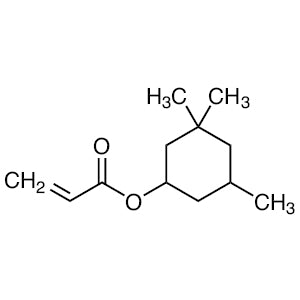
3,3,5-TrimethylcyclohexylAcrylate(cis-andtrans-mixture)(stabilizedwithMEHQ) TCI T3984
Regular price From Rp 1.510.950,00Regular price -
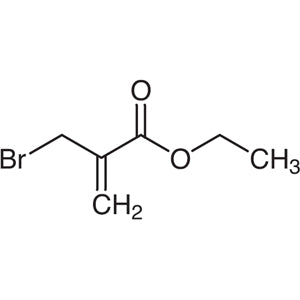
Ethyl2-(Bromomethyl)acrylate(stabilizedwithHQ) TCI B1820
Regular price From Rp 2.016.000,00Regular price