Ethyl 2-(Bromomethyl)acrylate (stabilized with HQ), also known as TCI B1820, is a versatile chemical compound widely used in organic synthesis within laboratory settings. This compound serves as a key building block in the creation of complex organic molecules, particularly in reactions involving substitution and addition mechanisms. Its structural characteristics make it an essential reagent for chemists working on a variety of synthetic pathways. Due to its reactivity, it is commonly employed in the development of heterocyclic compounds, polymers, and pharmaceuticals.
The compound's reactivity is balanced by the inclusion of hydroquinone (HQ) as a stabilizer, which prevents degradation through oxidation. This stabilization ensures the compound remains effective over extended periods, reducing the risk of side reactions. The presence of HQ also enhances the compound’s shelf life, making it a reliable choice for researchers who require consistent performance in their experiments. Its stability and reactivity make it suitable for a wide range of chemical processes, contributing to its popularity in both academic and industrial research environments.
In Indonesian laboratories, Ethyl 2-(Bromomethyl)acrylate is extensively used in organic chemistry research, especially in pharmaceutical and material science fields. It is a common reagent in university laboratories and research institutions, supporting the development of new compounds and materials. Its role in synthesis and modification reactions makes it an indispensable tool for chemists working on innovative projects. The compound’s stability and reactivity ensure its continued use in various applications, contributing to the advancement of scientific research in Indonesia.
Related TCI products
- Organic synthesis is a primary application where this compound is used to create complex molecules through substitution and addition reactions.
- Polymer development benefits from its reactivity, allowing for the formation of various polymer structures through copolymerization.
- Pharmaceutical research utilizes this compound as a building block for the synthesis of drug molecules and active pharmaceutical ingredients.
- Material science applications involve the modification of molecular structures to create new materials with specific properties.
- Heterocyclic compound synthesis relies on this reagent to form ring structures essential in many organic compounds.
| Brand | TCI |
|---|---|
| CAS number | 17435-72-2 |
| Molecular formula | — |
| Purity | — |
| Category | Chemistry > Building Blocks > Non-Heterocyclic Building Blocks |
| Pack sizes | Available in standard laboratory quantities as specified by supplier |
| Physical form | Liquid |
| Storage | Store in a cool, dark place away from heat and light |
Ethyl 2-(Bromomethyl)acrylate should be stored in a cool, dark location to maintain its stability and prevent degradation. It is recommended to keep the compound in a tightly sealed container to minimize exposure to air and moisture. Due to its reactivity, it should be handled in a well-ventilated area, and appropriate personal protective equipment should be worn when working with it. The presence of hydroquinone as a stabilizer helps reduce the risk of oxidation, but care should still be taken to avoid prolonged exposure to heat or light. This compound is best stored in a controlled environment to ensure its effectiveness and safety in laboratory settings.
—
Produk Terkait
-
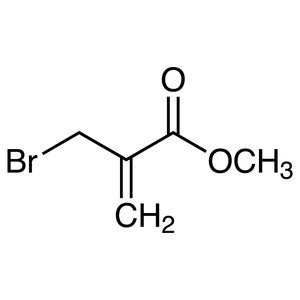
Methyl2-(Bromomethyl)acrylate TCI M2067
Regular price From Rp 2.147.250,00Regular priceRp 1.517.250,00Sale price From Rp 2.147.250,00 -
2-(Bromomethyl)acrylicAcid TCI B4048
Regular price From Rp 3.870.300,00Regular priceRp 2.721.600,00Sale price From Rp 3.870.300,00 -
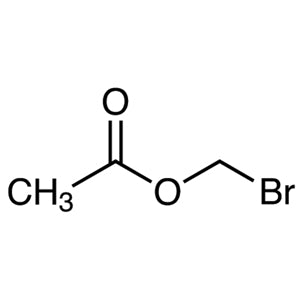
BromomethylAcetate TCI B3907
Regular price From Rp 2.227.050,00Regular priceRp 1.557.150,00Sale price From Rp 2.227.050,00 -
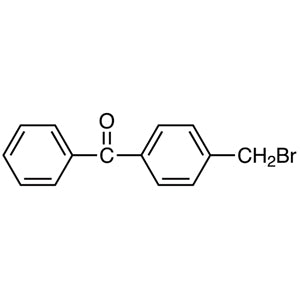
4-(Bromomethyl)benzophenone TCI B3840
Regular price Rp 5.855.850,00Regular priceRp 4.110.750,00Sale price Rp 5.855.850,00 -
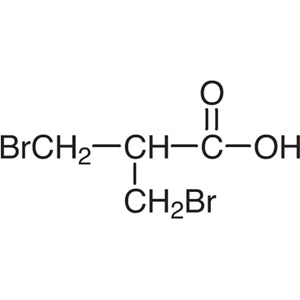
3-Bromo-2-(bromomethyl)propionicAcid TCI B3081
Regular price From Rp 1.563.450,00Regular priceRp 1.108.800,00Sale price From Rp 1.563.450,00 -
Methyl3-(Bromomethyl)benzoate TCI B2224
Regular price From Rp 1.908.900,00Regular priceRp 1.350.300,00Sale price From Rp 1.908.900,00 -
2-[4-(Bromomethyl)phenyl]propionicAcid TCI B2101
Regular price From Rp 557.550,00Regular priceRp 405.300,00Sale price From Rp 557.550,00 -
Methyl4-(Bromomethyl)benzoate TCI B2053
Regular price From Rp 1.405.950,00Regular priceRp 998.550,00Sale price From Rp 1.405.950,00