

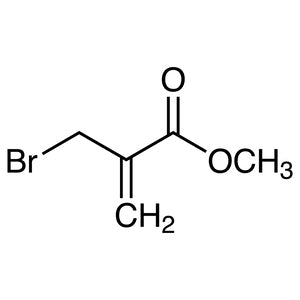
Methyl 2-(Bromomethyl)acrylate is a chemical compound widely used as a building block in organic synthesis. It serves as a versatile reagent in laboratory settings, enabling the creation of complex organic molecules through various chemical reactions. This compound contains both acrylate and bromomethyl functional groups, which contribute to its reactivity and utility in chemical transformations. Its role in the laboratory is critical for researchers working in organic chemistry and pharmaceutical development, where it is employed to construct new molecular structures with specific functional properties.
The compound's reactivity is enhanced by its ability to participate in substitution, addition, and polymerization reactions. Its solubility in organic solvents such as ethyl acetate and acetone further supports its use in diverse synthetic pathways. Additionally, its stability under controlled conditions allows for safe storage and extended use in laboratory experiments. These properties make it a preferred choice for chemists seeking reliable and effective reagents for their synthetic processes.
In Indonesian laboratories, Methyl 2-(Bromomethyl)acrylate is commonly used in organic chemistry research, particularly in the development of new compounds with applications in pharmaceuticals, materials science, and chemical industries. It is a favored material for researchers aiming to synthesize compounds with tailored properties, making it an essential component in many experimental protocols.
Related TCI products
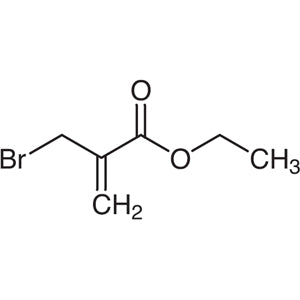
- TCI B1820 17435-72-2 Ethyl 2-(Bromomethyl)acrylate (stabilized with HQ)
- TCI B4048 72707-66-5 2-(Bromomethyl)acrylic Acid
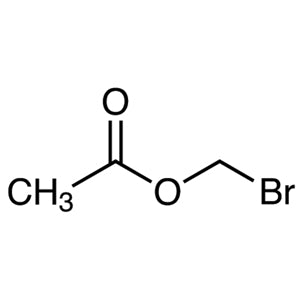
- TCI B3907 590-97-6 Bromomethyl Acetate
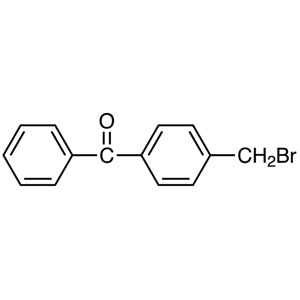
- TCI B3840 32752-54-8 4-(Bromomethyl)benzophenone
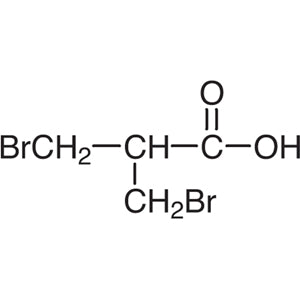
- TCI B3081 41459-42-1 3-Bromo-2-(bromomethyl)propionic Acid
- TCI B2224 1129-28-8 Methyl 3-(Bromomethyl)benzoate
- Organic synthesis is a primary application where this compound is used to build complex molecules through various reaction mechanisms.
- Pharmaceutical research benefits from its reactivity, allowing the synthesis of drug-related compounds with specific functional groups.
- Material science applications utilize its ability to form polymers, contributing to the development of new polymer-based materials.
- Chemical engineering projects often incorporate this compound for its role in polymerization reactions and functional group modifications.
- Analytical chemistry uses it as a standard in reaction testing and as a reagent for functional group analysis in compound characterization.
| Brand | TCI |
|---|---|
| CAS number | 4224-69-5 |
| Molecular formula | — |
| Purity | — |
| Category | Chemistry > Building Blocks > Non-Heterocyclic Building Blocks |
| Pack sizes | Available in standard laboratory quantities |
| Physical form | Liquid |
| Storage | Store in a cool, dry place away from light and incompatible materials |
This compound should be stored in a cool, dry environment, away from direct sunlight and sources of heat. It is recommended to keep it in a sealed container to prevent exposure to air and moisture. Due to its reactivity, it should be handled with care and stored separately from incompatible substances such as strong oxidizers or bases. Appropriate personal protective equipment, including gloves and safety goggles, should be worn when handling the material. Regular monitoring of storage conditions is advised to ensure the compound remains stable and safe for use in laboratory settings.
—
Produk Terkait
-
Ethyl2-(Bromomethyl)acrylate(stabilizedwithHQ) TCI B1820
Regular price From Rp 2.016.000,00Regular price -
2-(Bromomethyl)acrylicAcid TCI B4048
Regular price From Rp 3.817.800,00Regular price -
BromomethylAcetate TCI B3907
Regular price From Rp 2.227.050,00Regular price -
4-(Bromomethyl)benzophenone TCI B3840
Regular price Rp 5.803.350,00Regular price -
3-Bromo-2-(bromomethyl)propionicAcid TCI B3081
Regular price From Rp 1.510.950,00Regular price -
Methyl3-(Bromomethyl)benzoate TCI B2224
Regular price From Rp 1.856.400,00Regular price -
2-[4-(Bromomethyl)phenyl]propionicAcid TCI B2101
Regular price From Rp 505.050,00Regular price -
Methyl4-(Bromomethyl)benzoate TCI B2053
Regular price From Rp 1.353.450,00Regular price


![111128-12-2 2-[4-(Bromomethyl)phenyl]propionic Acid - AMI Scientific](http://amiscientific.com/cdn/shop/files/TCI2510B2101_3164fa18-db8c-41f7-9c31-4bf45a41bebb.jpg?v=1767335146&width=533)
