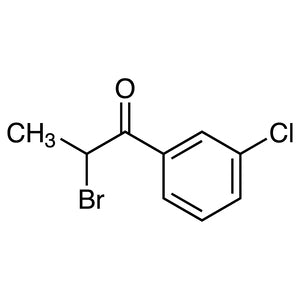
Methyl 3-(4-Chlorophenyl)propiolate is a chemical compound widely used in organic synthesis reactions within laboratory settings. As a building block in chemical synthesis, it serves as a foundational component for the creation of more complex molecules. This compound is particularly valued for its structural versatility and compatibility with various reaction mechanisms. Its presence in the chemical inventory of research facilities ensures that scientists have access to a reliable and effective reagent for their experimental needs.
The compound’s stability and controlled reactivity make it a preferred choice for laboratory applications. Its molecular structure, which includes an ester group connected to a chlorinated aromatic ring, allows for predictable chemical behavior in different reaction conditions. This characteristic enables chemists to design and execute reactions with greater precision. The absence of heterocyclic components also contributes to its reliability in synthetic pathways that require structural stability.
In Indonesian laboratories, this compound is commonly used in academic and research institutions. It supports a wide range of chemical experiments, including substitution reactions, esterification processes, and other organic transformations. Its application in both educational and research environments enhances the scope of chemical investigations and contributes to the advancement of scientific knowledge.
- Organic synthesis reactions benefit from the compound’s structural versatility and predictable reactivity, making it ideal for creating complex molecules.
- Esterification processes can utilize this compound as a key reagent due to its ester group, facilitating the formation of ester derivatives.
- Substitution reactions often employ this material because of its chlorinated aromatic ring, which can participate in electrophilic or nucleophilic substitution.
- Research in medicinal chemistry may use this compound as a building block for developing new pharmaceutical compounds.
- Educational laboratories use this compound to teach fundamental concepts in organic chemistry and reaction mechanisms.
| Brand | TCI |
|---|---|
| CAS number | 7515-18-6 |
| Molecular formula | — |
| Purity | — |
| Category | Chemistry > Building Blocks > Non-Heterocyclic Building Blocks |
| Pack sizes | 100g, 500g |
| Physical form | Solid |
| Storage | Store in a cool, dry place away from light and moisture |
This compound should be stored in a cool, dry environment, away from direct sunlight and moisture to maintain its chemical integrity. It is recommended to use airtight containers made of glass or high-density polyethylene to prevent contamination and degradation. Due to its chemical nature, it should be handled with appropriate personal protective equipment, including gloves and safety goggles, to ensure laboratory safety. Avoid exposure to heat or open flames, as it may react with certain substances. Regular monitoring of storage conditions is essential to maintain the compound’s effectiveness for experimental use.
—
Produk Terkait
-
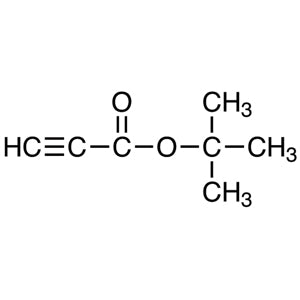
tert-ButylPropiolate TCI P1038
Regular price Rp 6.122.550,00Regular price -
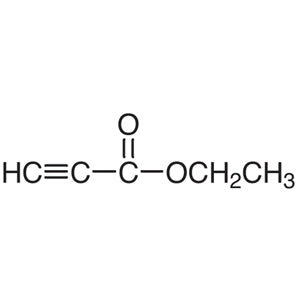
EthylPropiolate TCI P0529
Regular price From Rp 1.035.300,00Regular price -
MethylPropiolate TCI P0528
Regular price From Rp 1.035.300,00Regular price -
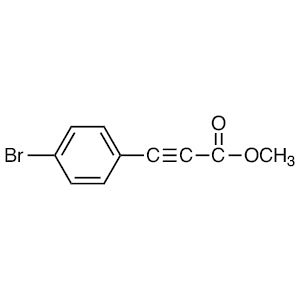
Methyl3-(4-Bromophenyl)propiolate TCI M2893
Regular price Rp 4.293.450,00Regular price -
EthylPhenylpropiolate TCI P0814
Regular price From Rp 1.273.650,00Regular price -
MethylPhenylpropiolate TCI M2080
Regular price From Rp 1.881.600,00Regular price -
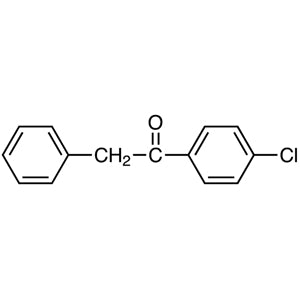
Benzyl4-ChlorophenylKetone TCI B4704
Regular price From Rp 848.400,00Regular price -
2-Bromo-1-(3-chlorophenyl)propan-1-one TCI B2932
Regular price From Rp 1.881.600,00Regular price