Ethyl Propiolate is a chemical compound widely used as a foundational building block in the synthesis of complex organic compounds. It serves as a versatile reagent in organic chemistry, enabling various types of chemical reactions such as addition, substitution, and catalytic processes. Its molecular structure provides the necessary reactivity for the formation of more intricate molecular frameworks, making it an essential tool for researchers and chemists. In laboratory settings, Ethyl Propiolate is frequently employed to construct larger molecular structures, supporting both fundamental research and the development of new chemical compounds.
The compound's chemical properties make it a preferred choice for high-speed reactions due to its reactivity under specific conditions. It exhibits good solubility in organic solvents, which simplifies mixing and separation processes in laboratory procedures. This solubility, combined with its stability in controlled environments, allows for efficient use in a variety of synthetic pathways. Its reactivity, however, also means it requires careful handling to maintain its effectiveness and safety in laboratory applications.
In Indonesian laboratories, Ethyl Propiolate is extensively used in organic chemistry research, particularly in academic and research institutions focused on the synthesis of new compounds. It is also commonly found in industrial laboratories involved in the production of chemical substances. Its role in both academic and industrial settings highlights its importance in advancing chemical innovation and development in the region.
TCI brochures (PDF)
- Click Chemistry 2026-09-08 · p. 14
- Organic synthesis applications benefit from Ethyl Propiolate's reactivity and versatility in forming complex molecular structures.
- It is ideal for catalytic reactions due to its ability to participate in various chemical transformations under controlled conditions.
- In academic research, Ethyl Propiolate supports the development of new compounds through its role as a building block in synthetic pathways.
- Industrial laboratories use it for the production of chemical substances, leveraging its solubility and reactivity in large-scale processes.
- It is commonly used in analytical chemistry for testing and characterizing the properties of organic compounds in various experimental setups.
| Brand | TCI |
|---|---|
| CAS number | 623-47-2 |
| Molecular formula | — |
| Purity | — |
| Category | Chemistry > Building Blocks > Non-Heterocyclic Building Blocks |
| Pack sizes | Available in various sizes as per supplier specifications |
| Physical form | Liquid |
| Storage | Store in a cool, dry place away from direct sunlight and incompatible materials |
Ethyl Propiolate should be stored in a cool, dry place away from direct sunlight and incompatible materials to maintain its stability and effectiveness. It is recommended to use suitable containers that are resistant to chemical reactions, such as glass or high-density polyethylene. Due to its reactivity, it should be handled with care, ensuring proper ventilation in the laboratory environment. Avoid exposure to high temperatures or excessive moisture, as these conditions can affect its chemical properties. Always follow standard safety protocols when working with this compound to ensure both the integrity of the material and the safety of laboratory personnel.
—
Product Categories
Produk Terkait
-
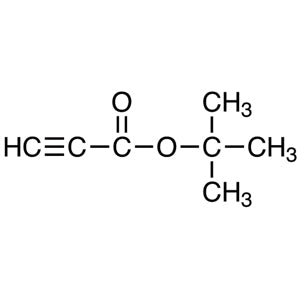
tert-ButylPropiolate TCI P1038
Regular price Rp 6.175.050,00Regular priceRp 4.333.350,00Sale price Rp 6.175.050,00 -
MethylPropiolate TCI P0528
Regular price From Rp 1.087.800,00Regular priceRp 775.950,00Sale price From Rp 1.087.800,00 -
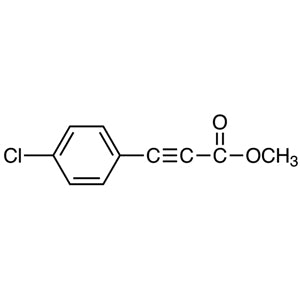
Methyl3-(4-Chlorophenyl)propiolate TCI M2894
Regular price Rp 4.531.800,00Regular priceRp 3.184.650,00Sale price Rp 4.531.800,00 -
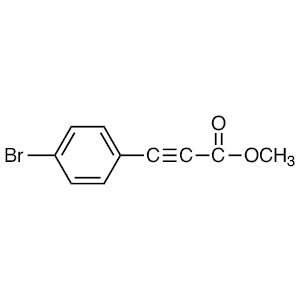
Methyl3-(4-Bromophenyl)propiolate TCI M2893
Regular price Rp 4.345.950,00Regular priceRp 3.054.450,00Sale price Rp 4.345.950,00 -
EthylPhenylpropiolate TCI P0814
Regular price From Rp 1.326.150,00Regular priceRp 942.900,00Sale price From Rp 1.326.150,00 -
MethylPhenylpropiolate TCI M2080
Regular price From Rp 1.934.100,00Regular priceRp 1.368.150,00Sale price From Rp 1.934.100,00 -
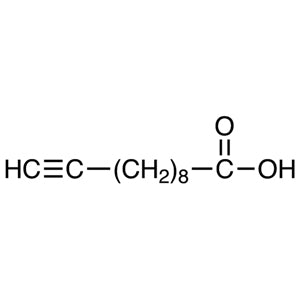
10-UndecynoicAcid TCI U0054
Regular price From Rp 1.060.500,00Regular priceRp 757.050,00Sale price From Rp 1.060.500,00 -
3-Butyn-2-one TCI B2393
Regular price From Rp 2.174.550,00Regular priceRp 1.520.400,00Sale price From Rp 2.174.550,00