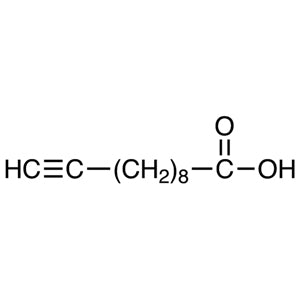
Methyl Propiolate is a chemical compound widely used in various organic reactions within laboratory settings. As a fundamental building block in organic synthesis, it serves as a key reagent for the creation of both heterocyclic and non-heterocyclic compounds. Its active carbonyl group enables it to react readily with nucleophiles and electrophiles, making it a versatile tool in synthetic chemistry. This compound is particularly valuable for constructing complex molecular structures, especially in reactions involving addition or substitution mechanisms. Its chemical properties allow it to participate in a range of reactions, including Diels-Alder, substitution, and addition reactions, making it a preferred choice for researchers.
The chemical properties of Methyl Propiolate, such as its high density and volatility, make it a preferred choice in synthetic applications. It exhibits stability under certain conditions but remains highly reactive in specific chemical environments. These characteristics enable it to be used in a variety of synthetic pathways where reactivity is essential. Its ability to engage in multiple types of chemical reactions enhances its utility in laboratory settings, particularly in the development of new organic compounds. The compound's reactivity and structural versatility position it as a valuable resource for chemists working on diverse synthetic projects.
In Indonesian laboratories, Methyl Propiolate is commonly used in chemical research, especially in the field of organic synthesis. It plays a crucial role in the development of new compounds and the exploration of reaction mechanisms. Researchers in Indonesia rely on this compound for its reliability and effectiveness in various synthetic processes. Its application is widespread across different research areas, contributing to the advancement of chemical studies in the region.
Advantages (TCI brochure)
- Acid scavenger in the glycosyl sulfoxide method (text names it methyl propargylate)
TCI brochures (PDF)
- Glycosidation 2026-04-14 · p. 2
- Click Chemistry 2026-09-08 · p. 14
- Organic Synthesis: Methyl Propiolate is ideal for constructing complex molecular structures due to its reactive carbonyl group and ability to participate in multiple reaction types.
- Diels-Alder Reactions: Its conjugated double bonds make it a suitable dienophile for Diels-Alder reactions, enabling the formation of six-membered ring structures.
- Substitution Reactions: The compound's electrophilic carbonyl group allows it to react with nucleophiles, making it useful in substitution reactions for functional group modification.
- Addition Reactions: Its reactivity with electrophiles and nucleophiles makes it a valuable reagent in addition reactions for building molecular frameworks.
- Heterocyclic Compound Synthesis: Methyl Propiolate is frequently used as a building block for the synthesis of heterocyclic compounds due to its structural versatility.
From the TCI brochure
- Acid scavenger in glycosyl sulfoxide glycosidation
| Brand | TCI |
|---|---|
| CAS number | 922-67-8 |
| Molecular formula | — |
| Purity | — |
| Category | Chemistry > Building Blocks > Non-Heterocyclic Building Blocks |
| Pack sizes | Available in various quantities as per standard laboratory supply |
| Physical form | Liquid |
| Storage | Store in a cool, dry place away from direct sunlight and incompatible materials |
Methyl Propiolate should be stored in a cool, dry location away from direct sunlight and incompatible substances. It is recommended to use sealed containers to prevent evaporation due to its high volatility. The compound should be kept in a well-ventilated area to minimize exposure to vapors. Due to its reactivity, it should be handled with care, using appropriate personal protective equipment such as gloves and safety goggles. It is important to ensure that storage conditions are stable and that the compound is not exposed to moisture or heat, which could affect its chemical integrity. Proper labeling and storage practices are essential to maintain safety and effectiveness in laboratory environments.
—
Product Categories
Produk Terkait
-
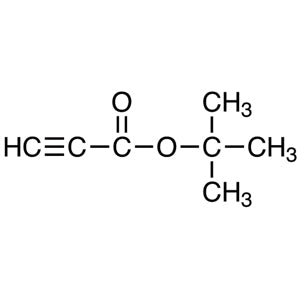
tert-ButylPropiolate TCI P1038
Regular price Rp 6.175.050,00Regular priceRp 4.333.350,00Sale price Rp 6.175.050,00 -
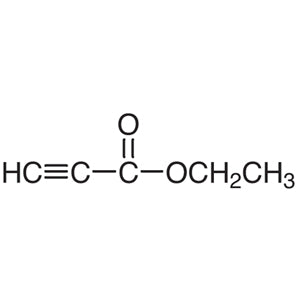
EthylPropiolate TCI P0529
Regular price From Rp 1.087.800,00Regular priceRp 775.950,00Sale price From Rp 1.087.800,00 -
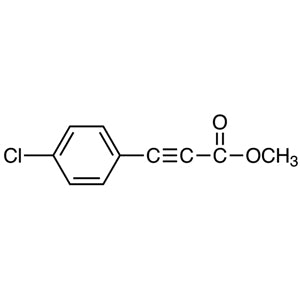
Methyl3-(4-Chlorophenyl)propiolate TCI M2894
Regular price Rp 4.531.800,00Regular priceRp 3.184.650,00Sale price Rp 4.531.800,00 -
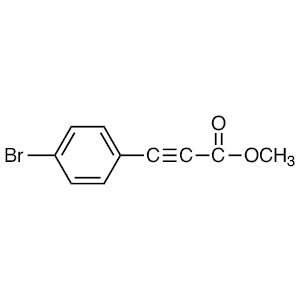
Methyl3-(4-Bromophenyl)propiolate TCI M2893
Regular price Rp 4.345.950,00Regular priceRp 3.054.450,00Sale price Rp 4.345.950,00 -
EthylPhenylpropiolate TCI P0814
Regular price From Rp 1.326.150,00Regular priceRp 942.900,00Sale price From Rp 1.326.150,00 -
MethylPhenylpropiolate TCI M2080
Regular price From Rp 1.934.100,00Regular priceRp 1.368.150,00Sale price From Rp 1.934.100,00 -
10-UndecynoicAcid TCI U0054
Regular price From Rp 1.060.500,00Regular priceRp 757.050,00Sale price From Rp 1.060.500,00 -
3-Butyn-2-one TCI B2393
Regular price From Rp 2.174.550,00Regular priceRp 1.520.400,00Sale price From Rp 2.174.550,00