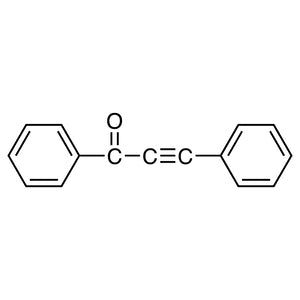
Methyl Phenylpropiolate is a chemical compound widely used in organic reactions as a building block or reagent. It serves as a versatile intermediate in the synthesis of aromatic compounds and complex molecular structures. Its molecular structure consists of a phenyl group linked to a propionate group, making it a valuable component in various synthetic pathways. This compound is commonly found in research settings where organic chemists seek to construct new molecules with specific functional groups. Due to its structural complexity, it is often used in advanced chemical synthesis processes.
The compound is known for its reactivity, making it suitable for substitution reactions, esterification, and cross-coupling reactions. It exhibits chemical stability under controlled conditions but is highly sensitive to moisture and oxidation. Its flammable nature requires careful handling to ensure safety in the laboratory. These properties make it a preferred choice for researchers aiming to explore its potential in synthetic chemistry. Its high reactivity also allows it to interact effectively with a wide range of reagents, enhancing its utility in diverse chemical applications.
In Indonesian laboratories, Methyl Phenylpropiolate is frequently utilized in organic chemistry research, particularly in academic institutions and research centers. It plays a crucial role in the development of new compounds and the study of molecular behavior. Its presence in such environments underscores its importance as a fundamental reagent in both educational and industrial research settings. Researchers rely on its properties to achieve precise chemical transformations and to advance their studies in organic chemistry.
- Organic Synthesis: Methyl Phenylpropiolate is ideal for creating aromatic compounds due to its phenyl group and reactive propionate functionality.
- Esterification Reactions: Its ester-like structure makes it suitable for forming ester derivatives in various synthetic pathways.
- Cross-Coupling Reactions: The compound's reactivity supports its use in cross-coupling reactions, enabling the formation of complex molecular architectures.
- Substitution Reactions: Its ability to participate in substitution reactions makes it valuable for modifying molecular structures.
- Research and Development: It is frequently used in R&D settings to explore new chemical transformations and synthetic strategies.
| Brand | TCI |
|---|---|
| CAS number | 4891-38-7 |
| Molecular formula | — |
| Purity | — |
| Category | Chemistry > Building Blocks > Non-Heterocyclic Building Blocks |
| Pack sizes | Available in various quantities as per supplier specifications |
| Physical form | Liquid |
| Storage | Requires storage in a cool, dry place away from moisture and oxidizing agents |
Methyl Phenylpropiolate should be stored in a cool, dry environment to prevent degradation due to moisture and oxidation. It is recommended to keep the compound in a tightly sealed container made of inert materials such as glass or stainless steel to minimize exposure to air and contaminants. Due to its flammable nature, it should be stored away from heat sources and potential ignition points. Laboratory personnel should wear appropriate personal protective equipment, including gloves and safety goggles, when handling this compound. Proper ventilation is essential to ensure safe working conditions. Regular monitoring of storage conditions is advised to maintain the compound's stability and effectiveness for research purposes.
—
Produk Terkait
-
EthylPhenylpropiolate TCI P0814
Regular price From Rp 1.273.650,00Regular price -
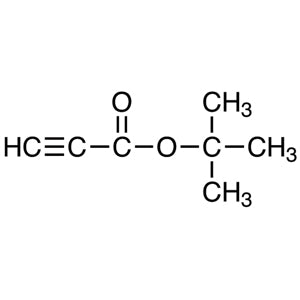
tert-ButylPropiolate TCI P1038
Regular price Rp 6.122.550,00Regular price -
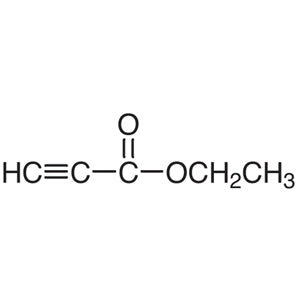
EthylPropiolate TCI P0529
Regular price From Rp 1.035.300,00Regular price -
MethylPropiolate TCI P0528
Regular price From Rp 1.035.300,00Regular price -
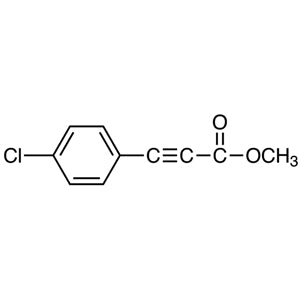
Methyl3-(4-Chlorophenyl)propiolate TCI M2894
Regular price Rp 4.479.300,00Regular price -
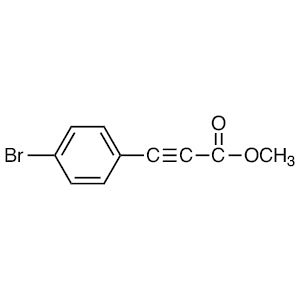
Methyl3-(4-Bromophenyl)propiolate TCI M2893
Regular price Rp 4.293.450,00Regular price -
1,3-Diphenylprop-2-yn-1-one TCI D6145
Regular price Rp 6.042.750,00Regular price -
3-(4-Bromophenyl)-1-phenylprop-2-en-1-one TCI B6397
Regular price Rp 4.929.750,00Regular price