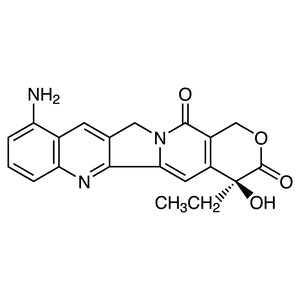
TCI M3082 is Meisoindigo, CAS number 97207-47-1, a pharmaceutical research reagent belonging to the indigoid derivative family. The compound is a methylated analogue of isoindigo, a bisindole framework that has attracted researcher attention because of its relationship to the coloured natural products of the indigo and indirubin groups. In the laboratory setting, Meisoindigo is supplied as a test material for research and experimental purposes only, and not for therapeutic use in humans or animals. Researchers employ it as a reference compound, as a test substance in in vitro systems, or as a starting point for structure-relationship studies across a series of indigoid derivatives.
The properties that make this compound a preferred choice are centred on its rigid, conjugated bisindolinone framework, which gives the molecule a strong chromophoric character together with a well-defined molecular geometry. The extended conjugation of the isoindigo system produces distinct absorption in the visible region, so the compound is easily monitored by spectrophotometry as well as on thin-layer chromatography plates. Methylation at the nitrogen alters solubility behaviour and hydrogen-bonding patterns relative to the parent isoindigo, which in practical laboratory terms means different dissolution behaviour when preparing stock solutions. Supply through TCI, a manufacturer of fine organic chemicals, gives researchers a consistently identified material for work that must be reproducible between experimental runs.
In Indonesian laboratories, this reagent is typically used in university research groups, pharmaceutical research units, and natural-product chemistry laboratories that study indigoid and bisindole scaffolds. It is generally ordered in small quantities appropriate to exploratory work, since such studies normally consume only milligram amounts per assay series. Institutions handling this reagent usually already operate a documented chemical inventory, a fume hood, and standard laboratory waste handling procedures, so the material is integrated into existing research chemical workflows without any additional facility requirement.
TCI brochures (PDF)
- Antimicrobials and Antitumor Agents for Research and Experimental Use 2025-04-24 · p. 15
- Pharmaceutical Ingredients for Research and Experimental Use 2026-03-09 · p. 16
- Reagents for Biological Research 2025-03-11 · p. 35
- Reference standard in analytical work: the well-defined indigoid structure and distinct visible absorption allow it to serve as a comparison compound when identifying or confirming related bisindole species in an experimental sample set.
- In vitro screening as a test substance: researchers use the compound as a test article in cell-free or cell-based experimental systems where an indigoid scaffold is the subject of investigation, not for therapeutic application.
- Structure-relationship studies across indigoid series: because it is the N-methylated analogue of isoindigo, it provides a direct comparison point for evaluating how methylation affects behaviour within a derivative series.
- Chromatographic method development: the strong chromophore makes the compound easy to visualise on thin-layer chromatography plates and to track by detector response while optimising separation conditions for indigoid mixtures.
- Spectrophotometric and photophysical characterisation: the extended conjugation of the isoindigo system gives clear visible-region absorption, making the material suitable for absorption measurement work and for calibrating instrument response in related studies.
| Brand | TCI (Tokyo Chemical Industry) |
|---|---|
| CAS number | 97207-47-1 |
| Molecular formula | — |
| Purity | — |
| Category | Life Science > Biochemicals and Reagents > Pharmaceutical Research Reagents (for Experimental Use) |
| Pack sizes | supplied in research-scale pack sizes; please confirm available sizes when ordering |
| Physical form | — |
| Storage | store according to the conditions stated on the manufacturer label and safety data sheet |
- Product code: M3082
Store the reagent in its original tightly closed container under the conditions specified on the manufacturer label and accompanying safety data sheet, keeping it away from heat sources, direct sunlight, and moisture. Amber glass or the supplied original packaging is appropriate for a coloured, light-absorbing organic compound of this type. Handle the material in a fume hood using gloves, safety glasses, and a laboratory coat, and avoid generating dust when weighing small quantities. Return the container to its designated storage location promptly after use and keep it clearly labelled within the laboratory chemical inventory. Because this material is intended strictly for research and experimental use, it should be handled only by trained personnel and disposed of as laboratory chemical waste in accordance with institutional procedures. Consult the safety data sheet before first use.
—
Product Categories
- Biochemicals and ReagentsPharmaceutical Research Reagents (for Experimental Use)Antitumor Research Reagents (for Experimental Use)
- Cell BiologyApoptosisApoptosis Inducers
- Pharmaceutical Development and Drug Discovery ResearchPharmaceutical Research Reagents (for Experimental Use)Antitumor Research Reagents (for Experimental Use)
Produk Terkait
-
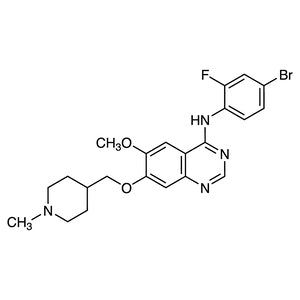
Vandetanib TCI V0199
Regular price From Rp 2.121.000,00Regular price -
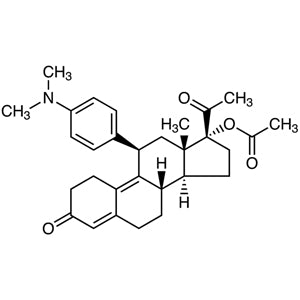
UlipristalAcetate TCI U0102
Regular price From Rp 5.062.050,00Regular price -
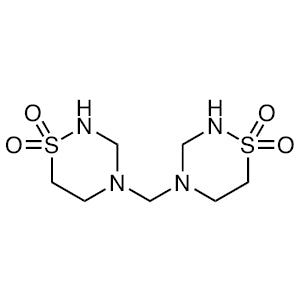
Taurolidine TCI T3980
Regular price Rp 4.028.850,00Regular price -
Bexarotene TCI B4798
Regular price Rp 5.034.750,00Regular price -
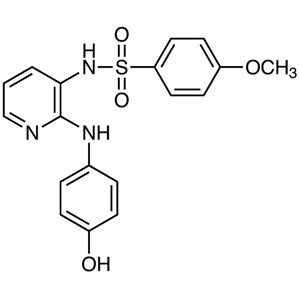
ABT-751 TCI A3169
Regular price From Rp 3.605.700,00Regular price -
5-Aminoimidazole-4-carboxamide1-beta-D-Ribofuranoside TCI A2528
Regular price Rp 2.545.200,00Regular price -
9-Aminocamptothecin TCI A2063
Regular price Rp 8.082.900,00Regular price -
Piperlongumine TCI P2361
Regular price Rp 2.041.200,00Regular price