TCI P2361 Piperlongumine, also known as piplartine, is a naturally occurring amide alkaloid isolated from Javanese long pepper, or long pepper (Piper longum). Its structure has a 3,4,5-trimethoxycinnamoyl group attached to a dihydropyridinone ring. In the laboratory, piperlongumine is a research compound in cell biology and pharmacology. Researchers mainly use it to study oxidative stress, cancer cell death and cellular signalling pathways. The compound is widely reported in the biomedical literature, which gives researchers plenty of published work to compare against and build on.
Many researchers choose piperlongumine because it has been reported to raise levels of reactive oxygen species (ROS) selectively in cancer cells compared with normal cells. Its structure contains two Michael acceptors: the conjugated double bond in the lactam ring and the one in the cinnamoyl group. Both can react with thiol groups, such as glutathione and cysteine-containing proteins. This reactivity underlies many of the compound's biological effects. Piperlongumine is also being studied as a senolytic agent and as an inhibitor of inflammatory pathways in experimental models, so one compound can serve several research directions.
For researchers in Indonesia, piperlongumine has an added appeal because it comes from a plant known in jamu and traditional medicine. University laboratories, pharmacology and natural product research groups, and biomedical research institutes can use it as a reference compound. It links locally known medicinal plants with modern cell and molecular biology. Typical work includes in vitro studies of oxidative stress, screening of bioactive natural compounds, and comparative studies of Piper longum extracts against the isolated alkaloid.
TCI brochures (PDF)
- Crude Medicine Ingredients for Cancer Research 2025-02-17 · p. 1
- Alkaloids 2025-10-10 · p. 3
- Phytochemicals 2025-12-17 · p. 4
- Antimicrobials and Antitumor Agents for Research and Experimental Use 2025-04-24 · p. 16
- Pharmaceutical Ingredients for Research and Experimental Use 2026-03-09 · p. 16
- Reagents for Biological Research 2025-03-11 · p. 35
- Oxidative stress research: piperlongumine is reported to raise reactive oxygen species levels in cells, so it is a useful tool compound for studying redox balance and antioxidant defence mechanisms.
- Cancer cell biology: its reported selective ROS increase in cancer cells compared with normal cells makes it relevant for studying cancer cell death mechanisms in in vitro models.
- Thiol reactivity and glutathione studies: its two Michael acceptor sites can react with glutathione and cysteine-containing proteins, which supports research on covalent modification and thiol-dependent signalling.
- Senolytic and inflammation research: the compound is being studied as a senolytic agent and as an inhibitor of inflammatory pathways in experimental models, which suits ageing and inflammation research programmes.
- Natural product and ethnopharmacology studies: because it comes from Piper longum, a plant known in Indonesian jamu, it works as a reference standard when comparing plant extracts with the isolated alkaloid.
| Brand | TCI (product code P2361) |
|---|---|
| CAS number | 20069-09-4 |
| Molecular formula | — |
| Purity | — |
| Category | Life Science > Biochemicals and Reagents > Alkaloids |
| Pack sizes | available in standard TCI pack sizes; please contact AMI Scientific for current options |
| Physical form | — |
| Storage | follow the conditions on the TCI label and safety data sheet |
- Synonym: Piplartine
Store piperlongumine in its original, tightly closed manufacturer's container. Keep it in a cool, dry place away from direct light, heat sources and moisture, and follow the storage conditions on the TCI label and safety data sheet. Because the compound is biologically active and reacts with thiol groups, handle it in a well-ventilated area or fume hood. Wear suitable personal protective equipment, including lab coat, gloves and safety glasses. Avoid inhaling dust and avoid contact with skin and eyes. Prepare solutions with clean, compatible glassware and label them clearly. Dispose of waste according to institutional and local chemical waste regulations.
—
Product Categories
- Biochemicals and ReagentsAlkaloidsPiperidine Alkaloids
- Biochemicals and ReagentsCrude Medicine Ingredients for Research and Experimental Use
- Biochemicals and ReagentsPharmaceutical Research Reagents (for Experimental Use)Antitumor Research Reagents (for Experimental Use)
- Cell BiologyApoptosisApoptosis Inducers
- Cell BiologyNutrition ResearchPhytochemicals
- Pharmaceutical Development and Drug Discovery ResearchPharmaceutical Research Reagents (for Experimental Use)Antitumor Research Reagents (for Experimental Use)
- Pharmaceutical Development and Drug Discovery ResearchCrude Medicine Ingredients for Research and Experimental Use
Produk Terkait
-
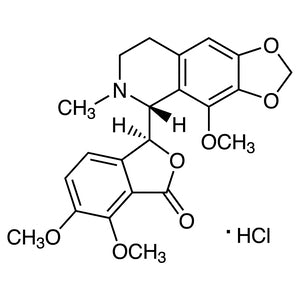
NoscapineHydrochloride TCI N0963
Regular price Rp 3.392.550,00Regular priceRp 2.387.700,00Sale price Rp 3.392.550,00 -
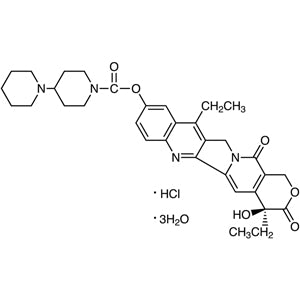
IrinotecanHydrochlorideTrihydrate TCI I0714
Regular price Rp 6.863.850,00Regular priceRp 4.815.300,00Sale price Rp 6.863.850,00 -
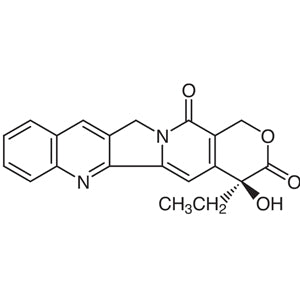
(S)-(+)-Camptothecin TCI C1495
Regular price From Rp 769.650,00Regular priceRp 553.350,00Sale price From Rp 769.650,00 -
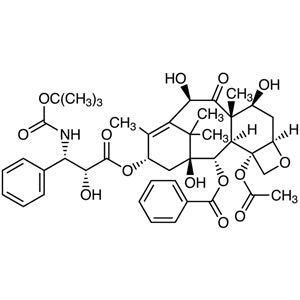
Docetaxel TCI D4102
Regular price From Rp 2.994.600,00Regular priceRp 2.109.450,00Sale price From Rp 2.994.600,00 -
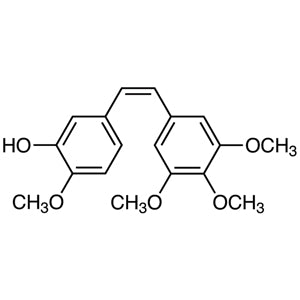
CombretastatinA4 TCI C2520
Regular price Rp 18.946.200,00Regular priceRp 13.264.650,00Sale price Rp 18.946.200,00 -
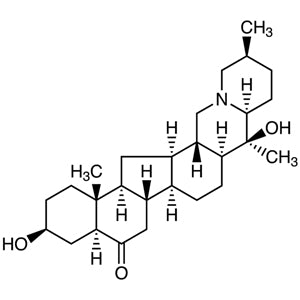
Peiminine TCI P2609
Regular price From Rp 3.207.750,00Regular priceRp 2.258.550,00Sale price From Rp 3.207.750,00 -
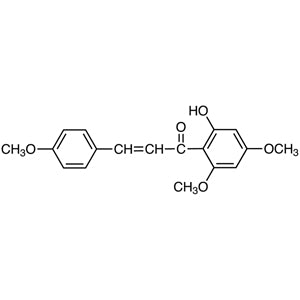
FlavokawainA TCI H1571
Regular price From Rp 1.670.550,00Regular priceRp 1.183.350,00Sale price From Rp 1.670.550,00 -
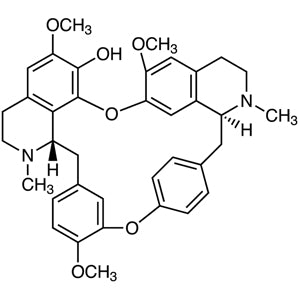
Fangchinoline TCI F1173
Regular price From Rp 3.048.150,00Regular priceRp 2.147.250,00Sale price From Rp 3.048.150,00