![48067-72-7 2-[2-(2-Methoxyethoxy)ethoxy]ethyl Acrylate (stabilized with MEHQ) - AMI Scientific](http://amiscientific.com/cdn/shop/files/TCI2510M3094.jpg?v=1767127742&width=1946)
![48067-72-7 2-[2-(2-Methoxyethoxy)ethoxy]ethyl Acrylate (stabilized with MEHQ) - AMI Scientific](http://amiscientific.com/cdn/shop/files/TCI2510M3094.jpg?v=1767127742&width=1445)
2-[2-(2-Methoxyethoxy)ethoxy]ethyl Acrylate (stabilized with MEHQ) is a versatile monomer widely used in polymer synthesis and the development of complex chemical compounds. As a key building block in polymer chemistry, it plays a critical role in creating materials with specific structural and functional properties. This compound is essential in both academic and industrial research settings, where it is employed to produce polymers with high elasticity and durability. Its chemical stability and controllability make it a reliable choice for laboratory experiments, enabling researchers to achieve consistent results in polymerization processes.
The stabilization with MEHQ (methyl ethyl glycol) significantly enhances the material’s shelf life by preventing oxidative degradation. This feature ensures that the compound remains chemically stable under various laboratory conditions, making it ideal for long-term research projects. The compound’s molecular structure also allows for flexibility in designing polymers with tailored properties, such as improved adhesion, flexibility, or thermal resistance. These characteristics make it a preferred choice for organic chemistry and materials science applications.
In Indonesian laboratories, this monomer is commonly used in research related to polymer technology, organic chemistry, and material science. It is frequently utilized by academic institutions and local industries to develop new products and materials. Its widespread application across different scientific fields highlights its importance in both basic and applied research in Indonesia.
TCI brochures (PDF)
- Biomaterials Research Reagents 2025-02-19 · p. 9
- Monomers 2025-05-28 · p. 4
Related TCI products
- TCI E0652 7328-17-8 2-(2-Ethoxyethoxy)ethyl Acrylate (stabilized with MEHQ)
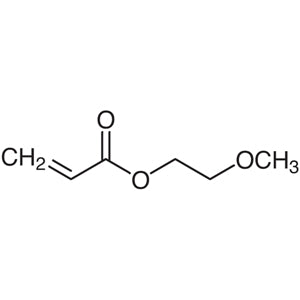
- TCI A1405 3121-61-7 2-Methoxyethyl Acrylate (stabilized with MEHQ)
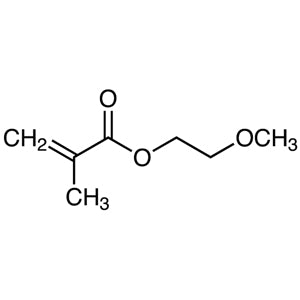
- TCI M2282 6976-93-8 2-Methoxyethyl Methacrylate (stabilized with MEHQ)
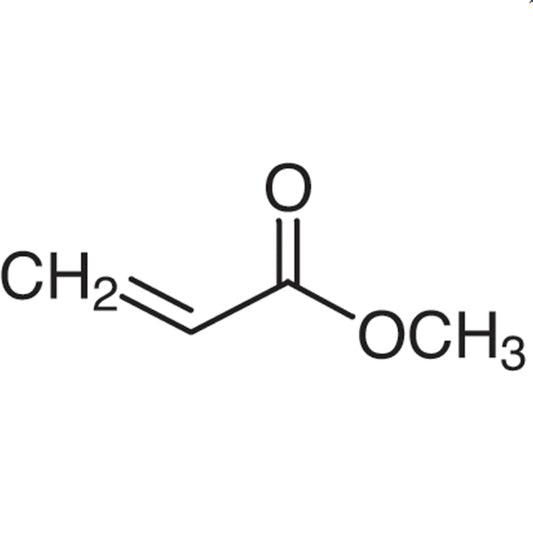
- TCI A0145 96-33-3 Methyl Acrylate (stabilized with MEHQ)
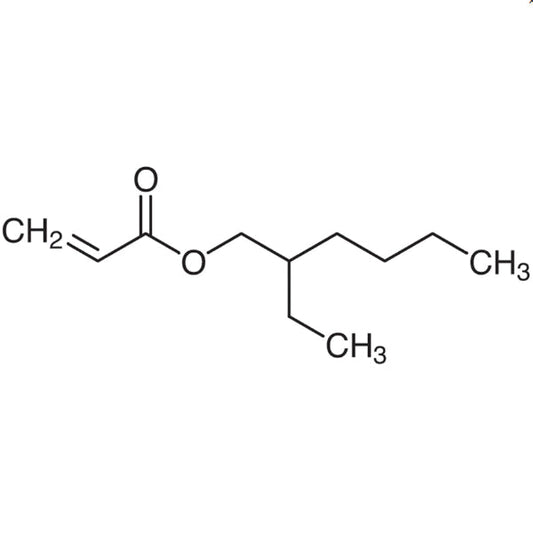
- TCI A0144 103-11-7 2-Ethylhexyl Acrylate Monomer (stabilized with MEHQ)
- TCI A0142 141-32-2 Butyl Acrylate (stabilized with MEHQ)
- Polymer synthesis for creating high-performance elastomers and thermoplastic materials due to its ability to form flexible and durable structures.
- Organic chemistry research for synthesizing complex molecules and functional groups that require controlled polymerization reactions.
- Material science studies to develop advanced polymers with tailored mechanical and chemical properties for industrial applications.
- Industrial R&D in polymer manufacturing to improve the properties of polymer-based products such as coatings, adhesives, and sealants.
- Academic teaching and experimentation in undergraduate and graduate courses focusing on polymer chemistry and chemical engineering.
| Brand | TCI |
|---|---|
| CAS number | 48067-72-7 |
| Molecular formula | — |
| Purity | — |
| Category | Materials Science > Polymer/Macromolecule Reagents > Monomers |
| Pack sizes | Available in standard laboratory quantities as per supplier specifications |
| Physical form | Liquid |
| Storage | Store in a cool, dark place away from heat and light sources |
This material should be stored in a cool, dark environment to maintain its chemical stability and prevent oxidative degradation. It is recommended to use airtight containers made of polyethylene or glass to minimize exposure to moisture and air. Handling should be done with appropriate personal protective equipment, including gloves and safety goggles, to ensure laboratory safety. The compound should be kept away from strong oxidizing agents and incompatible materials to avoid chemical reactions. Regular monitoring of storage conditions is essential to maintain the integrity of the material over time. Proper labeling and storage practices help ensure the safety of laboratory personnel and the reliability of experimental results.
—
Product Categories
Produk Terkait
-
2-(2-Ethoxyethoxy)ethylAcrylate(stabilizedwithMEHQ) TCI E0652
Regular price From Rp 477.750,00Regular price -
2-MethoxyethylAcrylate(stabilizedwithMEHQ) TCI A1405
Regular price From Rp 505.050,00Regular price -
2-MethoxyethylMethacrylate(stabilizedwithMEHQ) TCI M2282
Regular price From Rp 955.500,00Regular price -
MethylAcrylate(stabilizedwithMEHQ) TCI A0145
Regular price From Rp 477.750,00Regular price -
2-EthylhexylAcrylateMonomer(stabilizedwithMEHQ) TCI A0144
Regular price From Rp 505.050,00Regular price -
ButylAcrylate(stabilizedwithMEHQ) TCI A0142
Regular price From Rp 505.050,00Regular price -
3-SulfopropylAcrylatePotassiumSalt TCI U0117
Regular price Rp 1.565.550,00Regular price -
AllylAcrylate(stabilizedwithMEHQ) TCI A1740
Regular price Rp 7.209.300,00Regular price