7-Methoxy-5-methylisoflavone is a chemical compound widely used in laboratory research and chemical experimentation. As a heterocyclic building block, it plays a crucial role in the synthesis of various organic compounds and pharmaceutical intermediates. Its complex molecular structure and high reactivity make it a valuable tool for chemists working in diverse fields such as pharmacology and organic chemistry. This compound is often employed in the development of bioactive molecules and drug candidates, contributing to the advancement of scientific research. Its versatility and chemical stability make it a preferred choice for researchers aiming to create new compounds with specific functional properties.
The compound’s unique chemical properties, including its solubility in organic solvents and its ability to react with a variety of reagents, enhance its utility in synthetic processes. These characteristics allow it to be easily incorporated into complex reaction schemes, enabling the production of a wide range of derivatives. Its stability under controlled conditions further supports its use in laboratory settings, where precise control over chemical reactions is essential. This combination of reactivity and stability ensures that it remains a reliable component in the synthesis of novel compounds and the exploration of new chemical pathways.
In Indonesian laboratories, 7-Methoxy-5-methylisoflavone is commonly used in organic chemistry and pharmacology research. It is a key reagent in the synthesis of bioactive compounds, drug development, and molecular structure studies. Many research institutions and universities in Indonesia rely on this compound for experimental work that contributes to scientific innovation and the discovery of new therapeutic agents. Its availability and reliability make it an essential part of the laboratory toolkit in the region.
TCI brochures (PDF)
- Phytochemicals 2025-12-17 · p. 12
- Reagents for Biological Research 2025-03-11 · p. 53
- Organic synthesis applications benefit from 7-Methoxy-5-methylisoflavone’s reactivity and structural versatility, allowing the creation of complex molecules for pharmaceutical research.
- Pharmacological studies utilize this compound as a building block for developing new drug candidates, leveraging its ability to form bioactive derivatives.
- Molecular structure analysis in research labs takes advantage of its stability and solubility, facilitating accurate characterization of chemical compounds.
- Bioactive compound synthesis relies on its chemical properties to produce compounds with potential therapeutic applications in medicine.
- Chemical reaction optimization in laboratory settings benefits from its predictable behavior and compatibility with various reagents and solvents.
| Brand | TCI |
|---|---|
| CAS number | 82517-12-2 |
| Molecular formula | — |
| Purity | — |
| Category | Chemistry > Building Blocks > Heterocyclic Building Blocks |
| Pack sizes | Available in standard laboratory quantities |
| Physical form | Solid or crystalline, depending on the batch |
| Storage | Store in a cool, dry place away from light and moisture |
7-Methoxy-5-methylisoflavone should be stored in a cool, dry environment to maintain its chemical stability and prevent degradation. It is recommended to keep it in airtight containers to minimize exposure to moisture and air, which can affect its reactivity. Laboratory personnel should handle the compound with care, using appropriate personal protective equipment such as gloves and safety goggles to ensure safety. It should be stored away from incompatible substances to avoid any potential chemical interactions. Proper labeling of storage containers is essential to ensure safe handling and easy identification. Regular monitoring of storage conditions helps maintain the integrity of the compound for reliable use in research applications.
—
Produk Terkait
-
Isoflavone TCI I1024
Regular price Rp 4.823.700,00Regular price -
4',6,7-Trihydroxyisoflavone TCI T3473
Regular price From Rp 3.075.450,00Regular price -
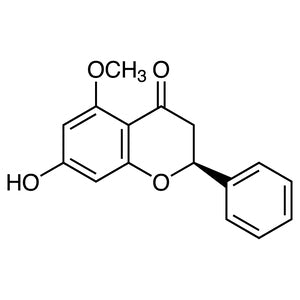
Alpinetin TCI A3577
Regular price Rp 7.897.050,00Regular price -
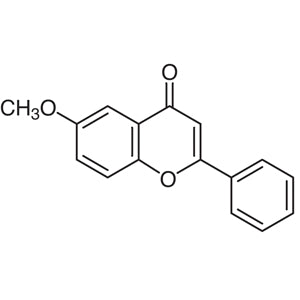
6-Methoxyflavone TCI M1346
Regular price From Rp 1.220.100,00Regular price -
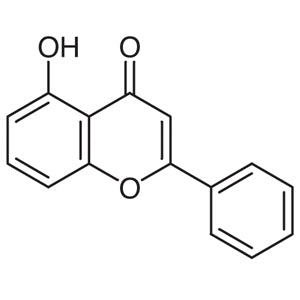
5-Hydroxyflavone TCI H1238
Regular price Rp 5.089.350,00Regular price -
6-Hydroxyflavanone TCI H1027
Regular price From Rp 1.298.850,00Regular price -
7-Hydroxyflavanone TCI H1006
Regular price Rp 1.776.600,00Regular price -
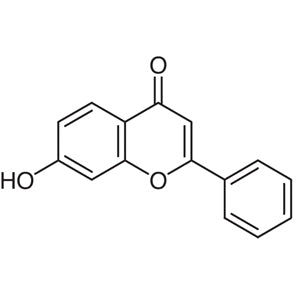
7-Hydroxyflavone TCI H0852
Regular price From Rp 903.000,00Regular price