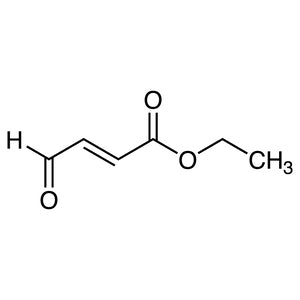
Methyl But-3-enoate is a chemical compound widely used in laboratory settings for the synthesis of complex molecules. As a key building block in organic chemistry, it plays a vital role in various chemical reactions, particularly in esterification and hydrolysis processes. This compound is commonly found in research laboratories as a raw material for the production of aromatic compounds and esters. Its versatility makes it an essential component in the development of new chemical substances and the study of organic chemistry properties.
The compound’s stable molecular structure and predictable chemical properties make it a preferred choice for laboratory use. It is capable of reacting with a variety of functional groups, which allows for the creation of diverse chemical structures. Its ability to participate in multiple reaction pathways enhances its utility in synthetic chemistry. Additionally, Methyl But-3-enoate has a distinct aroma, which can serve as an indicator in certain chemical reactions. These characteristics contribute to its widespread use in both academic and industrial research environments.
In Indonesian laboratories, Methyl But-3-enoate is frequently utilized in organic chemistry research, especially in pharmaceutical and industrial chemical development. Its availability and chemical properties make it a valuable resource for researchers aiming to synthesize new compounds or investigate the behavior of organic molecules. It is a fundamental tool in the pursuit of scientific innovation and chemical discovery within the Indonesian scientific community.
- Organic synthesis applications benefit from Methyl But-3-enoate due to its reactivity and compatibility with various functional groups, enabling the creation of complex molecules.
- Pharmaceutical research often utilizes this compound as a building block for the synthesis of aromatic compounds and ester derivatives, which are essential in drug development.
- Industrial chemical development relies on Methyl But-3-enoate for the production of esters and other organic compounds used in manufacturing processes.
- Analytical chemistry experiments may use this compound as a standard or reference material for identifying and quantifying ester compounds in samples.
- Environmental studies can incorporate Methyl But-3-enoate to investigate the behavior of ester compounds in different environmental conditions and their impact on ecosystems.
| Brand | TCI |
|---|---|
| CAS number | 3724-55-8 |
| Molecular formula | — |
| Purity | — |
| Category | Chemistry > Building Blocks > Non-Heterocyclic Building Blocks |
| Pack sizes | Available in various quantities as per standard laboratory supply options |
| Physical form | Liquid |
| Storage | Requires storage in a cool, dry place away from direct sunlight and incompatible materials |
Methyl But-3-enoate should be stored in a cool, dry environment, away from direct sunlight and sources of heat. It is recommended to use sealed containers made of materials that are chemically inert to prevent contamination and degradation. Due to its reactive nature, it should be handled with care, using appropriate personal protective equipment such as gloves and safety goggles. Proper ventilation is essential when working with this compound to minimize exposure. It is important to keep the compound away from incompatible substances like strong oxidizers and acids to ensure safe storage and usage in the laboratory.
—
Produk Terkait
-
MethylPent-4-enoate TCI M3829
Regular price From Rp 2.359.350,00Regular price -
EthylBut-3-enoate(stabilizedwithMEHQ) TCI E1638
Regular price From Rp 1.035.300,00Regular price -
Ethyl(E)-4-Oxobut-2-enoate TCI E1576
Regular price From Rp 980.700,00Regular price -
EthylHex-3-enoate TCI E0797
Regular price From Rp 2.068.500,00Regular price