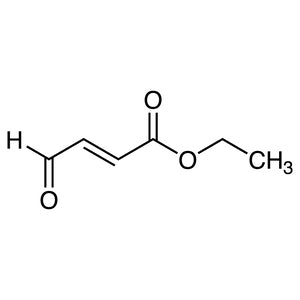
Methyl Pent-4-enoate is a chemical compound widely used in laboratory settings for its versatility in organic synthesis. As a building block in chemical reactions, it plays a crucial role in the development of more complex molecules. Its simple molecular structure makes it an ideal starting material for various synthetic pathways, enabling researchers to explore new chemical transformations. This compound is particularly valuable in the creation of esters, aromatic compounds, and other functional groups that find applications across multiple scientific disciplines.
The chemical properties of Methyl Pent-4-enoate make it a preferred choice for laboratory use. It exhibits good stability and moderate reactivity, which facilitates its integration into a wide range of reaction conditions. Its mild nature allows it to be used in both academic and industrial settings without requiring extreme handling. Additionally, it has a light odor and is non-toxic, contributing to a safer working environment. These characteristics ensure that it remains a reliable and accessible material for routine chemical experiments.
In Indonesian laboratories, Methyl Pent-4-enoate is commonly used in both fundamental and applied research. It is a staple in educational institutions and research centers, where it supports experiments in organic synthesis, reactivity testing, and the development of new chemical products. Its availability and safety profile make it a go-to compound for chemists working on diverse projects, from pharmaceutical research to material science applications.
- Organic synthesis experiments benefit from Methyl Pent-4-enoate due to its reactivity and versatility in forming ester and aromatic compounds.
- It is ideal for teaching laboratories where students learn about chemical reactions and molecular structure.
- Pharmaceutical research utilizes this compound for the development of new drug compounds and functional derivatives.
- Material science applications often incorporate Methyl Pent-4-enoate in the creation of polymer-based materials and coatings.
- Environmental studies may use it to analyze the behavior of organic compounds in different chemical environments.
| Brand | TCI |
|---|---|
| CAS number | 818-57-5 |
| Molecular formula | — |
| Purity | — |
| Category | Chemistry > Building Blocks > Non-Heterocyclic Building Blocks |
| Pack sizes | Available in standard laboratory quantities |
| Physical form | Liquid |
| Storage | Store in a cool, dry place away from direct sunlight |
Methyl Pent-4-enoate should be stored in a cool, dry environment to maintain its stability and prevent degradation. It is recommended to keep the compound in a tightly sealed container to minimize exposure to air and moisture. Suitable storage containers include glass or high-density polyethylene bottles, which are resistant to chemical interaction. General laboratory precautions include ensuring proper ventilation and avoiding contact with skin or inhalation of vapors. While it is considered non-toxic, it should still be handled with care in accordance with standard safety protocols. Its mild nature allows for routine use, but all standard laboratory safety measures should be followed to ensure a safe working environment.
—
Produk Terkait
-
MethylBut-3-enoate TCI M3405
Regular price From Rp 2.625.000,00Regular price -
EthylBut-3-enoate(stabilizedwithMEHQ) TCI E1638
Regular price From Rp 1.035.300,00Regular price -
Ethyl(E)-4-Oxobut-2-enoate TCI E1576
Regular price From Rp 980.700,00Regular price -
EthylHex-3-enoate TCI E0797
Regular price From Rp 2.068.500,00Regular price