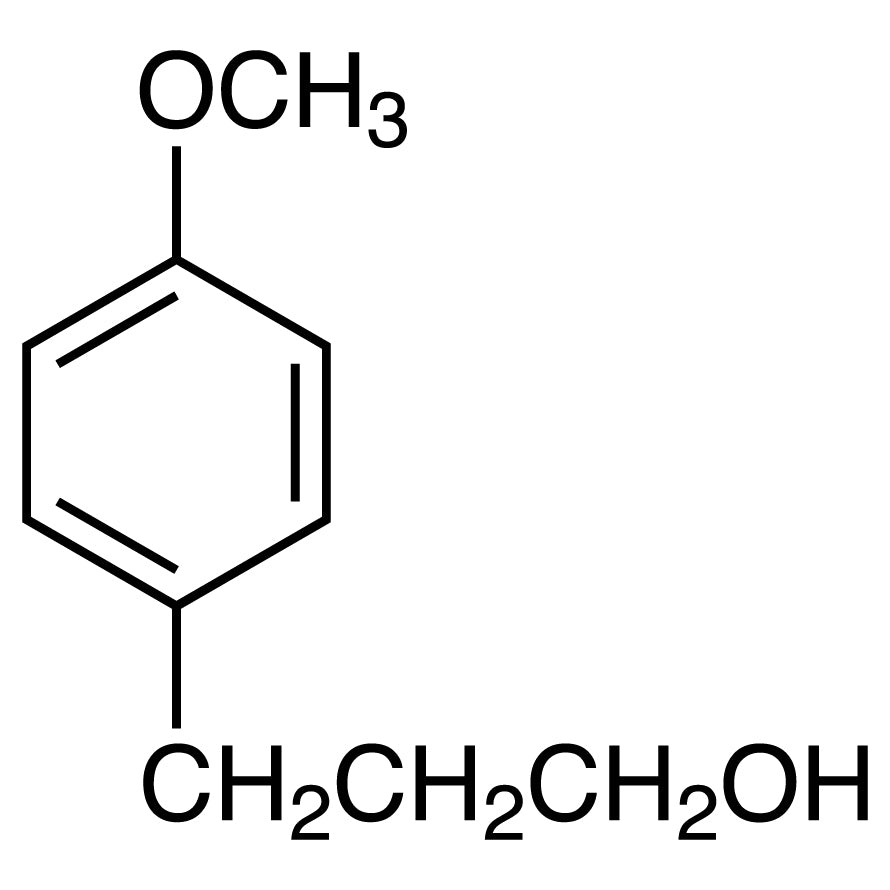
3-(4-Methoxyphenyl)propan-1-ol is a chemical compound widely used as a building block in the synthesis of complex organic molecules. It serves as a versatile intermediate in various chemical reactions, particularly those involving functional groups such as hydroxyl. Its role in the laboratory is critical for researchers aiming to create compounds with specific structural and functional properties. This compound is frequently utilized in organic chemistry, pharmaceutical, and biochemical research due to its adaptability and reactivity.
The compound's stability and reactivity under controlled conditions make it a preferred choice for synthetic chemists. Its molecular structure includes both methoxy and hydroxyl groups, which contribute to its functional versatility. These groups allow for a wide range of chemical transformations, making it an essential component in the development of bioactive compounds. The presence of these functional groups enhances its utility in creating molecules with specific biological activities.
In Indonesian laboratories, 3-(4-Methoxyphenyl)propan-1-ol is commonly used in research related to organic chemistry, pharmaceutical development, and biochemical studies. Its availability in the local market supports local research efforts, reducing the need for imports. Institutions and research centers in Indonesia rely on this compound for experiments requiring specific structural building blocks. Its consistent supply and reliability make it a valuable resource for scientific investigations.
Related TCI products
- TCI C3527 6282-88-8 3-(4-Chlorophenyl)propan-1-ol
- TCI T1651 19920-00-4 1,1,2,2-Tetrakis(4-methoxyphenyl)-1,2-ethanediol
- TCI M3716 37614-59-8 3-(4-Methoxyphenyl)prop-2-yn-1-ol
- TCI M3577 23308-82-9 1-(3-Methoxyphenyl)ethanol
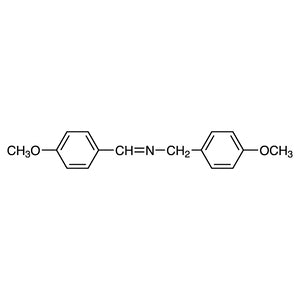
- TCI M3543 3261-60-7 N-(4-Methoxybenzyl)-1-(4-methoxyphenyl)methanimine
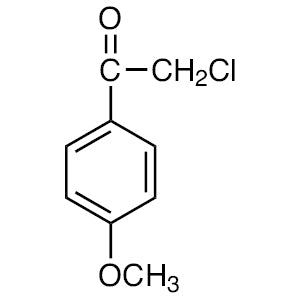
- TCI M3268 2196-99-8 2-Chloro-1-(4-methoxyphenyl)ethanone
- Organic synthesis of bioactive compounds due to its functional groups and reactivity.
- Pharmaceutical research for the development of new drug molecules with targeted structures.
- Biochemical experiments requiring stable and reactive intermediates for compound modification.
- Structural analysis of aromatic compounds through its role as a synthetic precursor.
- Educational purposes in teaching organic chemistry and synthetic methodologies.
| Brand | TCI |
|---|---|
| CAS number | 5406-18-8 |
| Molecular formula | — |
| Purity | — |
| Category | Chemistry > Building Blocks > Non-Heterocyclic Building Blocks |
| Pack sizes | Available in various quantities as per standard laboratory requirements |
| Physical form | Liquid |
| Storage | Store in a cool, dry place away from direct sunlight |
This compound should be stored in a cool, dry place, away from direct sunlight and sources of heat. It is recommended to use airtight containers to prevent moisture absorption and contamination. Due to its reactive nature, it should be handled with appropriate personal protective equipment, including gloves and safety goggles. Proper ventilation is essential when working with this material to minimize exposure. It is important to keep it away from incompatible substances such as strong oxidizing agents. Regular inspection of storage conditions ensures the integrity and safety of the compound in the laboratory environment.
—
Produk Terkait
-
3-(4-Chlorophenyl)propan-1-ol TCI C3527
Regular price From Rp 875.700,00Regular price -
1,1,2,2-Tetrakis(4-methoxyphenyl)-1,2-ethanediol TCI T1651
Regular price Rp 7.500.150,00Regular price -
3-(4-Methoxyphenyl)prop-2-yn-1-ol TCI M3716
Regular price Rp 6.599.250,00Regular price -
1-(3-Methoxyphenyl)ethanol TCI M3577
Regular price From Rp 2.571.450,00Regular price -
N-(4-Methoxybenzyl)-1-(4-methoxyphenyl)methanimine TCI M3543
Regular price From Rp 1.908.900,00Regular price -
2-Chloro-1-(4-methoxyphenyl)ethanone TCI M3268
Regular price From Rp 2.730.000,00Regular price -
1-(4-Methoxyphenyl)ethynyl-4-pentylbenzene TCI M3230
Regular price From Rp 2.279.550,00Regular price -
9-(4-Methoxyphenyl)xanthen-9-ol TCI M1225
Regular price Rp 4.902.450,00Regular price