2-Chloro-1-(4-methoxyphenyl)ethanone is a chemical compound widely used as a foundational building block in organic synthesis. It plays a crucial role in laboratories by enabling the creation of complex organic molecules through various chemical reactions. This compound is particularly valuable in the development of pharmaceuticals and other specialized chemical products. Its versatility makes it an essential tool for researchers working on synthetic pathways that require high reactivity and structural flexibility.
The compound’s unique chemical properties, including the presence of a chloro group and a methoxyphenyl group, contribute to its reactivity and ability to participate in nucleophilic and electrophilic reactions. These characteristics make it a preferred choice for chemists seeking to manipulate molecular structures with precision. Its stability and availability further enhance its appeal in laboratory settings, ensuring consistent results across different experimental conditions.
In Indonesian laboratories, 2-Chloro-1-(4-methoxyphenyl)ethanone is commonly used in organic chemistry research, both in academic institutions and research centers. Its role in drug development and material science applications highlights its importance in advancing scientific innovation. The compound’s reliability and adaptability make it a go-to reagent for a wide range of chemical investigations.
Related TCI products
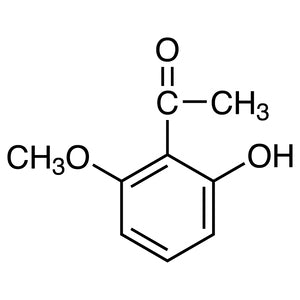
- TCI H1529 703-23-1 1-(2-Hydroxy-6-methoxyphenyl)ethanone
- TCI H1946 6100-74-9 1-(3-Hydroxy-4-methoxyphenyl)ethan-1-one
- TCI H1578 39604-68-7 2'-Hydroxy-4',6'-dimethoxy-2-(4-methoxyphenyl)acetophenone
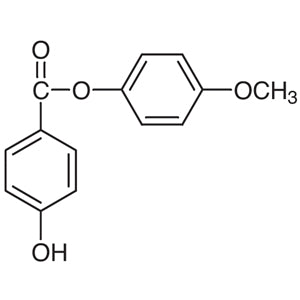
- TCI H0825 50687-62-2 4-Methoxyphenyl 4-Hydroxybenzoate
- TCI H0538 77305-02-3 Sodium 3-(4-Hydroxy-3-methoxyphenyl)lactate
- TCI C3974 22303-36-2 2-Chloro-N-(4-methoxyphenyl)acetamide
- Organic synthesis applications benefit from its reactivity and structural versatility, allowing for the creation of complex molecules.
- Pharmaceutical research utilizes it as a key intermediate in the development of new drug compounds and therapeutic agents.
- Material science experiments leverage its chemical properties to design and synthesize advanced functional materials.
- Academic research in chemistry relies on its stability and availability for teaching and experimental purposes.
- Industrial chemical processes incorporate it as a building block for producing specialized chemical products and intermediates.
| Brand | TCI |
|---|---|
| CAS number | 2196-99-8 |
| Molecular formula | — |
| Purity | — |
| Category | Chemistry > Building Blocks > Non-Heterocyclic Building Blocks |
| Pack sizes | Available in various quantities to suit different laboratory needs |
| Physical form | Solid or liquid, depending on the specific product variant |
| Storage | Store in a cool, dry place away from direct sunlight and moisture |
This compound should be stored in a cool, dry environment, away from direct sunlight and moisture to maintain its stability and effectiveness. It is recommended to use airtight containers made of glass or polyethylene to prevent contamination and exposure to air. Due to its chemical reactivity, it should be handled with appropriate personal protective equipment, including gloves and safety goggles. Proper ventilation is essential when working with this compound to minimize inhalation risks. Laboratory personnel should follow standard safety protocols to ensure safe handling and prevent accidental exposure. Regular monitoring of storage conditions is advised to ensure the compound remains in optimal condition for use.
—
Produk Terkait
-
1-(2-Hydroxy-6-methoxyphenyl)ethanone TCI H1529
Regular price From Rp 1.087.800,00Regular price -
1-(3-Hydroxy-4-methoxyphenyl)ethan-1-one TCI H1946
Regular price From Rp 1.115.100,00Regular price -
2'-Hydroxy-4',6'-dimethoxy-2-(4-methoxyphenyl)acetophenone TCI H1578
Regular price From Rp 1.776.600,00Regular price -
4-Methoxyphenyl4-Hydroxybenzoate TCI H0825
Regular price From Rp 4.531.800,00Regular price -
Sodium3-(4-Hydroxy-3-methoxyphenyl)lactate TCI H0538
Regular price From Rp 3.392.550,00Regular price -
2-Chloro-N-(4-methoxyphenyl)acetamide TCI C3974
Regular price From Rp 3.683.400,00Regular price -
Methyl3-Chloro-4-hydroxybenzoate TCI M3513
Regular price From Rp 1.458.450,00Regular price -
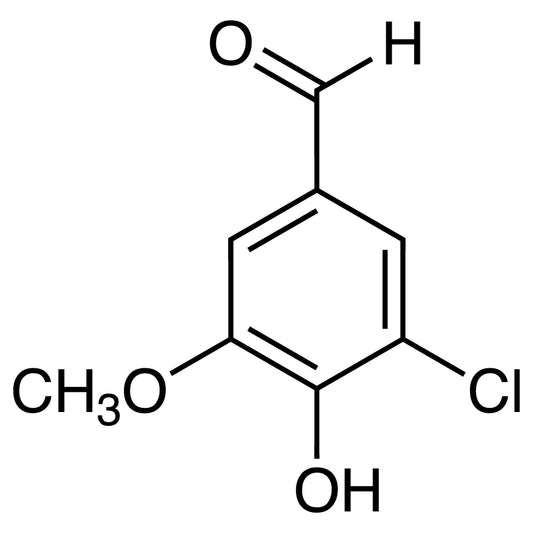
3-Chloro-4-hydroxy-5-methoxybenzaldehyde TCI C3987
Regular price From Rp 955.500,00Regular price