3-(4-Methoxyphenyl)prop-2-yn-1-ol is a chemical compound widely used in organic synthesis reactions within laboratory settings. This compound serves as a versatile building block, enabling the creation of more complex molecules through various chemical transformations. Its molecular structure includes a methoxyphenyl group connected to a propynol chain, making it a valuable intermediate in synthetic pathways. Due to its reactivity and structural versatility, it is frequently employed in research and development across multiple scientific disciplines.
The compound’s reactivity stems from its alkynyl group and methoxyphenyl moiety, which allow it to participate in a wide range of chemical reactions. These include coupling reactions, substitution processes, and hydrolysis, making it a preferred choice for chemists seeking to modify molecular structures. Its ability to interact with various reagents, such as alkali metals, halides, and organic compounds, further enhances its utility. This flexibility in reactivity makes it a key component in the synthesis of pharmaceuticals, industrial chemicals, and other specialized compounds.
In Indonesian laboratories, 3-(4-Methoxyphenyl)prop-2-yn-1-ol is commonly used in organic chemistry research, particularly in the development of new drugs and chemical materials. Its role in building complex molecular structures supports both academic and industrial research efforts. Researchers in Indonesia rely on this compound for its reliability and effectiveness in synthetic processes, contributing to the advancement of chemical sciences in the region.
Related TCI products
- TCI T1651 19920-00-4 1,1,2,2-Tetrakis(4-methoxyphenyl)-1,2-ethanediol
- TCI M3577 23308-82-9 1-(3-Methoxyphenyl)ethanol
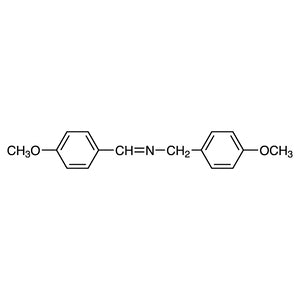
- TCI M3543 3261-60-7 N-(4-Methoxybenzyl)-1-(4-methoxyphenyl)methanimine
- TCI M3514 5406-18-8 3-(4-Methoxyphenyl)propan-1-ol
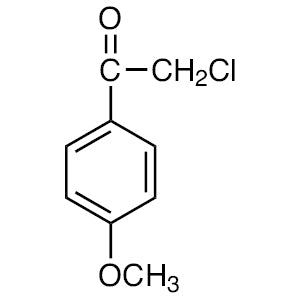
- TCI M3268 2196-99-8 2-Chloro-1-(4-methoxyphenyl)ethanone
- TCI M3230 39969-28-3 1-(4-Methoxyphenyl)ethynyl-4-pentylbenzene
- Organic synthesis is a primary application where this compound serves as a key intermediate in the construction of complex molecules.
- Drug development benefits from its reactivity, allowing for the modification of molecular structures to create new pharmaceutical compounds.
- Industrial chemical production utilizes this compound due to its ability to participate in various chemical transformations.
- Research in polymer chemistry leverages its structural features for the creation of novel materials with specific properties.
- Analytical chemistry applications benefit from its stability and reactivity, enabling precise chemical reactions and compound identification.
| Brand | TCI |
|---|---|
| CAS number | 37614-59-8 |
| Molecular formula | — |
| Purity | — |
| Category | Chemistry > Building Blocks > Non-Heterocyclic Building Blocks |
| Pack sizes | Available in standard laboratory quantities |
| Physical form | Solid or liquid, depending on the specific product variant |
| Storage | Store in a cool, dry place away from direct sunlight |
This compound should be stored in a cool, dry environment to maintain its chemical integrity. It is recommended to use airtight containers to prevent exposure to moisture and air, which may affect its stability. Handling should be done with appropriate personal protective equipment, such as gloves and safety goggles, to ensure laboratory safety. Due to its reactivity, it should be kept away from incompatible substances like strong oxidizers or acids. Proper ventilation is essential when working with this compound to minimize inhalation risks. Regular monitoring of storage conditions ensures the compound remains suitable for use in laboratory applications.
—
Produk Terkait
-
1,1,2,2-Tetrakis(4-methoxyphenyl)-1,2-ethanediol TCI T1651
Regular price Rp 7.552.650,00Regular priceRp 5.297.250,00Sale price Rp 7.552.650,00 -
1-(3-Methoxyphenyl)ethanol TCI M3577
Regular price From Rp 2.623.950,00Regular priceRp 1.850.100,00Sale price From Rp 2.623.950,00 -
N-(4-Methoxybenzyl)-1-(4-methoxyphenyl)methanimine TCI M3543
Regular price From Rp 1.961.400,00Regular priceRp 1.387.050,00Sale price From Rp 1.961.400,00 -
3-(4-Methoxyphenyl)propan-1-ol TCI M3514
Regular price From Rp 1.298.850,00Regular priceRp 924.000,00Sale price From Rp 1.298.850,00 -
2-Chloro-1-(4-methoxyphenyl)ethanone TCI M3268
Regular price From Rp 2.782.500,00Regular priceRp 1.961.400,00Sale price From Rp 2.782.500,00 -
1-(4-Methoxyphenyl)ethynyl-4-pentylbenzene TCI M3230
Regular price From Rp 2.279.550,00Regular priceRp 1.593.900,00Sale price From Rp 2.279.550,00 -
9-(4-Methoxyphenyl)xanthen-9-ol TCI M1225
Regular price Rp 4.954.950,00Regular priceRp 3.480.750,00Sale price Rp 4.954.950,00 -
1-(3-Hydroxy-4-methoxyphenyl)ethan-1-one TCI H1946
Regular price From Rp 1.167.600,00Regular priceRp 831.600,00Sale price From Rp 1.167.600,00