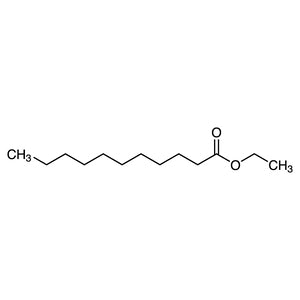
Tetradecyl Tetradecanoate is a chemical compound widely used in scientific experiments, particularly in the fields of biochemistry and life sciences. This compound is a long-chain hydrocarbon with a complex molecular structure composed of two hydrocarbon chains, which gives it non-polar characteristics. Its inability to dissolve in water makes it a valuable component in various laboratory applications. As a lipid-based compound, it is commonly used as a reagent or a raw material for the synthesis of other compounds. Its unique chemical properties make it an essential tool for researchers working on lipid-related studies.
The non-polar nature of Tetradecyl Tetradecanoate, combined with its solubility in organic solvents, makes it a preferred choice for many laboratory procedures. This property allows it to act as a solvent in specific chemical reactions, facilitating the dissolution of other non-polar substances. Its stability under normal conditions ensures consistent results in experiments, which is crucial for reliable scientific research. Additionally, its low toxicity at normal dosages contributes to its safety profile, making it suitable for use in controlled laboratory environments.
In Indonesian laboratories, Tetradecyl Tetradecanoate is extensively used in biochemical, pharmaceutical, and environmental research. It is commonly found in laboratories focused on drug development, biological component analysis, and lipid studies. Its versatility and reliability make it an essential reagent for a wide range of scientific investigations, supporting both academic and industrial research efforts.
TCI brochures (PDF)
- Lipids 2025-12-17 · p. 14
- Pharmaceutical Ingredients for Research and Experimental Use 2026-03-09 · p. 50
- Biochemical Research: Tetradecyl Tetradecanoate is used in biochemical experiments to study lipid structures and their interactions with other molecules, aiding in the understanding of cellular processes.
- Pharmaceutical Development: It serves as a key reagent in the synthesis of lipid-based compounds, supporting the development of new drugs and therapeutic agents.
- Environmental Analysis: This compound is utilized in environmental studies to analyze lipid content in various samples, helping assess pollution levels and ecological impacts.
- Lipid Synthesis: Due to its molecular structure, it is a preferred material for the synthesis of other lipid compounds, contributing to the advancement of lipid chemistry.
- Solvent in Organic Reactions: Its solubility in organic solvents makes it an ideal choice for use in chemical reactions requiring non-polar solvents.
| Brand | TCI |
|---|---|
| CAS number | 3234-85-3 |
| Molecular formula | — |
| Purity | — |
| Category | Life Science > Biochemicals and Reagents > Lipids |
| Pack sizes | Available in various quantities as per supplier specifications |
| Physical form | Solid or liquid, depending on the specific product formulation |
| Storage | Store in a cool, dry place away from direct sunlight and moisture |
Tetradecyl Tetradecanoate should be stored in a cool, dry environment to maintain its stability and prevent degradation. It is recommended to use airtight containers to protect it from moisture and contaminants. Due to its non-polar nature, it should be handled with care to avoid exposure to incompatible substances. In laboratory settings, it is important to follow standard safety protocols, such as using appropriate personal protective equipment. Proper labeling of containers is essential to ensure safe handling and prevent accidental use. Regular inspection of storage conditions ensures the compound remains in optimal condition for use in scientific experiments.
—
Product Categories
- Biochemicals and ReagentsLipidsFatty Acyls
- Biochemicals and ReagentsPharmaceutical Research Reagents (for Experimental Use)Cosmetic Research Reagents (for Experimental Use)
- Pharmaceutical Development and Drug Discovery ResearchPharmaceutical Research Reagents (for Experimental Use)Cosmetic Research Reagents (for Experimental Use)
Produk Terkait
-
2-OctyldodecylTetradecanoate TCI O0701
Regular price Rp 2.121.000,00Regular priceRp 1.498.350,00Sale price Rp 2.121.000,00 -
1-Tetradecanol TCI T0084
Regular price From Rp 477.750,00Regular priceRp 333.900,00Sale price From Rp 477.750,00 -
Tetradecanal TCI T2696
Regular price Rp 8.825.250,00Regular priceRp 6.170.850,00Sale price Rp 8.825.250,00 -
MethylUndecanoate TCI U0050
Regular price Rp 3.153.150,00Regular priceRp 2.220.750,00Sale price Rp 3.153.150,00 -
EthylUndecanoate TCI U0049
Regular price From Rp 1.167.600,00Regular priceRp 831.600,00Sale price From Rp 1.167.600,00 -
PropylDodecanoate TCI P3211
Regular price From Rp 1.167.600,00Regular priceRp 831.600,00Sale price From Rp 1.167.600,00 -
MethylNonadecanoate TCI N0460
Regular price From Rp 4.240.950,00Regular priceRp 2.980.950,00Sale price From Rp 4.240.950,00 -
EthylNonadecanoate TCI N0459
Regular price From Rp 2.359.350,00Regular priceRp 1.665.300,00Sale price From Rp 2.359.350,00