Methyl alpha-L-Rhamnopyranoside is a chemical compound widely used in laboratory research across the fields of chemical biology and glycoscience. As a derivative of rhamnose, a naturally occurring sugar, it plays a crucial role in the study of molecular structures and biological interactions. This compound is particularly valuable for its ability to participate in complex chemical reactions, making it an essential tool for researchers aiming to explore glycosylation processes and glycan analogs. Its presence in various biochemical pathways also makes it a key component in the development of new therapeutic agents and diagnostic tools.
The stability of Methyl alpha-L-Rhamnopyranoside and its capacity to form stable bonds with other molecules make it a preferred choice for laboratory applications. Its well-defined molecular structure and high chemical consistency ensure reliable results in analytical procedures. Additionally, its solubility in organic solvents such as ethyl acetate and acetone facilitates efficient chemical reactions and purification processes. These properties contribute to its widespread use in both academic and industrial research settings.
In Indonesian laboratories, Methyl alpha-L-Rhamnopyranoside is commonly used in biochemical and pharmaceutical research. It is particularly favored for its role in glycoscience studies, where it helps in the synthesis of complex carbohydrates and glycoconjugates. Its versatility and reliability make it an essential reagent for researchers working on molecular interactions and structural modifications in biological systems.
Related TCI products
- TCI T2641 22224-41-5 1,3,5-Tri-O-benzoyl-alpha-D-ribofuranose
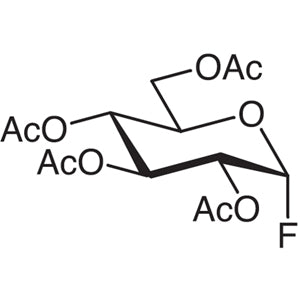
- TCI T1995 3934-29-0 2,3,4,6-Tetra-O-acetyl-alpha-D-glucopyranosyl Fluoride
- TCI T1922 89025-46-7 2,3,4,6-Tetra-O-benzyl-alpha-D-glucopyranosyl Fluoride
- TCI T1733 68733-20-0 1,3,4,6-Tetra-O-acetyl-2-azido-2-deoxy-alpha-D-mannopyranose
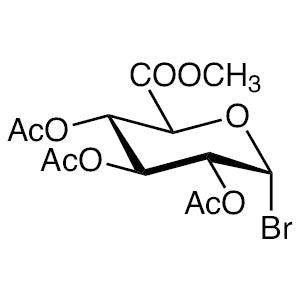
- TCI A3379 21085-72-3 Acetobromo-alpha-D-glucuronic Acid Methyl Ester
- TCI P3253 4163-59-1 1,2,3,4,6-Penta-O-acetyl-alpha-D-galactopyranose
- Glycosylation Studies – Methyl alpha-L-Rhamnopyranoside is ideal for studying glycosylation processes due to its structural similarity to natural sugars, enabling the synthesis of glycoconjugates and glycan analogs.
- Carbohydrate Synthesis – The compound’s reactivity and stability make it suitable for the synthesis of complex carbohydrates, supporting research in glycobiology and biochemistry.
- Molecular Interaction Research – Its ability to form stable bonds with various molecules makes it useful for investigating molecular interactions in biochemical pathways.
- Structural Modification of Glycans – The compound is frequently used to modify glycan structures, aiding in the development of new therapeutic agents and diagnostic tools.
- Analytical Chemistry Applications – Its high chemical consistency and solubility in organic solvents make it a valuable reagent for analytical procedures and purification techniques.
| Brand | TCI |
|---|---|
| CAS number | 14917-55-6 |
| Molecular formula | — |
| Purity | — |
| Category | Chemistry > Chemical Biology > Glycoscience |
| Pack sizes | Available in various quantities as per supplier specifications |
| Physical form | Solid |
| Storage | Store in a cool, dry place away from moisture and direct sunlight |
Methyl alpha-L-Rhamnopyranoside should be stored in a cool, dry environment to maintain its chemical stability and prevent degradation. It is recommended to keep the compound in a sealed container to avoid exposure to moisture and air, which can affect its purity and reactivity. Suitable storage containers include glass or high-density polyethylene vessels that are resistant to chemical interactions. In laboratory settings, it is important to handle the compound with appropriate personal protective equipment, such as gloves and safety goggles, to ensure safe handling. Proper labeling of containers is also essential for safe storage and easy identification. Regular inspection of storage conditions and container integrity should be conducted to maintain the compound’s quality and usability.
—
Produk Terkait
-
1,3,5-Tri-O-benzoyl-alpha-D-ribofuranose TCI T2641
Regular price From Rp 1.776.600,00Regular price -
2,3,4,6-Tetra-O-acetyl-alpha-D-glucopyranosylFluoride TCI T1995
Regular price Rp 3.312.750,00Regular price -
2,3,4,6-Tetra-O-benzyl-alpha-D-glucopyranosylFluoride TCI T1922
Regular price Rp 4.584.300,00Regular price -
1,3,4,6-Tetra-O-acetyl-2-azido-2-deoxy-alpha-D-mannopyranose TCI T1733
Regular price Rp 5.460.000,00Regular price -
Acetobromo-alpha-D-glucuronicAcidMethylEster TCI A3379
Regular price Rp 2.809.800,00Regular price -
1,2,3,4,6-Penta-O-acetyl-alpha-D-galactopyranose TCI P3253
Regular price From Rp 1.115.100,00Regular price -
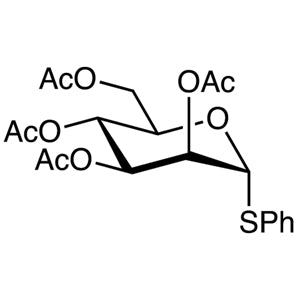
Phenyl2,3,4,6-Tetra-O-acetyl-1-thio-alpha-D-mannopyranoside TCI P2521
Regular price Rp 5.803.350,00Regular price -
PhenylN-Acetyl-alpha-D-glucosaminide TCI P0130
Regular price Rp 3.100.650,00Regular price