Trisodium Naphthalene-1,3,6-trisulfonate is a chemical compound widely used in laboratory settings for its versatile chemical properties and reactivity. As a building block in organic chemistry, it plays a crucial role in the synthesis of complex molecules and functionalized compounds. Its unique structure, derived from naphthalene with three sulfonate groups, makes it a valuable reagent in various chemical reactions. This compound is particularly useful for creating molecules with specific solubility and reactivity characteristics, which are essential in advanced chemical research.
The compound’s ability to interact with a wide range of functional groups makes it a preferred choice for synthetic chemists. Its high solubility in organic solvents enhances its usability in reaction mixtures, allowing for efficient mixing and reaction processes. Additionally, its stability under controlled laboratory conditions ensures consistent results in experiments. These properties make it an essential component in both academic and industrial research environments.
In Indonesian laboratories, Trisodium Naphthalene-1,3,6-trisulfonate is commonly used in organic chemistry research, especially in the development of new materials and the synthesis of complex organic compounds. Its role in polymer science and heterocyclic synthesis further highlights its importance in modern chemical research. Researchers in Indonesia rely on this compound for its reliability and effectiveness in various experimental setups.
Related TCI products
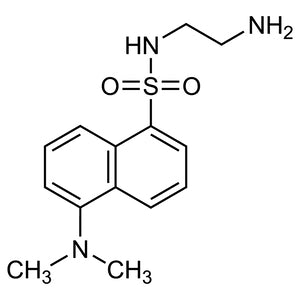
- TCI D6499 35060-08-3 N-(2-Aminoethyl)-5-(dimethylamino)naphthalene-1-sulfonamide
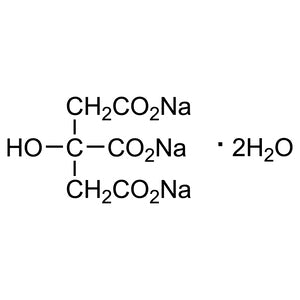
- TCI T4390 6132-04-3 Trisodium Citrate Dihydrate
- TCI V0037 330581-20-9 Disodium 1-Naphthol-3,6-disulfonate Hydrate
- TCI N0268 525-05-3 Disodium 1-Nitroso-2-naphthol-3,6-disulfonate Monohydrate
- TCI I0038 35908-31-7 Inosine 5'-Triphosphate Trisodium Salt
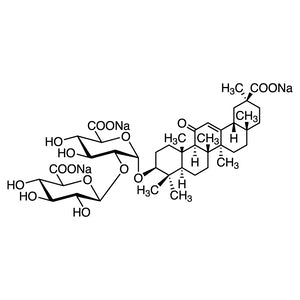
- TCI G0217 71277-78-6 Trisodium Glycyrrhizinate
- Organic synthesis experiments benefit from this compound due to its reactivity and ability to form stable intermediates in complex molecule creation.
- Polymer research utilizes it as a building block for creating functionalized polymers with specific chemical properties.
- Heterocyclic compound synthesis relies on its structural versatility to form diverse ring systems with tailored functionalities.
- Material development projects use it to create compounds with enhanced solubility and chemical stability.
- Analytical chemistry applications take advantage of its solubility and reactivity for various spectroscopic and chromatographic studies.
| Brand | TCI |
|---|---|
| CAS number | 5182-30-9 |
| Molecular formula | — |
| Purity | — |
| Category | Chemistry > Building Blocks > Non-Heterocyclic Building Blocks |
| Pack sizes | Available in various quantities as per standard laboratory supply options |
| Physical form | Solid powder |
| Storage | Store in a cool, dry place away from direct sunlight and moisture |
Trisodium Naphthalene-1,3,6-trisulfonate should be stored in a cool, dry environment to maintain its chemical integrity. It is recommended to keep it in a sealed container to prevent exposure to moisture and air. Due to its chemical nature, it should be handled in a well-ventilated laboratory area to minimize inhalation risks. Avoid contact with skin and eyes, and use appropriate personal protective equipment when handling. The compound is generally stable under normal laboratory conditions but should be stored away from incompatible substances such as strong oxidizing agents. Proper storage ensures the compound remains effective for use in chemical research and synthesis processes.
—
Produk Terkait
-
N-(2-Aminoethyl)-5-(dimethylamino)naphthalene-1-sulfonamide TCI D6499
Regular price Rp 1.936.200,00Regular price -
TrisodiumCitrateDihydrate TCI T4390
Regular price From Rp 452.550,00Regular price -
Disodium1-Naphthol-3,6-disulfonateHydrate TCI V0037
Regular price Rp 584.850,00Regular price -
Disodium1-Nitroso-2-naphthol-3,6-disulfonateMonohydrate TCI N0268
Regular price From Rp 1.035.300,00Regular price -
Inosine5'-TriphosphateTrisodiumSalt TCI I0038
Regular price Rp 2.545.200,00Regular price -
TrisodiumGlycyrrhizinate TCI G0217
Regular price Rp 3.976.350,00Regular price -
Trisodium2-(4-Sulfophenylazo)-1,8-dihydroxynaphthalene-3,6-disulfonate TCI D0604
Regular price Rp 1.298.850,00Regular price -
Cytidine5'-DiphosphateTrisodiumSalt TCI C0523
Regular price From Rp 477.750,00Regular price