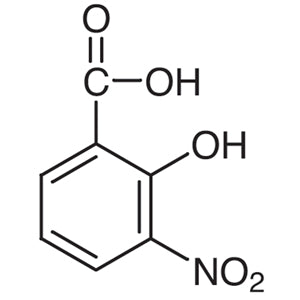
3-Nitrosalicylic Acid (CAS 85-38-1) is a chemical compound widely used in laboratory settings for its versatile reactivity and functional properties. It belongs to the category of non-heterocyclic building blocks and is commonly employed in organic synthesis due to its ability to participate in various chemical reactions. This compound serves as a key intermediate in the development of complex molecules, making it an essential tool for chemists working in both research and industrial applications. Its presence in multiple chemical processes highlights its importance in modern laboratory practices.
The compound’s structure, featuring a nitro group and a salicylic acid moiety, contributes to its reactivity and functional versatility. These chemical features enable it to undergo substitution and reduction reactions, making it suitable for a wide range of synthetic pathways. Its oxidizing properties further enhance its utility in reactions requiring oxidative conditions. These characteristics make 3-Nitrosalicylic Acid a preferred choice for chemists seeking reliable and effective reagents for their experiments.
In Indonesian laboratories, 3-Nitrosalicylic Acid is frequently used in both fundamental and applied chemical research. It is commonly found in pharmaceutical and industrial applications, supporting the development of new compounds and materials. Its availability in the local market ensures its continued use in various scientific and industrial contexts, reinforcing its relevance in the chemical research landscape of Indonesia.
- Organic synthesis: 3-Nitrosalicylic Acid is ideal for creating complex organic molecules due to its reactive functional groups.
- Pharmaceutical development: It is used in the synthesis of drug compounds, contributing to the creation of new therapeutic agents.
- Analytical chemistry: Its chemical properties make it suitable for use in analytical procedures requiring reagents with specific reactivity.
- Industrial chemical production: It serves as a building block for the manufacture of various industrial chemicals and materials.
- Research and development: It is a valuable reagent in R&D settings, supporting innovation in chemical processes and material science.
| Brand | TCI |
|---|---|
| CAS number | 85-38-1 |
| Molecular formula | — |
| Purity | — |
| Category | Chemistry > Building Blocks > Non-Heterocyclic Building Blocks |
| Pack sizes | Available in standard laboratory quantities |
| Physical form | Solid |
| Storage | Store in a cool, dry place away from direct sunlight |
3-Nitrosalicylic Acid should be stored in a cool, dry environment to maintain its chemical stability. It is recommended to keep it in airtight containers to prevent exposure to moisture and air, which could affect its reactivity. Due to its oxidizing properties, it should be handled with care, using appropriate personal protective equipment such as gloves and safety goggles. It is important to store it separately from incompatible substances to avoid potential chemical reactions. In laboratory settings, it should be kept in a well-ventilated area to ensure safe handling and minimize any risk of exposure. Proper storage and handling procedures are essential to maintain the integrity and effectiveness of this chemical compound.
—
Produk Terkait
-
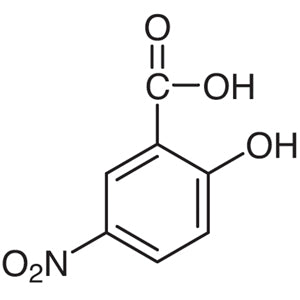
5-NitrosalicylicAcid TCI N0257
Regular price From Rp 1.485.750,00Regular price -
4-NitrosalicylicAcid TCI N0256
Regular price From Rp 3.605.700,00Regular price -
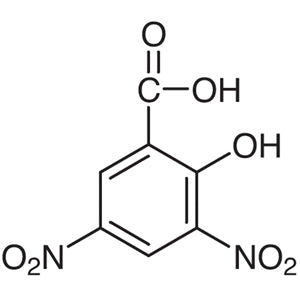
3,5-DinitrosalicylicAcid TCI D0850
Regular price From Rp 1.035.300,00Regular price -
3-Bromo-5-nitrosalicylaldehyde TCI B3198
Regular price From Rp 1.167.600,00Regular price -
5-Bromo-3-nitrosalicylaldehyde TCI B0908
Regular price From Rp 769.650,00Regular price -
3-Nitrosalicylaldehyde TCI N0823
Regular price From Rp 477.750,00Regular price -
5-Nitrosalicylaldehyde TCI N0255
Regular price From Rp 875.700,00Regular price -
5-Chloro-3-nitrosalicylaldehyde TCI C2249
Regular price Rp 1.246.350,00Regular price