4-Nitrosophenol is a chemical compound widely used as a building block in various chemical reactions, particularly in the synthesis of aromatic and heterocyclic compounds. It plays a crucial role in organic chemistry laboratories, where it serves as a key reagent in electrophilic substitution and oxidation reactions. Its versatility makes it an essential component in the development of new compounds with applications in pharmaceuticals, industrial processes, and analytical chemistry.
This compound is valued for its high solubility in organic solvents and its chemical stability under specific conditions. These properties make it a preferred choice for researchers seeking reliable and consistent results in their experiments. Additionally, its reactivity allows for a wide range of chemical transformations, including nitro and substitution reactions. The presence of approximately 40% water in the product simplifies handling and mixing, thereby accelerating chemical reactions in the lab.
In Indonesian laboratories, 4-Nitrosophenol is commonly used in organic chemistry research, especially in projects focused on the synthesis of new compounds. It is also an integral part of advanced chemistry practical courses, where students gain hands-on experience with complex chemical reactions and techniques. Its widespread use underscores its importance in both academic and industrial research settings.
Related TCI products
- TCI D2166 609-93-8 2,6-Dinitro-p-cresol (wetted with ca. 20% Water) (unit weight on dry weight basis)
- TCI D0109 51-28-5 2,4-Dinitrophenol (wetted with ca. 20% Water) (unit weight on dry weight basis)
- TCI A3477 768-95-6 Adamantan-1-ol (99.99%, trace metals basis)
- TCI N0206 556-88-7 Nitroguanidine (wetted with ca. 25% Water) (unit weight on dry weight basis)
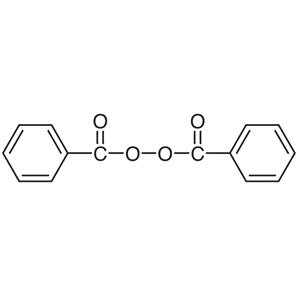
- TCI B3152 94-36-0 Benzoyl Peroxide (wetted with ca. 25% Water)
- TCI R0322 7440-18-8 Ruthenium 5% on Carbon, SD type (wetted with ca 55% Water)
- Organic synthesis is a key application where 4-Nitrosophenol is used to produce aromatic and heterocyclic compounds due to its reactivity and versatility.
- Electrophilic substitution reactions benefit from the compound's ability to participate in various chemical transformations, making it a valuable reagent.
- Oxidation processes often utilize 4-Nitrosophenol as a component due to its stability and compatibility with different reaction conditions.
- Pharmaceutical research leverages its properties to develop new compounds with potential therapeutic applications.
- Analytical chemistry applications include its use in the identification and quantification of various chemical substances through its unique reactivity.
| Brand | TCI |
|---|---|
| CAS number | 104-91-6 |
| Molecular formula | — |
| Purity | — |
| Category | Chemistry > Building Blocks > Non-Heterocyclic Building Blocks |
| Pack sizes | — |
| Physical form | Wetted with approximately 40% water |
| Storage | Store in a cool, dry place away from direct sunlight |
4-Nitrosophenol should be stored in a cool, dry place, away from direct sunlight and sources of heat. It is recommended to use airtight containers to prevent moisture absorption and contamination. Due to its chemical reactivity, it should be handled with appropriate personal protective equipment, such as gloves and safety goggles. Avoid contact with incompatible substances to ensure safety. The presence of water in the product may influence its handling, so it is important to follow standard laboratory protocols for chemical storage and use. Proper labeling and storage conditions help maintain the integrity and effectiveness of the compound in laboratory settings.
—
Produk Terkait
-
2,6-Dinitro-p-cresol(wettedwithca.20%Water)(unitweightondryweightbasis) TCI D2166
Regular price Rp 1.167.600,00Regular price -
2,4-Dinitrophenol(wettedwithca.20%Water)(unitweightondryweightbasis) TCI D0109
Regular price From Rp 743.400,00Regular price -
Adamantan-1-ol(99.99%,tracemetalsbasis) TCI A3477
Regular price From Rp 1.510.950,00Regular price -
Nitroguanidine(wettedwithca.25%Water)(unitweightondryweightbasis) TCI N0206
Regular price Rp 477.750,00Regular price -
BenzoylPeroxide(wettedwithca.25%Water) TCI B3152
Regular price Rp 530.250,00Regular price -
Ruthenium5%onCarbon,SDtype(wettedwithca55%Water) TCI R0322
Regular price From Rp 823.200,00Regular price -
Ruthenium5%onCarbon(wettedwithca50%Water) TCI R0076
Regular price From Rp 848.400,00Regular price -
Rhodium5%onCarbon(wettedwithca55%Water) TCI R0075
Regular price From Rp 1.988.700,00Regular price