Benzoyl Peroxide (BPO), with the CAS number 94-36-0, is a widely used chemical compound in laboratory settings, particularly in radical chemistry applications. It functions as an oxidizing agent and initiator in various organic synthesis reactions, especially in polymerization and radical reactions. Its role as a powerful initiator makes it essential for triggering chemical processes that require free radical mechanisms. Due to its reactivity, BPO is commonly employed in experiments where rapid and controlled initiation of chemical reactions is necessary.
One of the key properties that make BPO a preferred choice is its high reactivity and ability to generate free radicals under appropriate conditions. This characteristic enables it to initiate a wide range of chemical transformations efficiently. Additionally, BPO is stable under certain conditions, making it reliable for use in controlled environments. Its sensitivity to heat, light, and moisture, however, requires careful handling and storage to maintain its effectiveness. These properties make it a versatile and essential reagent in synthetic chemistry.
In Indonesian laboratories, Benzoyl Peroxide is frequently used in chemical research, particularly in organic synthesis and polymerization studies. Its availability in solid form and ease of use make it a practical choice for both academic and industrial research. It is commonly found in chemical laboratories across Indonesia, where it supports a variety of experimental applications. The compound’s role in initiating radical reactions makes it an indispensable tool for researchers working in synthetic chemistry.
TCI brochures (PDF)
- Cyclic Olefin Monomer for Transparent Fluorinated Polymers 2024-12-10 · p. 1
- Polymerization Initiators 2025-09-17 · p. 2
- Biomaterials Research Reagents 2025-02-19 · p. 24
Related TCI products
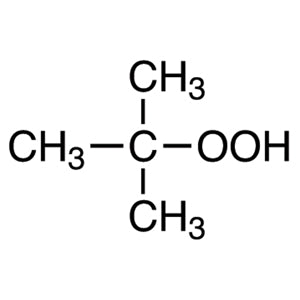
- TCI B3153 75-91-2 tert-Butyl Hydroperoxide (70% in Water)
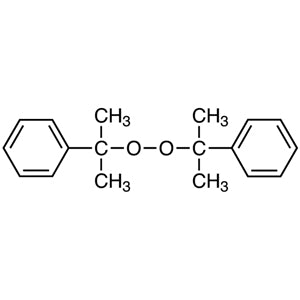
- TCI D4894 80-43-3 Dicumyl Peroxide (contains ca. 60% CaCO3)
- TCI A3012 27776-21-2 2,2'-Azobis[2-(2-imidazolin-2-yl)propane] Dihydrochloride
- TCI A2098 7727-54-0 Ammonium Peroxodisulfate [for Electrophoresis]
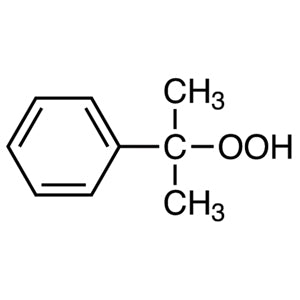
- TCI C2223 80-15-9 Cumene Hydroperoxide (contains ca. 20% Aromatic Hydrocarbon)
- TCI D0109 51-28-5 2,4-Dinitrophenol (wetted with ca. 20% Water) (unit weight on dry weight basis)
- Organic synthesis reactions benefit from BPO's ability to initiate radical processes, enabling efficient formation of complex molecules.
- Polymerization experiments rely on BPO to trigger chain reactions, facilitating the creation of polymers with desired properties.
- Radical scavenging studies use BPO to test the effectiveness of antioxidants and free radical inhibitors in various systems.
- Oxidation reactions in synthetic chemistry utilize BPO as a strong oxidizing agent to promote specific chemical transformations.
- Industrial chemical processes incorporate BPO to enhance reaction rates and improve product yields in large-scale synthesis.
From the TCI brochure
- Initiator for polymerization of B4881 (initiator: BPO or AIBN, 80 ºC)
| Brand | TCI |
|---|---|
| CAS number | 94-36-0 |
| Molecular formula | — |
| Purity | — |
| Category | Chemistry > Synthetic Reagents > Radical Chemistry |
| Pack sizes | — |
| Physical form | Solid (wetted with ca. 25% Water) |
| Storage | Should be stored in a closed container, protected from air, heat, and light. |
Benzoyl Peroxide should be stored in a closed container to prevent exposure to air, moisture, and light, which can degrade its effectiveness. It is sensitive to heat and should be kept in a cool, dry place away from direct sunlight. Appropriate storage conditions include maintaining a stable temperature and minimizing exposure to potential contaminants. Laboratory personnel should handle BPO with care, using appropriate personal protective equipment to ensure safety. Due to its reactive nature, BPO should be stored separately from incompatible substances to prevent unwanted chemical interactions. Proper storage and handling are essential to maintain its chemical stability and ensure safe usage in laboratory environments.
—
Product Categories
Produk Terkait
-
tert-ButylHydroperoxide(70%inWater) TCI B3153
Regular price Rp 1.220.100,00Regular priceRp 852.600,00Sale price Rp 1.220.100,00 -
DicumylPeroxide(containsca.60%CaCO3) TCI D4894
Regular price From Rp 903.000,00Regular priceRp 631.050,00Sale price From Rp 903.000,00 -
2,2'-Azobis[2-(2-imidazolin-2-yl)propane]Dihydrochloride TCI A3012
Regular price From Rp 1.087.800,00Regular priceRp 775.950,00Sale price From Rp 1.087.800,00 -
AmmoniumPeroxodisulfate[forElectrophoresis] TCI A2098
Regular price From Rp 505.050,00Regular priceRp 352.800,00Sale price From Rp 505.050,00 -
CumeneHydroperoxide(containsca.20%AromaticHydrocarbon) TCI C2223
Regular price Rp 903.000,00Regular priceRp 631.050,00Sale price Rp 903.000,00 -
2,4-Dinitrophenol(wettedwithca.20%Water)(unitweightondryweightbasis) TCI D0109
Regular price From Rp 743.400,00Regular priceRp 519.750,00Sale price From Rp 743.400,00 -
Ruthenium5%onCarbon,SDtype(wettedwithca55%Water) TCI R0322
Regular price From Rp 823.200,00Regular priceRp 575.400,00Sale price From Rp 823.200,00 -
Ruthenium5%onCarbon(wettedwithca50%Water) TCI R0076
Regular price From Rp 848.400,00Regular priceRp 593.250,00Sale price From Rp 848.400,00