Ammonium Peroxodisulfate (APDS), with the CAS number 7727-54-0, is a versatile chemical compound widely used in laboratory settings, particularly in electrophoresis applications. It serves as a strong oxidizing agent, facilitating a wide range of chemical reactions and processes. This compound is essential in synthetic chemistry, where it plays a critical role in radical reactions and the synthesis of organic compounds. Its ability to initiate and sustain chemical reactions under controlled conditions makes it a valuable tool for researchers.
APDS is favored for its high reactivity and stability under various experimental conditions. Its molecular structure allows it to act efficiently in both organic and inorganic reactions, making it a reliable reagent for diverse chemical processes. The compound’s consistent chemical and physical properties ensure reproducibility in laboratory experiments, which is crucial for scientific accuracy. Additionally, its availability in high-quality forms ensures that researchers can rely on its performance across different scales of experimentation.
In Indonesian laboratories, APDS is commonly used in chemical research and electrophoresis applications. It is a staple in academic and industrial research settings, supporting advancements in organic synthesis and analytical techniques. Its reliability and effectiveness make it a preferred choice for scientists working in various fields of chemistry, particularly in the context of electrophoresis and radical-based reactions.
TCI brochures (PDF)
- Wizard Monomer® for Supramolecular Polymer Gels 2025-03-03 · p. 2
- Electrophoresis Reagents 2026-09-15 · p. 9
- Polymerization Initiators 2025-09-17 · p. 2
- Protein and Biological Sample Preparation Reagents 2026-09-10 · p. 5
- Antibodies and Related Reagents 2026-07-29 · p. 27
- Cancer Research Reagents 2025-04-01 · p. 10
Related TCI products
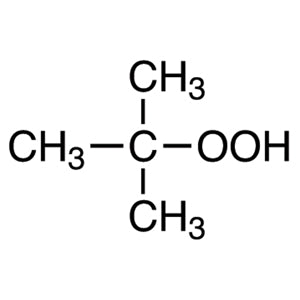
- TCI B3153 75-91-2 tert-Butyl Hydroperoxide (70% in Water)
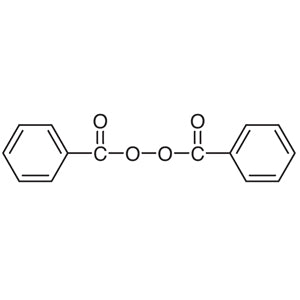
- TCI B3152 94-36-0 Benzoyl Peroxide (wetted with ca. 25% Water)
- TCI A3012 27776-21-2 2,2'-Azobis[2-(2-imidazolin-2-yl)propane] Dihydrochloride
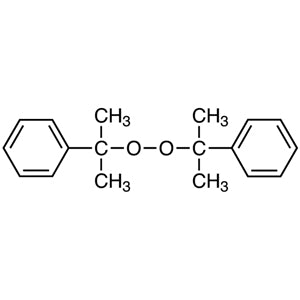
- TCI D4894 80-43-3 Dicumyl Peroxide (contains ca. 60% CaCO3)
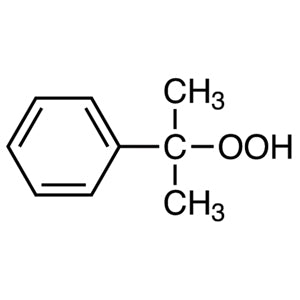
- TCI C2223 80-15-9 Cumene Hydroperoxide (contains ca. 20% Aromatic Hydrocarbon)
- TCI T2515 110-18-9 N,N,N',N'-Tetramethylethylenediamine [for Electrophoresis]
- Electrophoresis: APDS is used as an oxidizing agent to initiate polymerization reactions, aiding in the separation of charged molecules in gel matrices.
- Radical Chemistry: It serves as a radical initiator in synthetic reactions, enabling the formation of complex organic compounds through free radical mechanisms.
- Organic Synthesis: APDS facilitates oxidation processes, allowing for the selective modification of organic molecules in laboratory synthesis.
- Analytical Chemistry: It is employed in oxidation-based analytical techniques to detect and quantify specific compounds in samples.
- Polymer Science: APDS is utilized in the synthesis of polymers, where its oxidizing properties help control reaction kinetics and polymer structure.
| Brand | TCI |
|---|---|
| CAS number | 7727-54-0 |
| Molecular formula | — |
| Purity | — |
| Category | Chemistry > Synthetic Reagents > Radical Chemistry |
| Pack sizes | Available in various quantities as per standard laboratory reagent packaging |
| Physical form | Solid powder |
| Storage | Store in a cool, dry place away from moisture and incompatible substances |
Ammonium Peroxodisulfate should be stored in a cool, dry environment to maintain its stability and effectiveness. It is recommended to keep it in airtight containers to prevent exposure to moisture and air, which can lead to degradation. The compound is reactive and should be handled with care, avoiding contact with incompatible materials such as reducing agents or organic solvents. In laboratory settings, it is essential to use appropriate personal protective equipment, including gloves and safety goggles, to ensure safe handling. Proper labeling and storage conditions are crucial to prevent accidental exposure and ensure the compound remains suitable for its intended applications.
—
Product Categories
Produk Terkait
-
tert-ButylHydroperoxide(70%inWater) TCI B3153
Regular price Rp 1.220.100,00Regular priceRp 852.600,00Sale price Rp 1.220.100,00 -
BenzoylPeroxide(wettedwithca.25%Water) TCI B3152
Regular price Rp 582.750,00Regular priceRp 423.150,00Sale price Rp 582.750,00 -
2,2'-Azobis[2-(2-imidazolin-2-yl)propane]Dihydrochloride TCI A3012
Regular price From Rp 1.087.800,00Regular priceRp 775.950,00Sale price From Rp 1.087.800,00 -
DicumylPeroxide(containsca.60%CaCO3) TCI D4894
Regular price From Rp 903.000,00Regular priceRp 631.050,00Sale price From Rp 903.000,00 -
CumeneHydroperoxide(containsca.20%AromaticHydrocarbon) TCI C2223
Regular price Rp 903.000,00Regular priceRp 631.050,00Sale price Rp 903.000,00 -
N,N,N',N'-Tetramethylethylenediamine[forElectrophoresis] TCI T2515
Regular price From Rp 477.750,00Regular priceRp 333.900,00Sale price From Rp 477.750,00 -
BromophenolBlueSodiumSalt[forElectrophoresis] TCI B3195
Regular price Rp 689.850,00Regular priceRp 497.700,00Sale price Rp 689.850,00 -
Glycerol[forElectrophoresis] TCI G0316
Regular price Rp 584.850,00Regular priceRp 408.450,00Sale price Rp 584.850,00