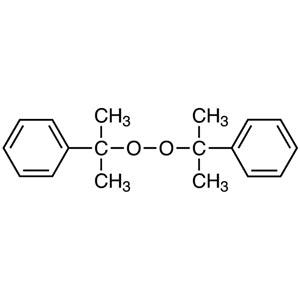
Dicumyl Peroxide (TCI D4894), with CAS number 80-43-3, is a synthetic reagent widely used in chemical laboratories for oxidation reactions. It is a powerful oxidizing agent that plays a crucial role in the synthesis of various organic compounds, including polymers, resins, and industrial chemicals. Its reactivity makes it an essential component in many synthetic processes, particularly those requiring strong oxidation conditions. This reagent is commonly employed in the development of new materials and in the modification of existing chemical structures.
The chemical properties of Dicumyl Peroxide make it a preferred choice for laboratory applications. It is highly reactive due to its peroxide structure, which allows it to participate in a wide range of oxidation reactions. The presence of approximately 60% calcium carbonate (CaCO3) in the formulation helps control reactivity and enhances safety during handling and storage. This additive also contributes to the stability of the compound under certain conditions, making it suitable for use in controlled laboratory environments. Its high melting point ensures thermal stability, which is important in many synthetic processes.
In Indonesian laboratories, Dicumyl Peroxide is extensively used in chemical research, especially in organic synthesis and the development of industrial chemicals. It is a key reagent in the production of polymers and resins, as well as in the synthesis of aromatic and heterocyclic compounds. Its versatility and effectiveness make it a valuable tool for chemists working in both academic and industrial settings.
TCI brochures (PDF)
- Oxidizing Agents 2025-06-11 · p. 6
- Polymerization Initiators 2025-09-17 · p. 2
- Biomaterials Research Reagents 2025-02-19 · p. 24
Related TCI products
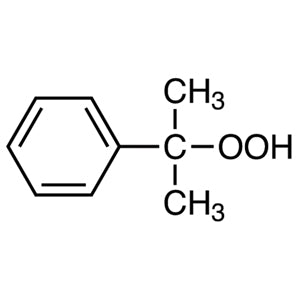
- TCI C2223 80-15-9 Cumene Hydroperoxide (contains ca. 20% Aromatic Hydrocarbon)
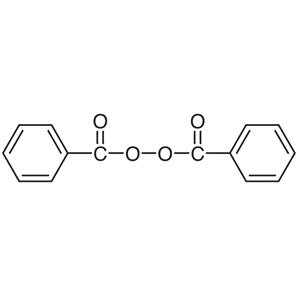
- TCI B3152 94-36-0 Benzoyl Peroxide (wetted with ca. 25% Water)
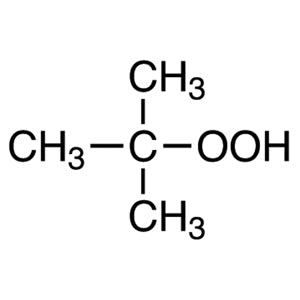
- TCI B3153 75-91-2 tert-Butyl Hydroperoxide (70% in Water)
- TCI A3012 27776-21-2 2,2'-Azobis[2-(2-imidazolin-2-yl)propane] Dihydrochloride
- TCI A2098 7727-54-0 Ammonium Peroxodisulfate [for Electrophoresis]
- TCI H1222 7722-84-1 Hydrogen Peroxide (35% in Water)
- Organic synthesis reactions where strong oxidation is required, as it provides efficient and reliable oxidation conditions.
- Polymer and resin production, due to its ability to initiate and promote polymerization processes under controlled conditions.
- Industrial chemical development, where oxidation is a critical step in the synthesis of various organic compounds.
- Aromatic and heterocyclic compound synthesis, as it facilitates the oxidation of complex molecular structures.
- Thermal stability testing in laboratory settings, thanks to its high melting point and controlled reactivity.
| Brand | TCI |
|---|---|
| CAS number | 80-43-3 |
| Molecular formula | — |
| Purity | — |
| Category | Chemistry > Synthetic Reagents > Oxidation [Synthetic Reagents] |
| Pack sizes | — |
| Physical form | — |
| Storage | Store in a cool, dark place away from heat and direct sunlight |
Dicumyl Peroxide should be stored in a cool, dry, and well-ventilated area, away from heat sources and direct sunlight. It is advisable to use sealed containers made of inert materials such as glass or stainless steel to prevent contamination and maintain stability. Due to its reactivity, it should be kept away from reducing agents and incompatible substances. Proper labeling and storage in designated chemical cabinets are essential to ensure safety. Regular monitoring of storage conditions is recommended to maintain the integrity of the material. Always follow standard laboratory safety protocols when handling this reagent.
—
Product Categories
Produk Terkait
-
CumeneHydroperoxide(containsca.20%AromaticHydrocarbon) TCI C2223
Regular price Rp 903.000,00Regular priceRp 631.050,00Sale price Rp 903.000,00 -
BenzoylPeroxide(wettedwithca.25%Water) TCI B3152
Regular price Rp 582.750,00Regular priceRp 423.150,00Sale price Rp 582.750,00 -
tert-ButylHydroperoxide(70%inWater) TCI B3153
Regular price Rp 1.220.100,00Regular priceRp 852.600,00Sale price Rp 1.220.100,00 -
2,2'-Azobis[2-(2-imidazolin-2-yl)propane]Dihydrochloride TCI A3012
Regular price From Rp 1.087.800,00Regular priceRp 775.950,00Sale price From Rp 1.087.800,00 -
AmmoniumPeroxodisulfate[forElectrophoresis] TCI A2098
Regular price From Rp 505.050,00Regular priceRp 352.800,00Sale price From Rp 505.050,00 -
HydrogenPeroxide(35%inWater) TCI H1222
Regular price Rp 477.750,00Regular priceRp 333.900,00Sale price Rp 477.750,00 -
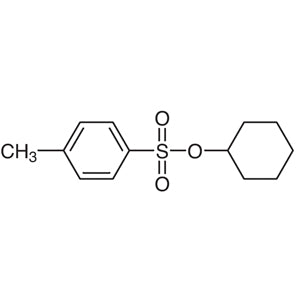
Cyclohexylp-Toluenesulfonate TCI C2363
Regular price From Rp 2.013.900,00Regular priceRp 1.423.800,00Sale price From Rp 2.013.900,00 -
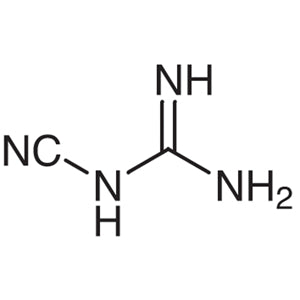
Dicyandiamide TCI C0454
Regular price From Rp 505.050,00Regular priceRp 352.800,00Sale price From Rp 505.050,00



![TCI A3012 27776-21-2 2,2'-Azobis[2-(2-imidazolin-2-yl)propane] Dihydrochloride](http://amiscientific.com/cdn/shop/files/TCI2510A3012_6a87c48a-8423-475e-997c-a98a13677306.jpg?v=1792657983&width=533)
![27776-21-2 2,2'-Azobis[2-(2-imidazolin-2-yl)propane] Dihydrochloride - AMI Scientific](http://amiscientific.com/cdn/shop/files/TCI2510A3012.jpg?v=1767083705&width=533)
![TCI A2098 7727-54-0 Ammonium Peroxodisulfate [for Electrophoresis]](http://amiscientific.com/cdn/shop/files/TCI2510A2098_1f53801a-0904-4a83-9f30-afeac9c34273.jpg?v=1792657316&width=533)
![7727-54-0 Ammonium Peroxodisulfate [for Electrophoresis] - AMI Scientific](http://amiscientific.com/cdn/shop/files/TCI2510A2098.jpg?v=1767082325&width=533)