Tert-Butyl Hydroperoxide (70% in Water), with the CAS number 75-91-2, is a versatile chemical compound widely used in synthetic chemistry, particularly in oxidation reactions. It serves as a mild to moderate oxidizing agent, making it a valuable reagent for the synthesis of complex organic compounds. This compound is commonly found in chemical laboratories where oxidation processes are essential for the preparation of various functional groups and intermediates. Its ability to selectively oxidize specific functional groups without causing unwanted side reactions makes it a preferred choice for many synthetic pathways.
The compound exhibits strong oxidative properties, which are crucial in reactions requiring controlled oxidation. Its stability under certain conditions allows for reliable use in laboratory settings, although it remains sensitive to heat and light. The 70% aqueous solution provides a safer handling option compared to the pure form, reducing the risk of accidental exposure. Despite its relative safety in solution, it still requires careful handling due to its reactive nature and potential for interaction with reducing agents.
In Indonesian laboratories, Tert-Butyl Hydroperoxide is frequently used in chemical research, industrial chemical production, and the development of new compounds. Its availability through AMI Scientific ensures that researchers have access to high-quality reagents that meet the demands of modern synthetic chemistry. This product plays a vital role in advancing scientific innovation and maintaining the efficiency of laboratory operations.
Advantages (TCI brochure)
- Oxidant used in Sharpless-Katsuki asymmetric epoxidation
TCI brochures (PDF)
- Oxidizing Agents 2025-06-11 · p. 4
- Polymerization Initiators 2025-09-17 · p. 2
- C-H Bond Activation Reaction 2025-06-20 · p. 10
- Biomaterials Research Reagents 2025-02-19 · p. 23
Related TCI products
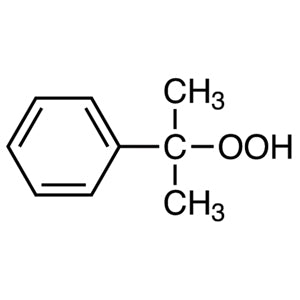
- TCI C2223 80-15-9 Cumene Hydroperoxide (contains ca. 20% Aromatic Hydrocarbon)
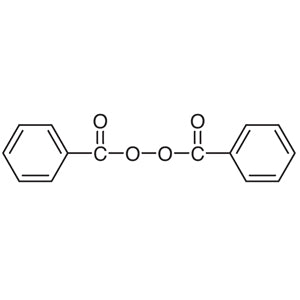
- TCI B3152 94-36-0 Benzoyl Peroxide (wetted with ca. 25% Water)
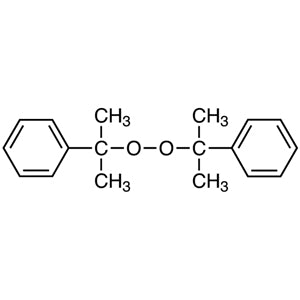
- TCI D4894 80-43-3 Dicumyl Peroxide (contains ca. 60% CaCO3)
- TCI A3012 27776-21-2 2,2'-Azobis[2-(2-imidazolin-2-yl)propane] Dihydrochloride
- TCI A2098 7727-54-0 Ammonium Peroxodisulfate [for Electrophoresis]
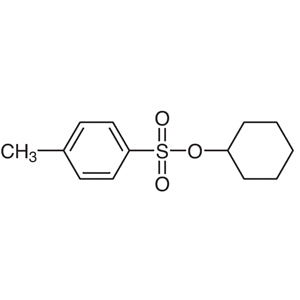
- TCI C2363 953-91-3 Cyclohexyl p-Toluenesulfonate
- Oxidation Reactions: Tert-Butyl Hydroperoxide is ideal for oxidation processes due to its controlled oxidizing properties, allowing for selective oxidation of functional groups without over-oxidation.
- Organic Synthesis: It is widely used in the synthesis of complex organic molecules, particularly in the formation of ketones and alcohols through oxidation pathways.
- Industrial Chemical Production: Its stability and reactivity make it suitable for large-scale chemical manufacturing where controlled oxidation is required.
- Research and Development: Scientists use this reagent to develop new compounds and test chemical reactions in both academic and industrial research settings.
- Analytical Chemistry: It serves as a reagent in analytical procedures where oxidation is necessary for the detection and quantification of specific compounds.
From the TCI brochure
- Sharpless-Katsuki asymmetric epoxidation of allyl alcohols
| Brand | TCI |
|---|---|
| CAS number | 75-91-2 |
| Molecular formula | — |
| Purity | — |
| Category | Chemistry > Synthetic Reagents > Oxidation [Synthetic Reagents] |
| Pack sizes | Available in various sizes as per supplier specifications |
| Physical form | Aqueous solution (70% in water) |
| Storage | Store in a cool, dark place away from heat and direct sunlight |
Tert-Butyl Hydroperoxide should be stored in a cool, dark location to prevent degradation and maintain its chemical stability. It is recommended to use opaque containers to protect the solution from exposure to light, which can accelerate decomposition. Due to its reactive nature, it should be handled in a well-ventilated area, and appropriate personal protective equipment, such as gloves and goggles, should be worn. Avoid contact with reducing agents and ensure that storage areas are free from incompatible materials. Regular monitoring of storage conditions is essential to ensure the reagent remains effective and safe for use in laboratory settings.
—
Product Categories
Produk Terkait
-
CumeneHydroperoxide(containsca.20%AromaticHydrocarbon) TCI C2223
Regular price Rp 903.000,00Regular priceRp 631.050,00Sale price Rp 903.000,00 -
BenzoylPeroxide(wettedwithca.25%Water) TCI B3152
Regular price Rp 582.750,00Regular priceRp 423.150,00Sale price Rp 582.750,00 -
DicumylPeroxide(containsca.60%CaCO3) TCI D4894
Regular price From Rp 903.000,00Regular priceRp 631.050,00Sale price From Rp 903.000,00 -
2,2'-Azobis[2-(2-imidazolin-2-yl)propane]Dihydrochloride TCI A3012
Regular price From Rp 1.087.800,00Regular priceRp 775.950,00Sale price From Rp 1.087.800,00 -
AmmoniumPeroxodisulfate[forElectrophoresis] TCI A2098
Regular price From Rp 505.050,00Regular priceRp 352.800,00Sale price From Rp 505.050,00 -
Cyclohexylp-Toluenesulfonate TCI C2363
Regular price From Rp 2.013.900,00Regular priceRp 1.423.800,00Sale price From Rp 2.013.900,00 -
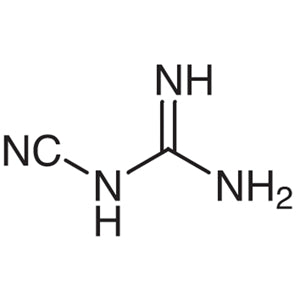
Dicyandiamide TCI C0454
Regular price From Rp 505.050,00Regular priceRp 352.800,00Sale price From Rp 505.050,00 -
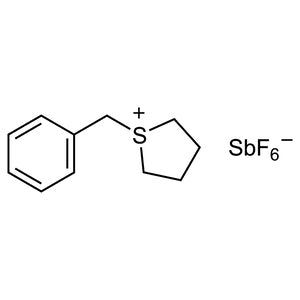
BenzyltetrahydrothiopheniumHexafluoroantimonate TCI B6753
Regular price From Rp 2.147.250,00Regular priceRp 1.517.250,00Sale price From Rp 2.147.250,00