2-(1-Naphthyl)ethanesulfonyl Chloride is a chemical compound widely used in organic synthesis reactions within laboratory settings. It serves as a versatile building block for the creation of complex molecules, particularly in substitution and coupling reactions. This compound plays a crucial role in the development of pharmaceuticals, polymers, and industrial chemicals due to its reactivity and functional group versatility. Its ability to participate in various chemical transformations makes it an essential tool for chemists working on synthetic pathways.
The compound's reactivity is primarily attributed to its sulfonate chloride group, which is highly active and capable of forming bonds with diverse substrates under suitable conditions. Its molecular structure is stable yet reactive, allowing it to be a key component in high-activity synthesis reactions. This reactivity, combined with its availability in various packaging options, makes it a preferred choice for both small-scale and large-scale laboratory applications.
In Indonesian laboratories, 2-(1-Naphthyl)ethanesulfonyl Chloride is extensively used in both fundamental and applied chemical research. It is commonly found in academic institutions and research centers where organic synthesis is a core activity. Its utility spans across multiple disciplines, including pharmaceutical development and materials science, making it an indispensable reagent in the chemical research landscape of Indonesia.
- Organic synthesis reactions benefit from this compound's sulfonate chloride group, enabling efficient coupling and substitution processes.
- Pharmaceutical research utilizes it to develop new drugs by creating complex molecular structures essential for drug efficacy.
- Polymer chemistry applications rely on its reactivity to form cross-linked structures in synthetic polymer networks.
- Industrial chemical production uses it as a building block for the synthesis of specialty chemicals and intermediates.
- Analytical chemistry employs it as a reagent in derivatization steps to enhance detection and identification of compounds.
| Brand | TCI |
|---|---|
| CAS number | 104296-63-1 |
| Molecular formula | — |
| Purity | — |
| Category | Chemistry > Building Blocks > Non-Heterocyclic Building Blocks |
| Pack sizes | Available in various sizes to suit different laboratory needs |
| Physical form | Solid (exact form may vary depending on supplier) |
| Storage | Store in a cool, dry place away from moisture and direct sunlight |
This compound should be stored in a cool, dry environment to maintain its stability and reactivity. It is recommended to use airtight containers to prevent exposure to moisture and air, which can affect its chemical integrity. Due to its reactivity, it should be handled in a well-ventilated area, and appropriate personal protective equipment should be worn when working with it. Avoid contact with incompatible materials, and ensure proper disposal procedures are followed to comply with laboratory safety standards. Regular monitoring of storage conditions is advised to ensure the compound remains suitable for use in chemical reactions.
—
Produk Terkait
-
6-Bromo-2-naphthylTrifluoromethanesulfonate TCI T1894
Regular price From Rp 3.605.700,00Regular price -
2-Naphthylp-Toluenesulfonate TCI N0870
Regular price Rp 3.232.950,00Regular price -
EthanesulfonylChloride TCI E0035
Regular price From Rp 903.000,00Regular price -
4-IsopropoxybenzenesulfonylChloride TCI I0802
Regular price From Rp 2.597.700,00Regular price -
2-IodobenzenesulfonylChloride TCI I0811
Regular price From Rp 4.506.600,00Regular price -
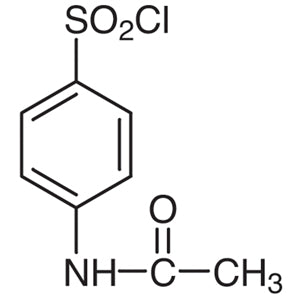
4-AcetamidobenzenesulfonylChloride TCI A0074
Regular price Rp 2.227.050,00Regular price -
2,4,6-TrichlorobenzenesulfonylChloride TCI T2035
Regular price From Rp 2.016.000,00Regular price -
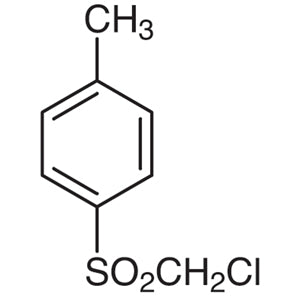
p-ToluenesulfonylmethylChloride TCI T1505
Regular price Rp 2.411.850,00Regular price