Ethanesulfonyl Chloride (TCI E0035), with CAS number 594-44-5, is a synthetic reagent widely used in organic chemistry for its reactivity and versatility. It plays a crucial role in laboratory settings by enabling substitution reactions and the formation of new compounds through electrophilic mechanisms. This compound is particularly valued for its ability to participate in sulfonamide bond formation, making it an essential tool in chemical synthesis. Its reactivity is especially effective against electron-deficient compounds, allowing for precise and controlled chemical modifications.
The chemical properties of Ethanesulfonyl Chloride make it a preferred choice for organic synthesis applications. Its high reactivity and ability to form stable sulfonamide derivatives contribute to its effectiveness in various synthetic pathways. The compound is typically used under anhydrous conditions and in controlled reactive environments to ensure optimal results. Its chemical behavior is well-suited for applications requiring high reactivity and specificity, making it a reliable reagent for advanced chemical processes.
In Indonesian laboratories, Ethanesulfonyl Chloride is commonly used in organic chemistry research, particularly in the synthesis of pharmacological compounds and industrial chemicals. It is also employed in studies involving the modification of organic molecules to enhance their stability or activity. Its role in both academic and industrial research underscores its importance in the chemical sciences within the region.
TCI brochures (PDF)
- Protecting Agents 2025-03-25 · p. 11
Related TCI products
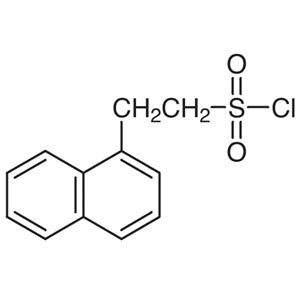
- TCI N0576 104296-63-1 2-(1-Naphthyl)ethanesulfonyl Chloride
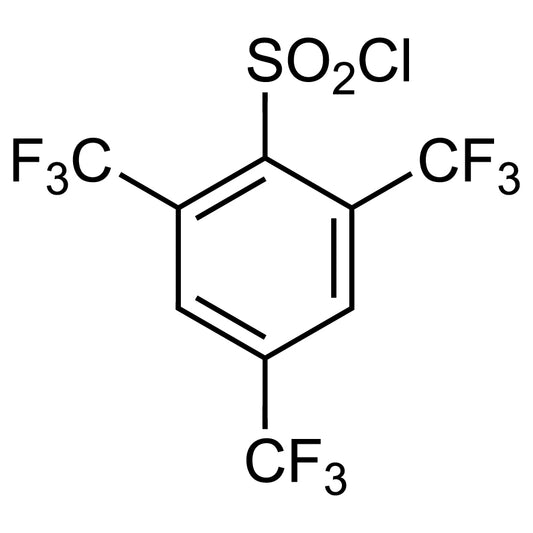
- TCI T4302 944453-80-9 2,4,6-Tris(trifluoromethyl)benzenesulfonyl Chloride
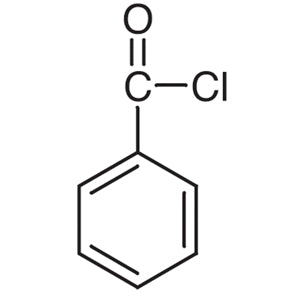
- TCI B0105 98-88-4 Benzoyl Chloride
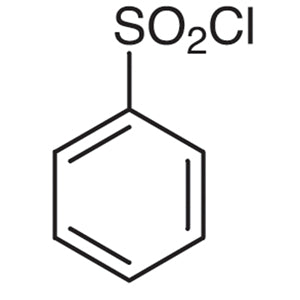
- TCI B0036 98-09-9 Benzenesulfonyl Chloride
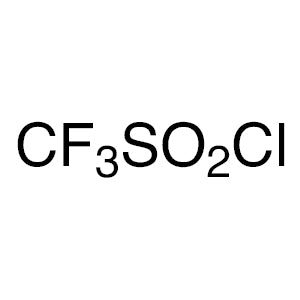
- TCI T1027 421-83-0 Trifluoromethanesulfonyl Chloride
- TCI T0459 6553-96-4 2,4,6-Triisopropylbenzenesulfonyl Chloride
- Organic synthesis for the creation of sulfonamide derivatives due to its reactivity and ability to form stable bonds.
- Modification of organic compounds to enhance stability or functional group reactivity in pharmaceutical research.
- Development of industrial chemicals through controlled electrophilic substitution reactions in synthetic pathways.
- Research in pharmacological compound synthesis where precise chemical modifications are required.
- Applications in chemical derivatization processes to improve the detectability or reactivity of target molecules.
| Brand | TCI |
|---|---|
| CAS number | 594-44-5 |
| Molecular formula | — |
| Purity | — |
| Category | Chemistry > Synthetic Reagents > Protection, Deprotection, Derivatization |
| Pack sizes | — |
| Physical form | Liquid |
| Storage | Store in a cool, dry place away from moisture and light. |
Ethanesulfonyl Chloride should be stored in a cool, dry place, away from moisture and direct light to maintain its chemical integrity. It is recommended to use airtight containers made of materials compatible with reactive chemicals to prevent contamination and degradation. Due to its high reactivity, it should be handled in a well-ventilated area, preferably under a fume hood, to minimize exposure. Laboratory personnel should wear appropriate personal protective equipment, including gloves and safety goggles, when handling this compound. Proper disposal procedures must be followed to ensure compliance with safety and environmental regulations.
—
Produk Terkait
-
2-(1-Naphthyl)ethanesulfonylChloride TCI N0576
Regular price From Rp 3.207.750,00Regular priceRp 2.242.800,00Sale price From Rp 3.207.750,00 -
2,4,6-Tris(trifluoromethyl)benzenesulfonylChloride TCI T4302
Regular price From Rp 3.949.050,00Regular priceRp 2.761.500,00Sale price From Rp 3.949.050,00 -
BenzoylChloride TCI B0105
Regular price Rp 557.550,00Regular priceRp 405.300,00Sale price Rp 557.550,00 -
BenzenesulfonylChloride TCI B0036
Regular price From Rp 452.550,00Regular priceRp 316.050,00Sale price From Rp 452.550,00 -
TrifluoromethanesulfonylChloride TCI T1027
Regular price From Rp 2.174.550,00Regular priceRp 1.520.400,00Sale price From Rp 2.174.550,00 -
2,4,6-TriisopropylbenzenesulfonylChloride TCI T0459
Regular price From Rp 2.227.050,00Regular priceRp 1.557.150,00Sale price From Rp 2.227.050,00 -
p-ToluenesulfonylChloride TCI T0272
Regular price From Rp 610.050,00Regular priceRp 426.300,00Sale price From Rp 610.050,00