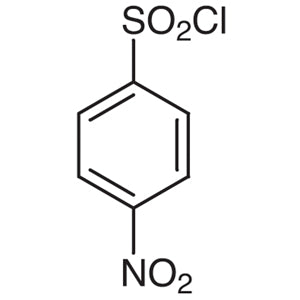
2,4,6-Triisopropylbenzenesulfonyl Chloride is a chemical compound widely used as a building block in the synthesis of complex organic compounds. This reagent plays a crucial role in laboratory settings, particularly in reactions that require the introduction of a sulfonyl chloride group. Its versatility makes it an essential component for chemists engaged in both academic and industrial research. The compound is commonly employed in the development of heterocyclic and aromatic structures, contributing to the creation of new chemical entities with specific functional properties.
The compound is known for its chemical stability under controlled conditions, which enhances its usability in various synthetic processes. Its reactivity towards nucleophilic and substitution reactions makes it a preferred choice for applications requiring high reactivity and structural stability. The solid form of this compound facilitates easy handling and storage, making it a practical option for laboratories that require reliable and consistent chemical reagents. These properties ensure that it remains a valuable tool in the synthesis of complex organic molecules.
In Indonesian laboratories, 2,4,6-Triisopropylbenzenesulfonyl Chloride is frequently utilized in chemical research, especially in the fields of organic synthesis and the development of new compounds. Its availability and chemical properties make it a key reagent in studies related to pharmacology, chemical materials, and other advanced chemical applications. Its role in supporting scientific innovation is significant, particularly in academic and research institutions across Indonesia.
TCI brochures (PDF)
- Sulfonylation Reagents 2023-01-20 · p. 4
- Condensing Agents 2025-11-18 · p. 5
- Protecting Agents 2025-03-25 · p. 11
- Nucleosides, Nucleotides, Nucleic Acids and Related Reagents 2026-03-23 · p. 13
Related TCI products
- Organic synthesis is a primary application where this compound is used to introduce sulfonyl chloride groups into complex molecular structures, enabling the creation of new chemical entities with desired properties.
- Heterocyclic compound development benefits from this reagent’s ability to participate in nucleophilic and substitution reactions, facilitating the formation of ring structures essential in pharmaceutical and material science research.
- Aromatic compound synthesis relies on its reactivity and stability, allowing chemists to modify aromatic rings through various synthetic pathways.
- Pharmaceutical research utilizes this compound as a building block in the synthesis of drug molecules, contributing to the development of new therapeutic agents.
- Material science applications take advantage of its chemical versatility in creating functional materials with specific chemical and physical properties.
| Brand | TCI |
|---|---|
| CAS number | 6553-96-4 |
| Molecular formula | — |
| Purity | — |
| Category | Chemistry > Building Blocks > Non-Heterocyclic Building Blocks |
| Pack sizes | Available in standard laboratory quantities |
| Physical form | Solid |
| Storage | Store in a cool, dry place away from moisture and direct sunlight |
This compound should be stored in a cool, dry environment to maintain its chemical stability and prevent degradation. It is recommended to use airtight containers to protect it from moisture and contaminants. Due to its reactivity, it should be handled with appropriate personal protective equipment, including gloves and safety goggles. Avoid exposure to heat and direct sunlight to ensure long-term stability. In laboratory settings, it should be stored separately from incompatible substances to prevent unintended reactions. Proper labeling and storage practices are essential to ensure safe handling and usage in research environments.
—
Product Categories
- Building BlocksNon-Heterocyclic Building BlocksSulfur Compounds [Non-Heterocyclic Building Blocks]
- Chemical BiologyNucleic Acid ChemistryProtecting Agents for Hydroxy and Amino Groups [Nucleic Acid Synthesis]
- Chemical BiologyNucleic Acid ChemistryCoupling Activators and Condensing Agents [Nucleic Acid Synthesis]
- Synthetic ReagentsCoupling [Synthetic Reagents]Active Esters, Additives [Coupling Reagents]
- Synthetic ReagentsProtection, Deprotection, DerivatizationProtecting and Derivatizing Reagents [Synthetic Reagents]
- Pharmaceutical Development and Drug Discovery Research ReagentsNucleic Acid ChemistryProtecting Agents for Hydroxy and Amino Groups [Nucleic Acid Synthesis]
- Pharmaceutical Development and Drug Discovery Research ReagentsNucleic Acid ChemistryCoupling Activators and Condensing Agents [Nucleic Acid Synthesis]
Produk Terkait
-
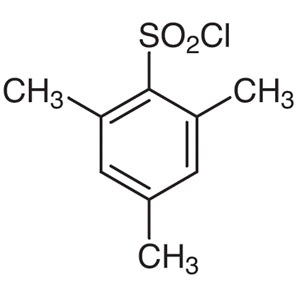
2-MesitylenesulfonylChloride TCI M0071
Regular price From Rp 1.510.950,00Regular priceRp 1.056.300,00Sale price From Rp 1.510.950,00 -
1-(2,4,6-Triisopropylbenzenesulfonyl)imidazole TCI T1410
Regular price From Rp 2.013.900,00Regular priceRp 1.423.800,00Sale price From Rp 2.013.900,00 -
1-(p-Toluenesulfonyl)imidazole TCI T1985
Regular price From Rp 1.140.300,00Regular priceRp 812.700,00Sale price From Rp 1.140.300,00 -
2,4-MesitylenedisulfonylDichloride TCI M1186
Regular price From Rp 3.312.750,00Regular priceRp 2.316.300,00Sale price From Rp 3.312.750,00 -
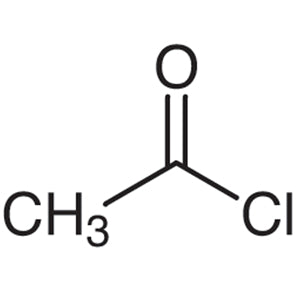
AcetylChloride TCI A0082
Regular price From Rp 848.400,00Regular priceRp 609.000,00Sale price From Rp 848.400,00 -
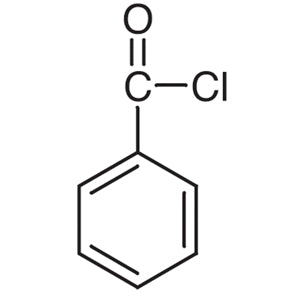
BenzoylChloride TCI B0105
Regular price Rp 557.550,00Regular priceRp 405.300,00Sale price Rp 557.550,00 -
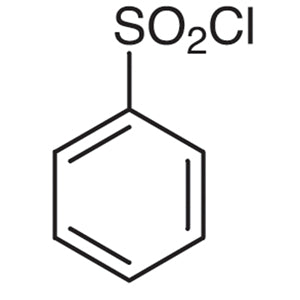
BenzenesulfonylChloride TCI B0036
Regular price From Rp 452.550,00Regular priceRp 316.050,00Sale price From Rp 452.550,00 -
4-NitrobenzenesulfonylChloride TCI N0144
Regular price From Rp 557.550,00Regular priceRp 389.550,00Sale price From Rp 557.550,00