4-Nitrobenzenesulfonyl Chloride (4-NBS Cl) is a chemical compound widely used in organic synthesis as a reagent or reactive intermediate in various chemical reactions. It is a key building block in the field of chemistry, particularly in the development of new compounds with applications in pharmaceuticals, materials science, and organic chemistry. This compound is commonly found in laboratory settings where researchers are engaged in the synthesis of complex molecules, especially those with biological activity. Its versatility and reactivity make it an essential tool for chemists working on a wide range of synthetic pathways.
The unique structure of 4-NBS Cl, which includes a nitro group and a sulfonyl chloride group, contributes to its high reactivity. These functional groups enable it to participate in a variety of reactions, such as sulfonation, nucleophilic substitution, and ester formation. Its stability under controlled conditions allows for consistent performance in both small-scale and large-scale laboratory experiments. Additionally, its availability in multiple packaging options ensures that it can be easily adapted to different experimental needs, making it a preferred choice for both academic and industrial research.
In Indonesian laboratories, 4-NBS Cl is extensively used in organic chemistry research, particularly in projects focused on the synthesis of bioactive compounds. It is also commonly employed in educational settings to train students in chemical reaction techniques and material handling. Its role in both research and teaching underscores its importance in the chemical sciences within the region.
TCI brochures (PDF)
- Sulfonylation Reagents 2023-01-20 · p. 1
- Protecting Agents 2025-03-25 · p. 11
Related TCI products
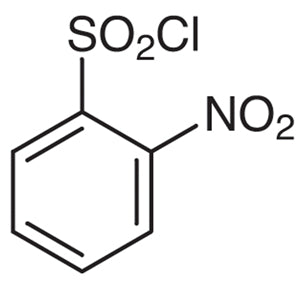
- TCI N0142 1694-92-4 2-Nitrobenzenesulfonyl Chloride
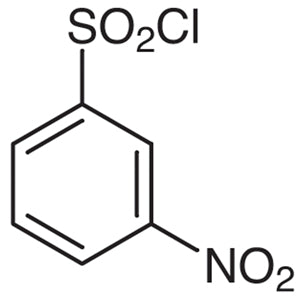
- TCI N0143 121-51-7 3-Nitrobenzenesulfonyl Chloride
- TCI M2403 21320-91-2 2-Methoxy-4-nitrobenzenesulfonyl Chloride
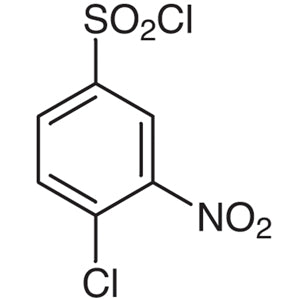
- TCI C1887 97-08-5 4-Chloro-3-nitrobenzenesulfonyl Chloride
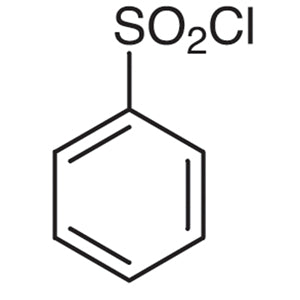
- TCI B0036 98-09-9 Benzenesulfonyl Chloride
- TCI T0459 6553-96-4 2,4,6-Triisopropylbenzenesulfonyl Chloride
- Organic synthesis is a primary application where 4-NBS Cl is used to introduce sulfonyl groups into organic molecules, enabling the creation of complex structures with pharmaceutical relevance.
- Pharmaceutical research benefits from the reactivity of 4-NBS Cl, which allows for the synthesis of compounds with potential therapeutic applications in drug development.
- Materials science applications leverage the compound's ability to participate in reactions that modify polymer structures, enhancing material properties for industrial use.
- Educational laboratories use 4-NBS Cl to teach students about functional group reactivity and the principles of organic synthesis through hands-on experimentation.
- Analytical chemistry laboratories may use 4-NBS Cl as a reagent in derivatization processes to enhance the detectability of certain compounds in analytical techniques.
| Brand | TCI |
|---|---|
| CAS number | 98-74-8 |
| Molecular formula | — |
| Purity | — |
| Category | Chemistry > Building Blocks > Non-Heterocyclic Building Blocks |
| Pack sizes | Available in various sizes to meet different experimental needs |
| Physical form | Solid |
| Storage | Store in a cool, dry place away from moisture and direct sunlight |
4-Nitrobenzenesulfonyl Chloride should be stored in a cool, dry place, away from moisture and direct sunlight to maintain its stability and reactivity. It is recommended to use airtight containers made of glass or high-density polyethylene to prevent exposure to air and moisture. Due to its chemical reactivity, it should be handled in a well-ventilated area, and appropriate personal protective equipment such as gloves and safety goggles should be worn. Avoid contact with incompatible materials, such as strong bases or reducing agents, to prevent unwanted reactions. Regular monitoring of storage conditions is advised to ensure the compound remains in optimal condition for use in laboratory applications.
—
Produk Terkait
-
2-NitrobenzenesulfonylChloride TCI N0142
Regular price From Rp 1.273.650,00Regular priceRp 890.400,00Sale price From Rp 1.273.650,00 -
3-NitrobenzenesulfonylChloride TCI N0143
Regular price From Rp 2.227.050,00Regular priceRp 1.557.150,00Sale price From Rp 2.227.050,00 -
2-Methoxy-4-nitrobenzenesulfonylChloride TCI M2403
Regular price From Rp 1.008.000,00Regular priceRp 704.550,00Sale price From Rp 1.008.000,00 -
4-Chloro-3-nitrobenzenesulfonylChloride TCI C1887
Regular price From Rp 717.150,00Regular priceRp 500.850,00Sale price From Rp 717.150,00 -
BenzenesulfonylChloride TCI B0036
Regular price From Rp 452.550,00Regular priceRp 316.050,00Sale price From Rp 452.550,00 -
2,4,6-TriisopropylbenzenesulfonylChloride TCI T0459
Regular price From Rp 2.227.050,00Regular priceRp 1.557.150,00Sale price From Rp 2.227.050,00 -
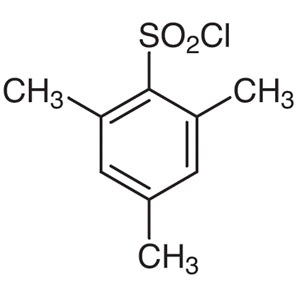
2-MesitylenesulfonylChloride TCI M0071
Regular price From Rp 1.510.950,00Regular priceRp 1.056.300,00Sale price From Rp 1.510.950,00 -
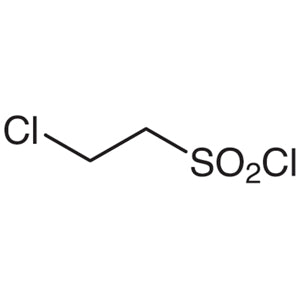
2-ChloroethanesulfonylChloride TCI C1142
Regular price From Rp 1.193.850,00Regular priceRp 834.750,00Sale price From Rp 1.193.850,00