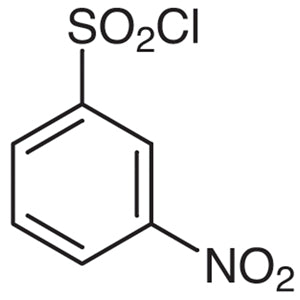
3-Nitrobenzenesulfonyl Chloride (TCI N0143) is a versatile chemical compound widely used in organic synthesis as a key building block. It serves as a crucial reagent in laboratory settings, particularly in the development of complex organic molecules and heterocyclic structures. This compound is highly valued for its ability to participate in various chemical reactions, including substitution and activation processes, making it essential for synthetic chemists. Its role extends to the creation of pharmaceutical compounds and advanced materials, supporting research in both academic and industrial environments.
The compound's reactivity and stability make it a preferred choice for chemists working on intricate molecular designs. Its molecular structure allows it to interact effectively with a range of functional groups, facilitating the formation of diverse chemical structures. This reactivity, combined with its predictable behavior in controlled environments, ensures reliable results in laboratory experiments. Additionally, its compatibility with various reaction conditions enhances its utility across different synthetic pathways.
In Indonesian laboratories, 3-Nitrobenzenesulfonyl Chloride is extensively used in organic chemistry research, especially in pharmaceutical and material science fields. Researchers in Indonesia rely on this compound to develop new compounds with potential medical or industrial applications. Its availability and effectiveness make it a staple in many research labs across the country, supporting ongoing scientific innovation.
Related TCI products
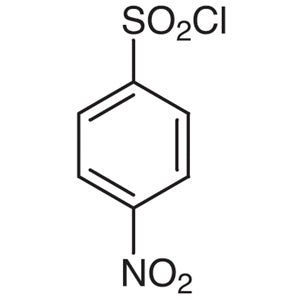
- TCI N0144 98-74-8 4-Nitrobenzenesulfonyl Chloride
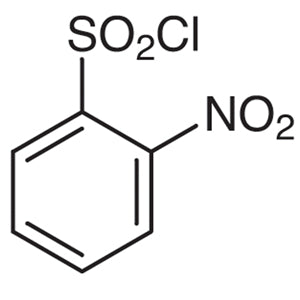
- TCI N0142 1694-92-4 2-Nitrobenzenesulfonyl Chloride
- TCI M2403 21320-91-2 2-Methoxy-4-nitrobenzenesulfonyl Chloride
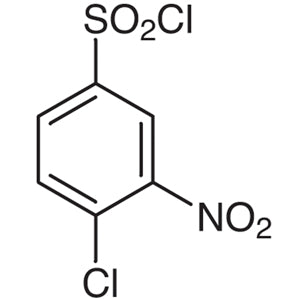
- TCI C1887 97-08-5 4-Chloro-3-nitrobenzenesulfonyl Chloride
- TCI M1006 18092-54-1 4-Methoxy-2-nitrobenzenesulfonyl Chloride
- TCI I0802 98995-40-5 4-Isopropoxybenzenesulfonyl Chloride
- Organic synthesis for the creation of complex heterocyclic compounds due to its reactivity and structural versatility.
- Activation of aromatic rings in substitution reactions, providing a reliable and efficient synthetic pathway.
- Development of pharmaceutical intermediates in drug discovery processes, supporting the synthesis of bioactive molecules.
- Preparation of functionalized aromatic compounds for use in material science applications, such as polymer synthesis.
- Research in catalytic processes where precise chemical reactivity is essential for achieving desired molecular transformations.
| Brand | TCI |
|---|---|
| CAS number | 121-51-7 |
| Molecular formula | — |
| Purity | — |
| Category | Chemistry > Building Blocks > Non-Heterocyclic Building Blocks |
| Pack sizes | Available in various quantities as per standard laboratory supply requirements |
| Physical form | Solid, crystalline appearance |
| Storage | Store in a cool, dry place away from moisture and direct sunlight |
This compound should be stored in a cool, dry environment, away from moisture and direct sunlight to maintain its chemical integrity. It is recommended to use airtight containers made of glass or polyethylene to prevent contamination and degradation. Due to its reactivity, it should be handled with appropriate personal protective equipment, such as gloves and safety goggles, to ensure laboratory safety. Avoid exposure to incompatible substances, and ensure proper ventilation when working with this material. Regular monitoring of storage conditions is advised to prevent any potential chemical instability or degradation over time.
—
Produk Terkait
-
4-NitrobenzenesulfonylChloride TCI N0144
Regular price From Rp 557.550,00Regular price -
2-NitrobenzenesulfonylChloride TCI N0142
Regular price From Rp 1.273.650,00Regular price -
2-Methoxy-4-nitrobenzenesulfonylChloride TCI M2403
Regular price From Rp 1.008.000,00Regular price -
4-Chloro-3-nitrobenzenesulfonylChloride TCI C1887
Regular price From Rp 717.150,00Regular price -
4-Methoxy-2-nitrobenzenesulfonylChloride TCI M1006
Regular price From Rp 1.115.100,00Regular price -
4-IsopropoxybenzenesulfonylChloride TCI I0802
Regular price From Rp 2.597.700,00Regular price -
2-IodobenzenesulfonylChloride TCI I0811
Regular price From Rp 4.506.600,00Regular price -
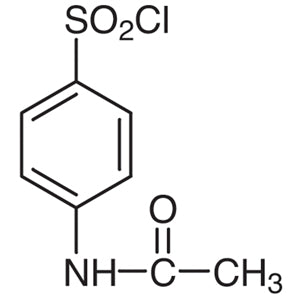
4-AcetamidobenzenesulfonylChloride TCI A0074
Regular price Rp 2.227.050,00Regular price