2-Nitrobenzenesulfonyl Chloride is a versatile chemical compound widely used in organic synthesis within laboratory settings. As a key reagent, it plays a crucial role in various chemical reactions, particularly in substitution and activation processes. Its ability to interact with amines and hydroxyl groups makes it an essential building block for the synthesis of complex organic molecules. This compound is commonly utilized in the development of pharmaceuticals, industrial chemicals, and other organic compounds due to its reactivity and functional versatility.
The chemical properties of 2-Nitrobenzenesulfonyl Chloride, including its high reactivity and stability under controlled conditions, make it a preferred choice for precise chemical applications. Its reactivity allows it to participate effectively in nucleophilic substitution and activation reactions, which are fundamental in organic chemistry. The compound's stability ensures that it remains effective during storage and use, contributing to its reliability in laboratory environments. These characteristics make it a valuable tool for researchers seeking to achieve high precision in their chemical processes.
In Indonesian laboratories, 2-Nitrobenzenesulfonyl Chloride is frequently used in organic chemistry research, both in academic and industrial settings. It is a common reagent in the synthesis of pharmaceutical compounds and other complex molecules. Its application in research and development activities highlights its importance in advancing chemical innovation within the region. The compound's reliability and effectiveness make it a staple in many laboratory workflows.
- Organic synthesis is a primary application where this compound is used to activate functional groups and facilitate substitution reactions, making it ideal for creating complex molecular structures.
- Pharmaceutical research benefits from its reactivity with amines, enabling the synthesis of drug molecules and other bioactive compounds with high specificity.
- Industrial chemical production utilizes this reagent for the creation of specialty chemicals and intermediates that require precise chemical transformations.
- Analytical chemistry applications rely on its stability and reactivity to support the development of new analytical methods and reagents.
- Academic research in chemistry laboratories uses it as a fundamental building block for teaching and experimental studies in organic chemistry.
| Brand | TCI |
|---|---|
| CAS number | 1694-92-4 |
| Molecular formula | — |
| Purity | — |
| Category | Chemistry > Building Blocks > Non-Heterocyclic Building Blocks |
| Pack sizes | Available in various quantities as per supplier specifications |
| Physical form | Solid, typically in crystalline form |
| Storage | Store in a cool, dry place away from moisture and direct sunlight |
This compound should be stored in a cool, dry environment to maintain its chemical stability and prevent degradation. It is recommended to use airtight containers to protect it from moisture and air exposure. Due to its reactivity, it should be handled with care, using appropriate personal protective equipment such as gloves and safety goggles. Avoid direct contact with skin and eyes, and ensure proper ventilation in the workspace. Storage should be in a location that is inaccessible to children and unauthorized personnel. Regular monitoring of storage conditions is advised to ensure the compound remains in optimal condition for use in laboratory applications.
—
Produk Terkait
-
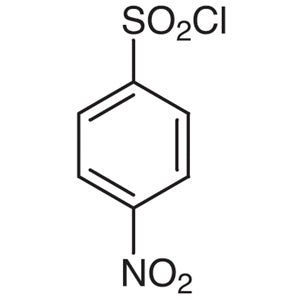
4-NitrobenzenesulfonylChloride TCI N0144
Regular price From Rp 557.550,00Regular price -
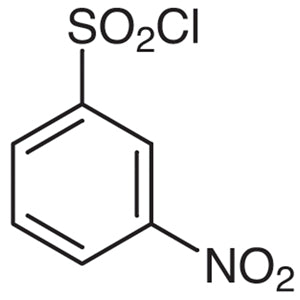
3-NitrobenzenesulfonylChloride TCI N0143
Regular price From Rp 2.227.050,00Regular price -
2-Methoxy-4-nitrobenzenesulfonylChloride TCI M2403
Regular price From Rp 1.008.000,00Regular price -
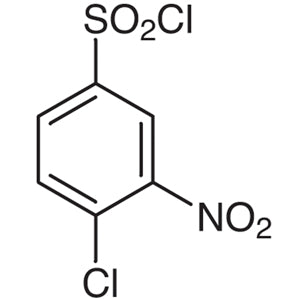
4-Chloro-3-nitrobenzenesulfonylChloride TCI C1887
Regular price From Rp 717.150,00Regular price -
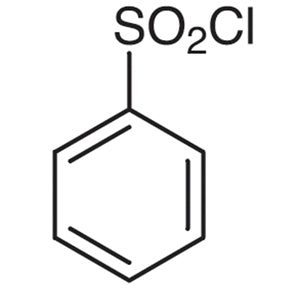
BenzenesulfonylChloride TCI B0036
Regular price From Rp 452.550,00Regular price -
2,4,6-TriisopropylbenzenesulfonylChloride TCI T0459
Regular price From Rp 2.227.050,00Regular price -
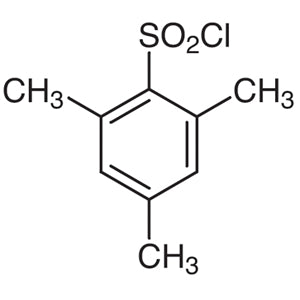
2-MesitylenesulfonylChloride TCI M0071
Regular price From Rp 1.510.950,00Regular price -
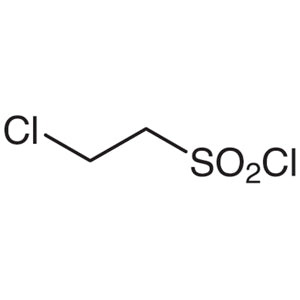
2-ChloroethanesulfonylChloride TCI C1142
Regular price From Rp 1.193.850,00Regular price